 Barley Hair Transplant HospitalBarley Hair Hospital
Barley Hair Transplant HospitalBarley Hair Hospital
Barley Hair Transplant HospitalBarley Hair Hospital
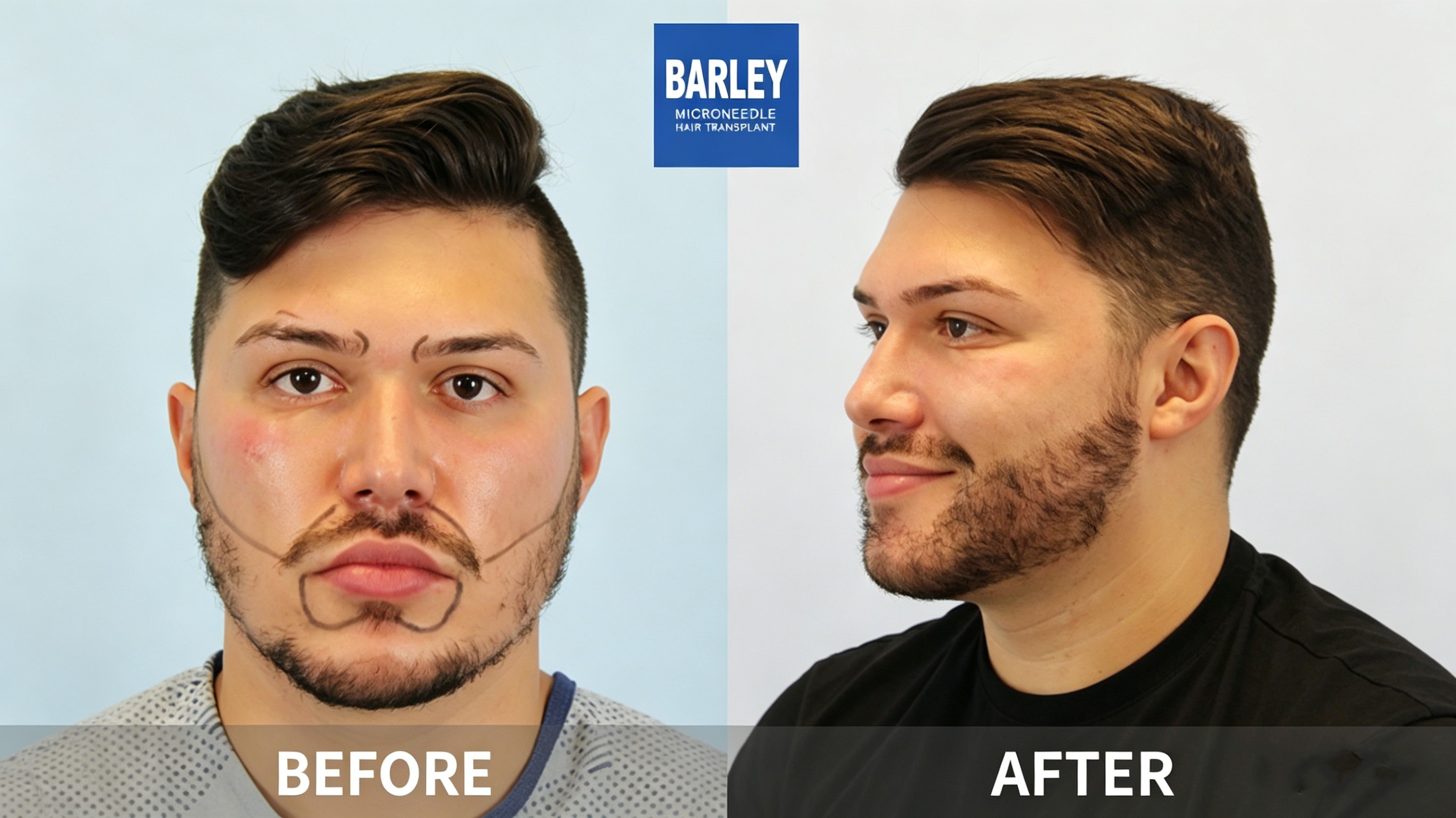
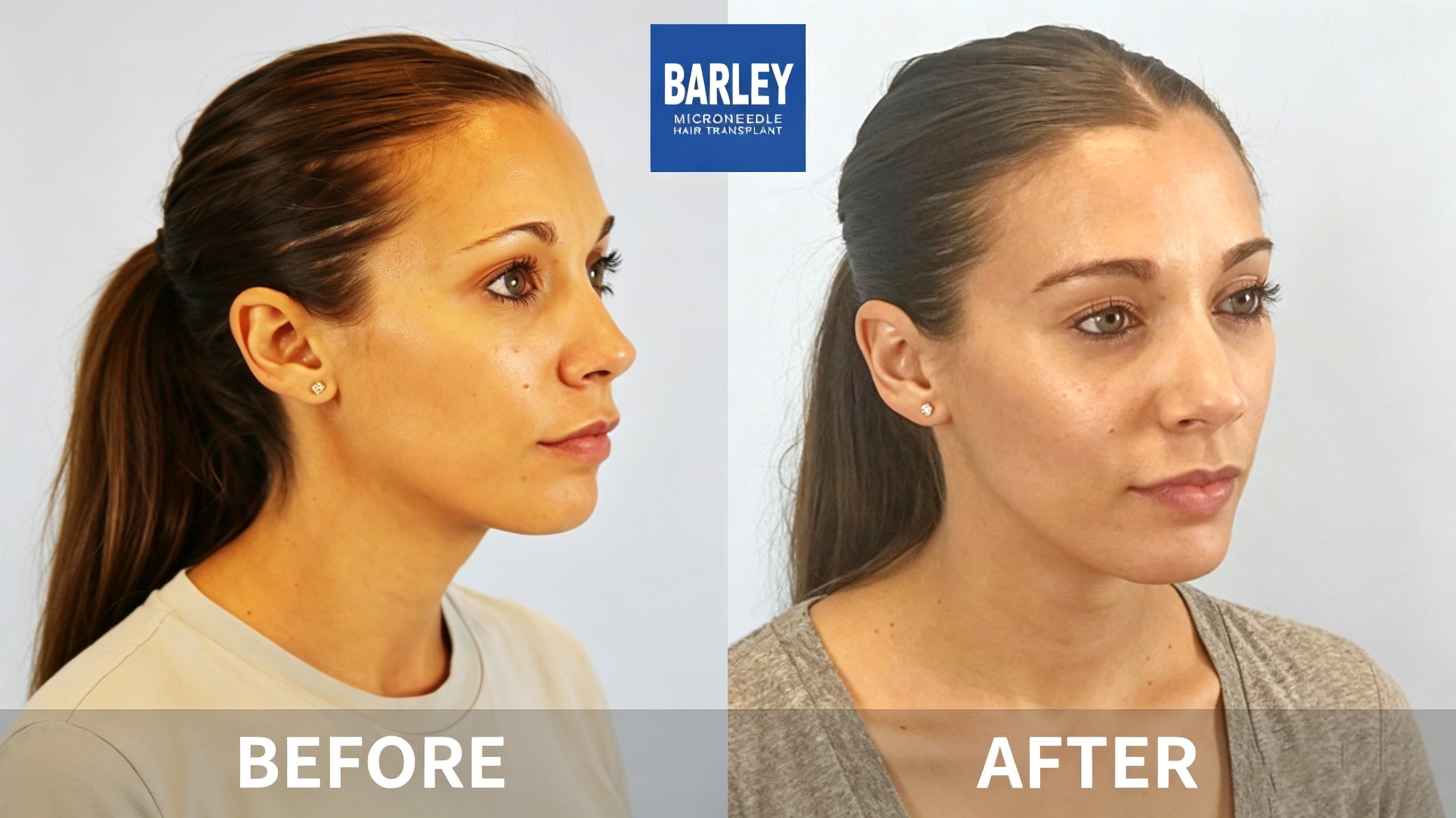
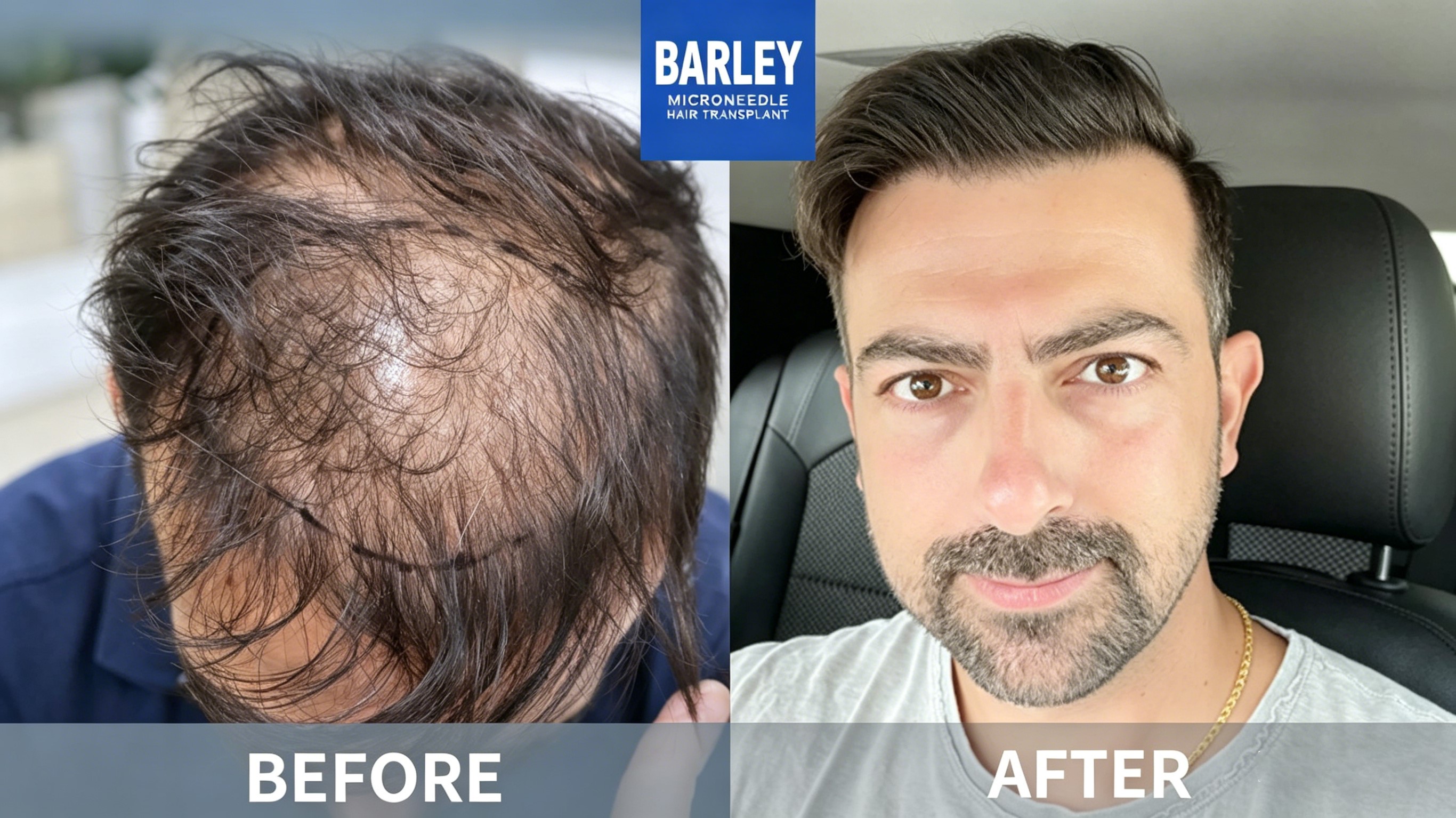
Female pattern hair loss, also known as female androgenetic alopecia, affects approximately 40% of women by age 50 and can begin as early as the teenage years. Unlike men, who typically experience recession at the hairline and temples, women with FPHL usually present with diffuse thinning across the top of the scalp while the frontal hairline is generally preserved. The condition is characterized by progressive miniaturization of hair follicles, resulting in a widening of the center part and an overall reduction in hair density. This often manifests as seeing more scalp through the hair, a ponytail that feels thinner, or more hair left on the hairbrush and in the shower drain. The emotional and psychological impact of female hair loss can be profound, affecting self-esteem, social confidence, and overall quality of life. The good news is that female hair loss is treatable, and early intervention produces the best outcomes.
The Ludwig scale is the most widely used classification system for assessing female pattern hair loss. Unlike the Norwood scale for men, the Ludwig scale focuses on the degree of diffuse thinning across the crown and top of the scalp. It describes three stages of progressive hair loss:
Unlike male hair loss, which is primarily driven by DHT sensitivity, female hair loss often has multiple contributing factors that must be identified and addressed for effective treatment:
Hormonal Changes: Fluctuations in estrogen and progesterone levels during menopause, pregnancy, postpartum, and discontinuation of oral contraceptives can trigger temporary or chronic hair shedding. Polycystic ovary syndrome (PCOS) is another common hormonal condition that can cause hair thinning in women due to elevated androgen levels.
Stress and Telogen Effluvium: Physical or emotional stress — including illness, surgery, rapid weight loss, or psychological trauma — can push a large number of hair follicles into the resting (telogen) phase simultaneously, resulting in dramatic shedding 2-4 months after the triggering event. This type of hair loss is usually temporary and reversible once the underlying stressor is resolved.
Traction Alopecia: Caused by hairstyles that place constant tension on the hair follicles, such as tight ponytails, braids, extensions, and weaves. Over time, this persistent pulling damages follicles and can lead to permanent hair loss along the hairline if not addressed early. Prevention is straightforward: avoid tight hairstyles and give hair regular breaks from tension.
Nutritional Deficiencies: Low levels of iron (ferritin), vitamin D, zinc, biotin, and protein can impair the body's ability to produce healthy hair. A comprehensive blood panel is an important part of the diagnostic workup for female hair loss. Many women see significant improvement in hair quality after correcting identified deficiencies through diet and supplementation.
The only FDA-approved medication for female pattern hair loss, Minoxidil 2% or 5% topical solution applied once or twice daily stimulates follicles and improves hair density. It is safe for long-term use in women and works independently of hormonal pathways, making it suitable regardless of the underlying cause. Results typically appear after 4-6 months of consistent use, and continued application is needed to maintain benefits.
Platelet-Rich Plasma injections use growth factors from your own blood to stimulate follicle activity and improve scalp health. PRP is a popular choice for women because it is natural, has no hormonal side effects, and can be combined with other treatments. A series of 3-4 sessions spaced one month apart typically produces noticeable improvements in hair density and quality.
Women with stable hair loss and adequate donor density can be excellent candidates for FUE hair transplantation. Unlike men, women often benefit from transplanting grafts into areas of diffuse thinning rather than completely bald areas. This requires specialized surgical skill to avoid damaging existing follicles. When performed by experienced surgeons, female hair transplants can produce natural, Remarkable results.
Understand your hair loss and find the right solution
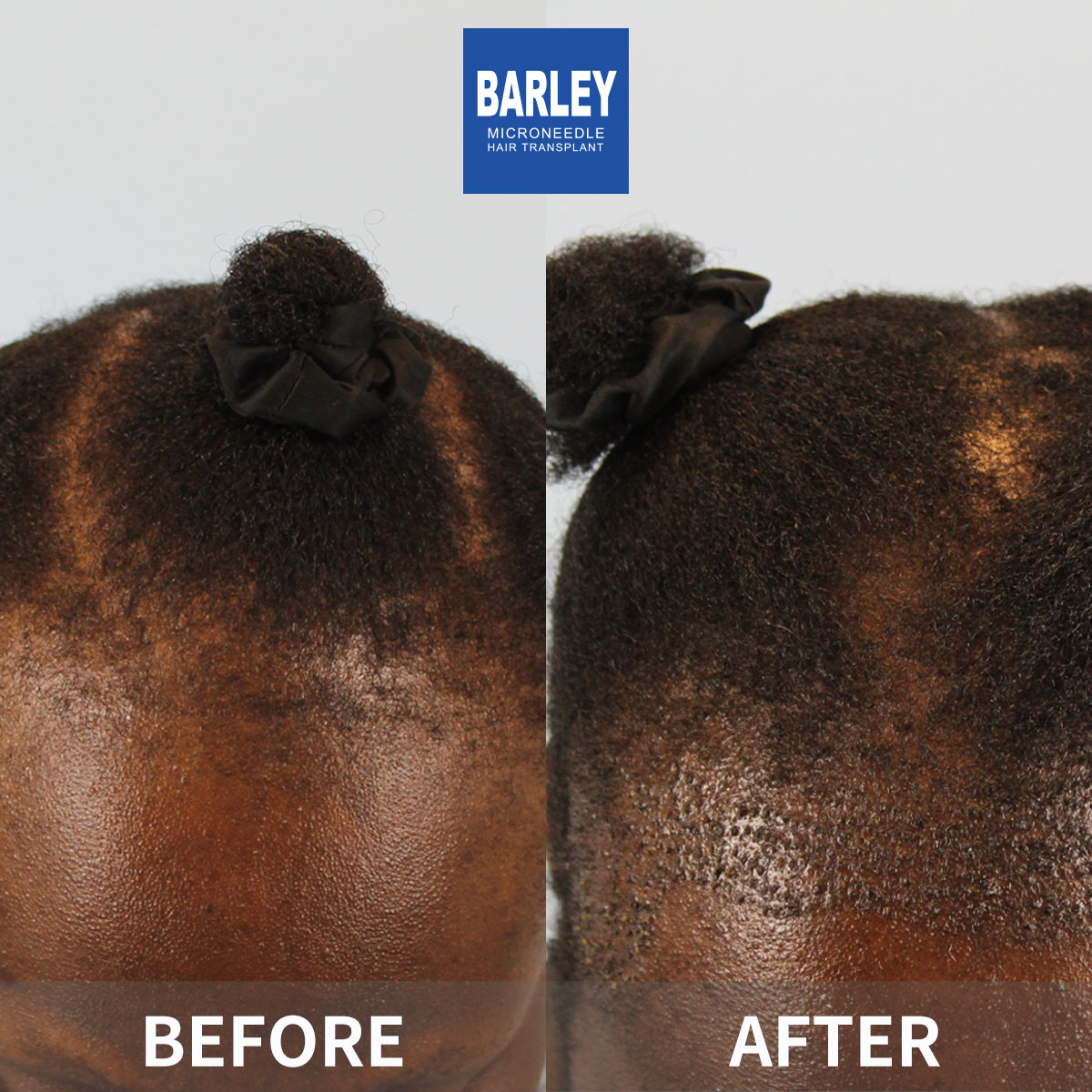
Hair loss affects about 40% of women by age 50 and up to 50% by age 70. Female hair loss presents differently than in men, often as diffuse thinning rather than bald patches. The good news is that with early identification and proper treatment, women can effectively manage hair loss and maintain beautiful, healthy hair. This guide will help you understand your specific situation and find solutions that work.
Identify what type of hair loss you're experiencing
Classify your hair loss severity
Understand why you're losing hair
Practical solutions for every stage
Take these steps to address your hair loss
Determine your hair loss using Ludwig scale
Check for nutrient deficiencies & hormones
Begin with 2% topical application
Correct any identified deficiencies
Explore surgical options if needed
Track results and maintain health
Why our women's hair loss program delivers natural, beautiful results
Unlike many clinics, we understand female hair loss is different. Our assessment includes thorough medical workup, hormone evaluation, and understanding your unique goals and concerns.
Women's goals often differ — maintaining femininity, a natural hairline, and subtle density. Our physicians specialize in creating soft, natural hairlines and artistic placement for beautiful, undetectable results.
We understand female hair loss can be emotionally challenging. Our English-speaking female staff provides supportive, empathetic care throughout your journey, from consultation to post-procedure follow-up.
Industry leader with proven results
Pioneer and leader in microneedle hair transplant technology since 2006
Across major cities in China, all with the same high standards
Innovative microneedle and implant pen technology for superior results
Trusted by patients from around the globe for Remarkable results
Full English support for international patients throughout treatment
State-of-the-art facilities and strict safety protocols for your peace of mind
See the amazing transformations our patients have achieved
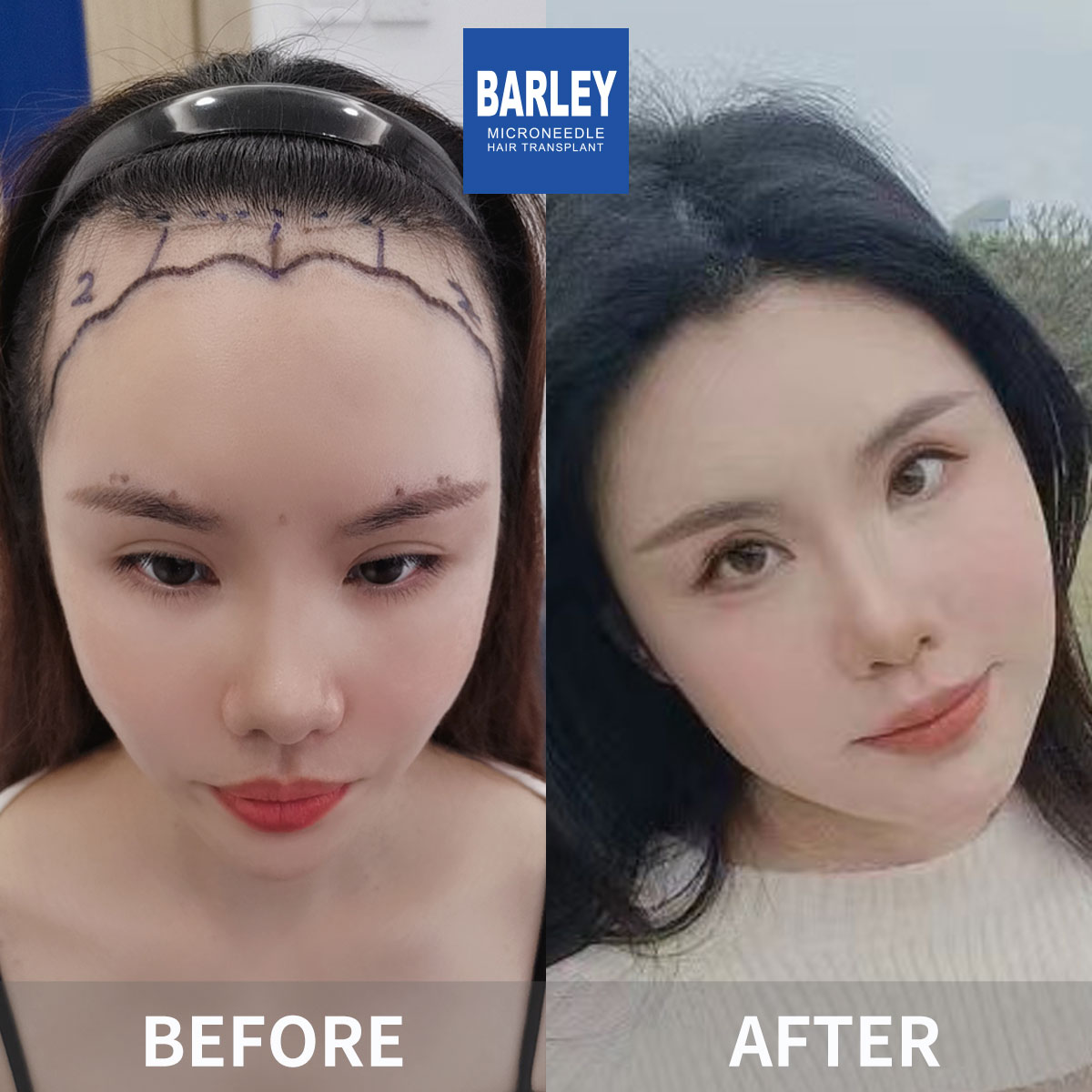
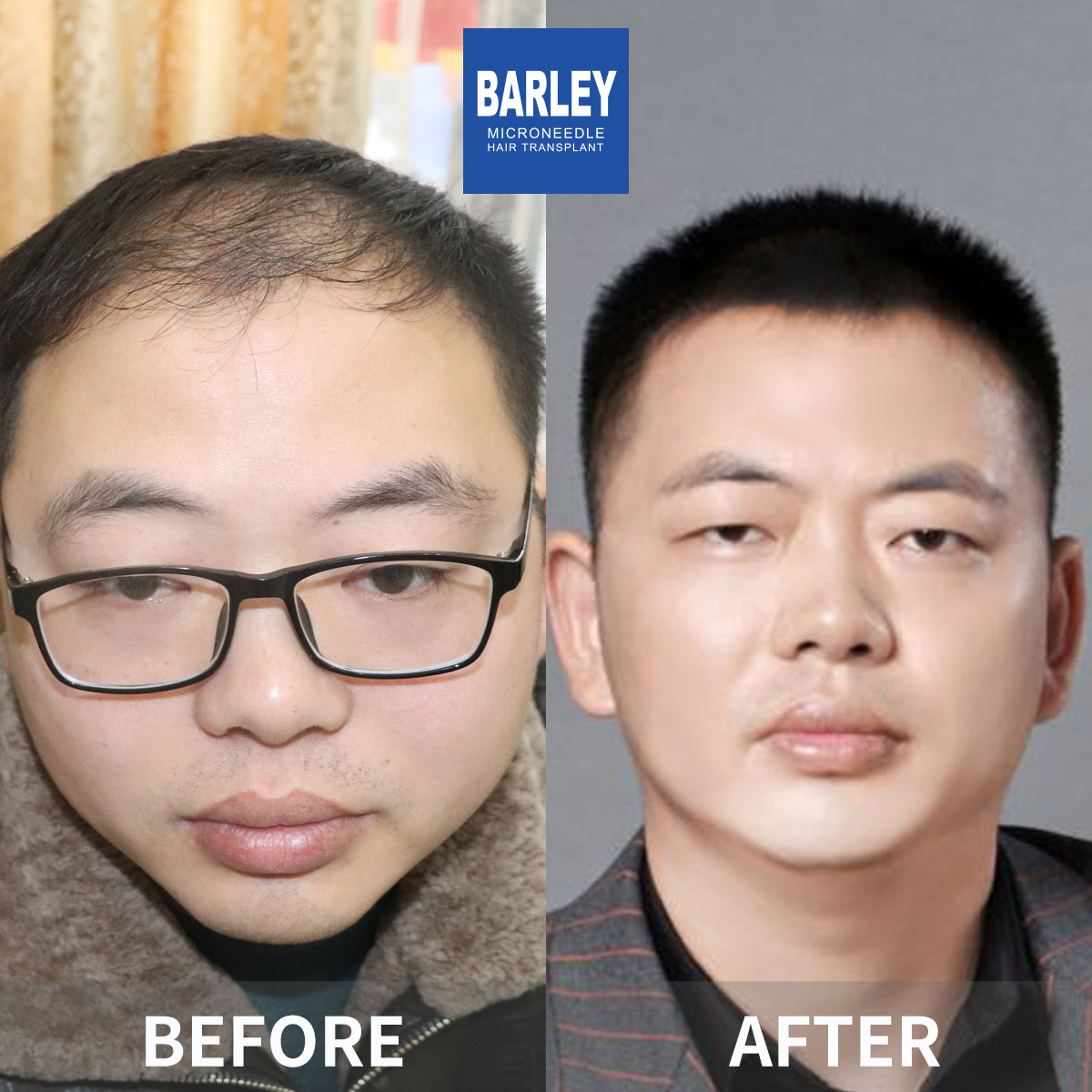
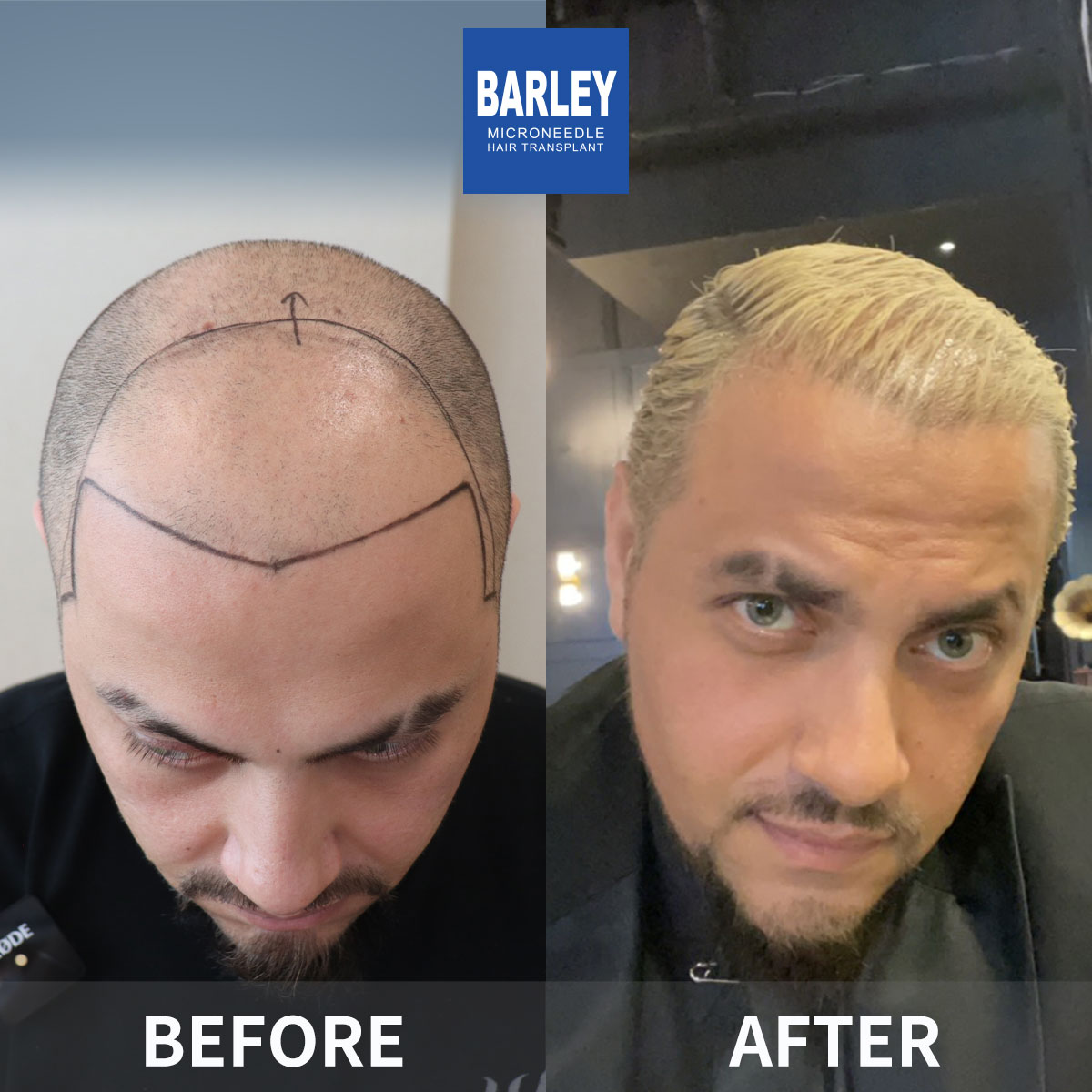
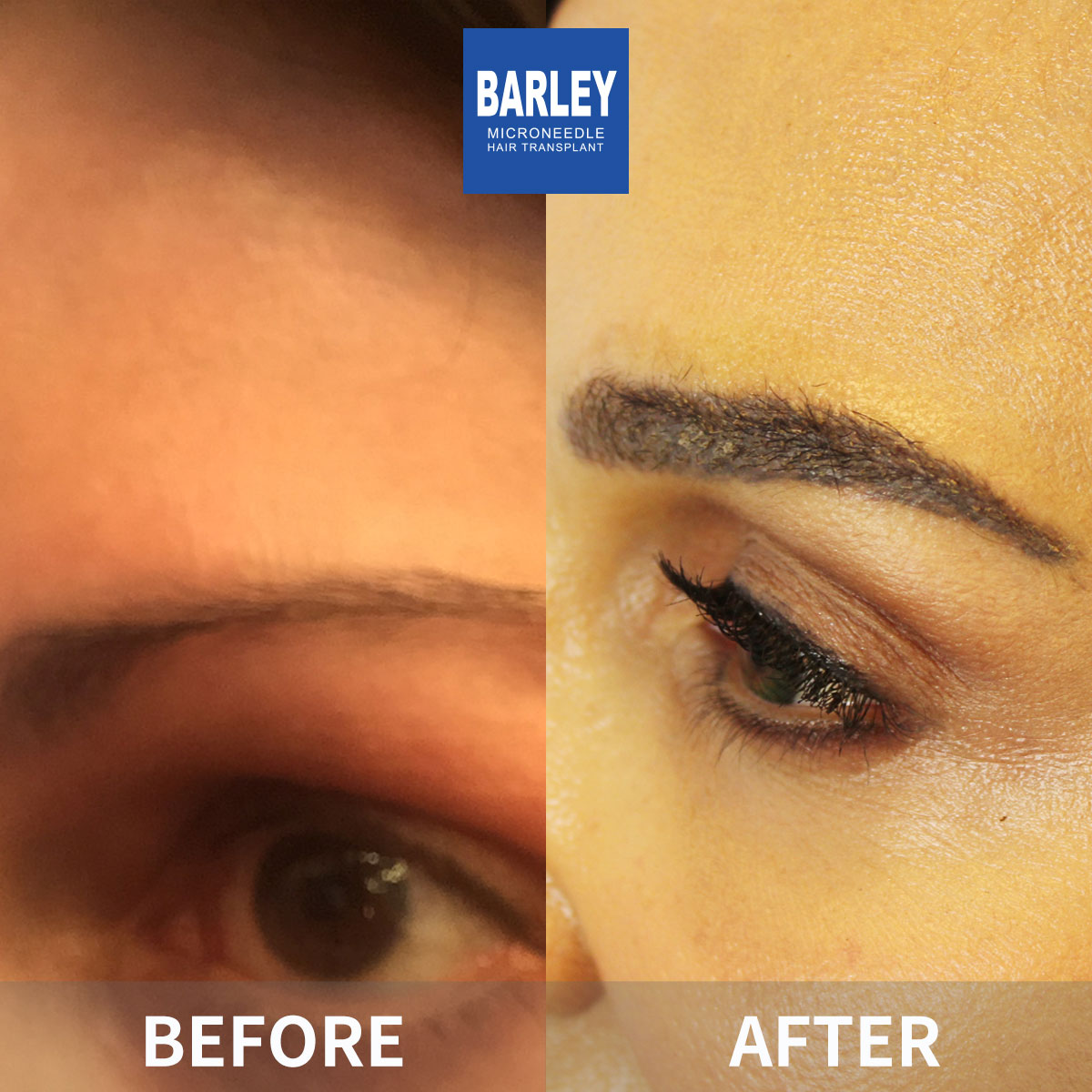
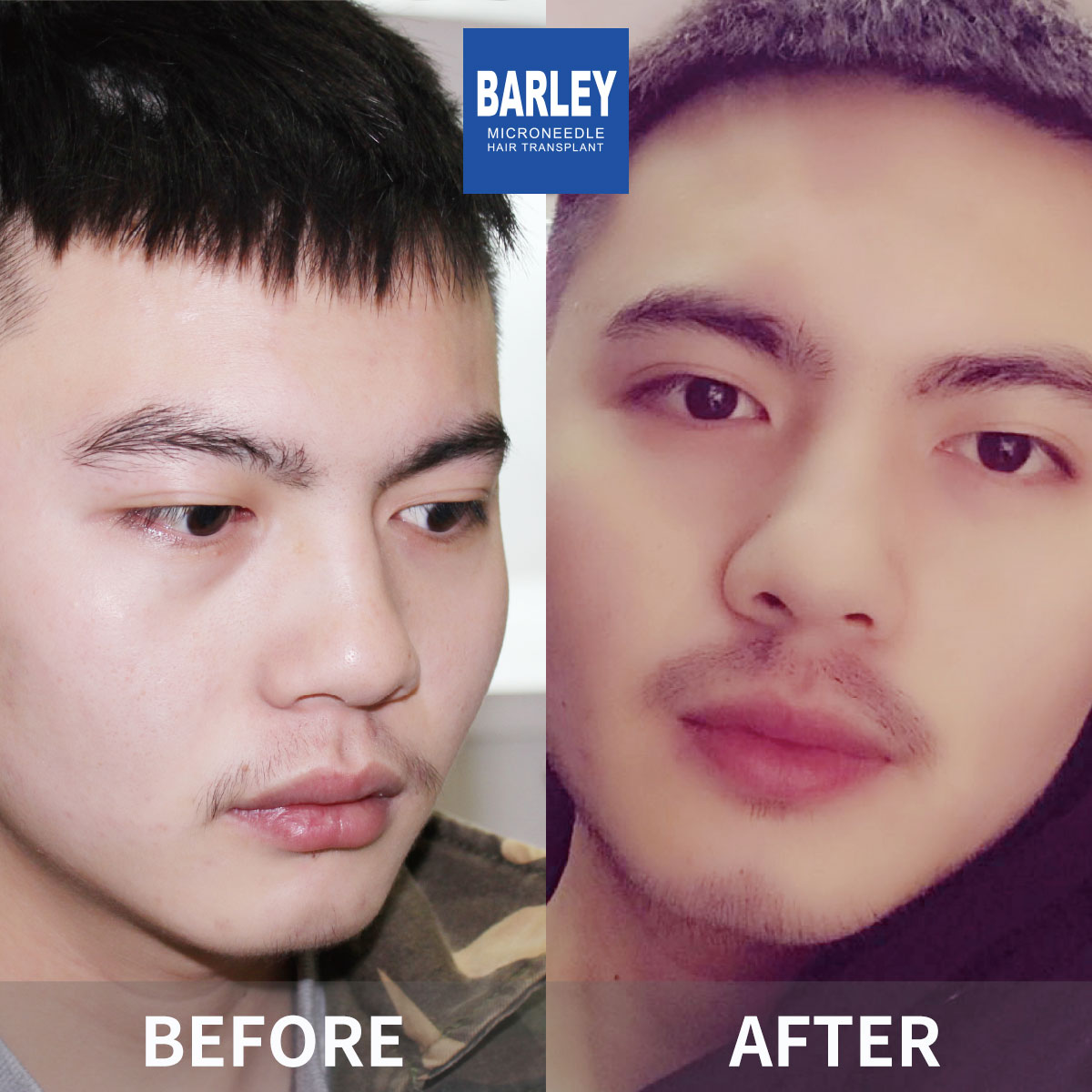
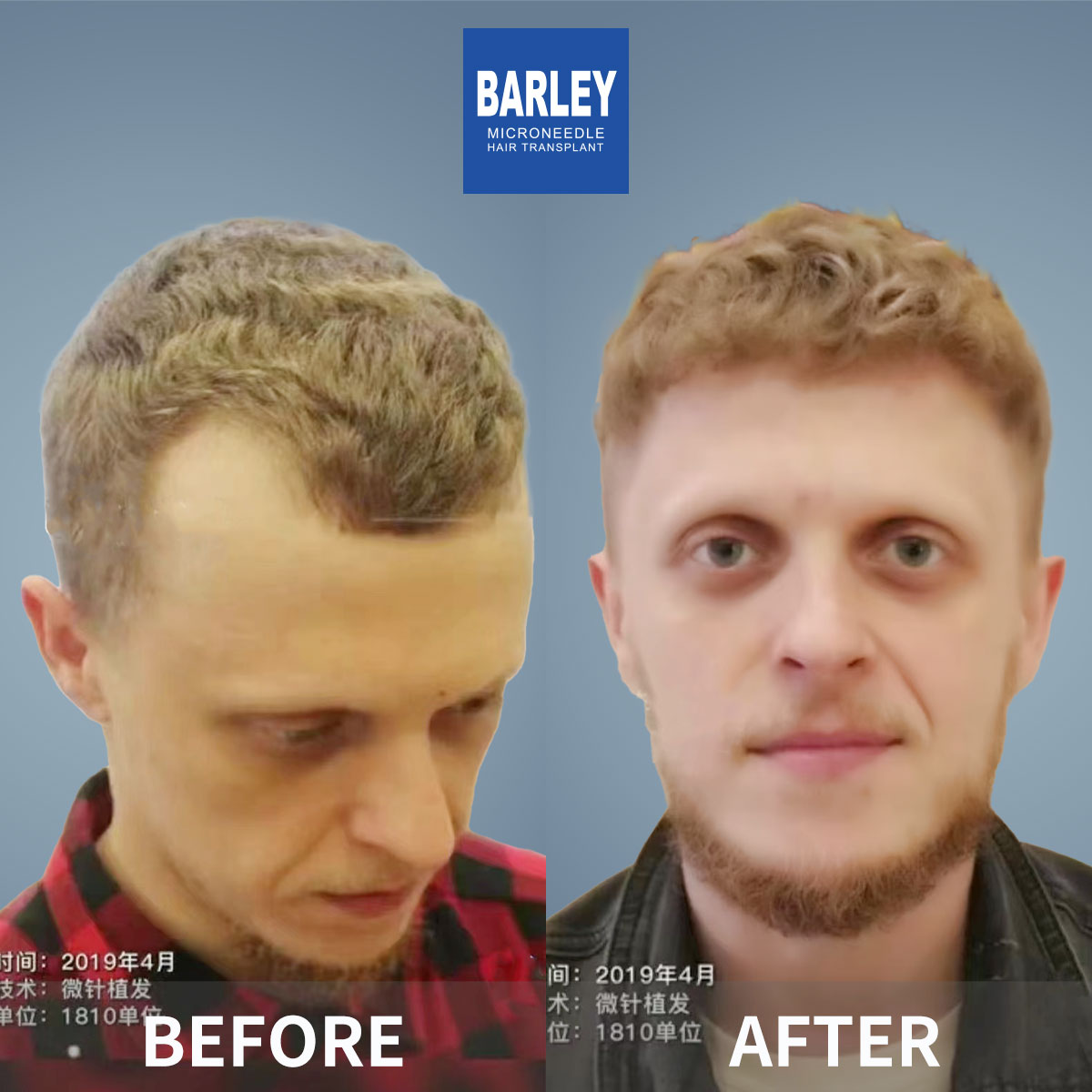
Moments captured with our satisfied patients
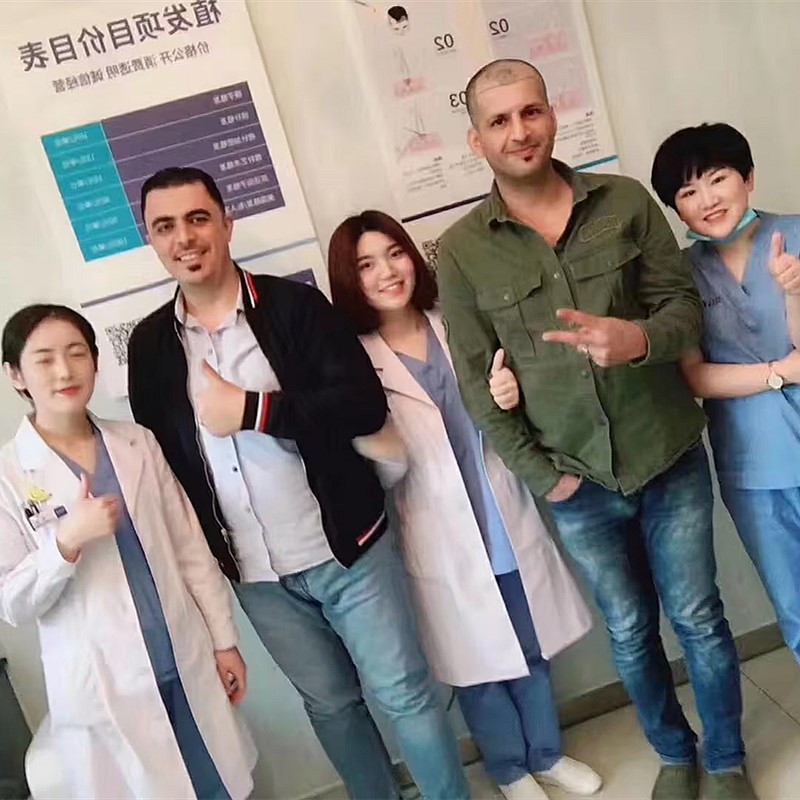
Guide helped me so much
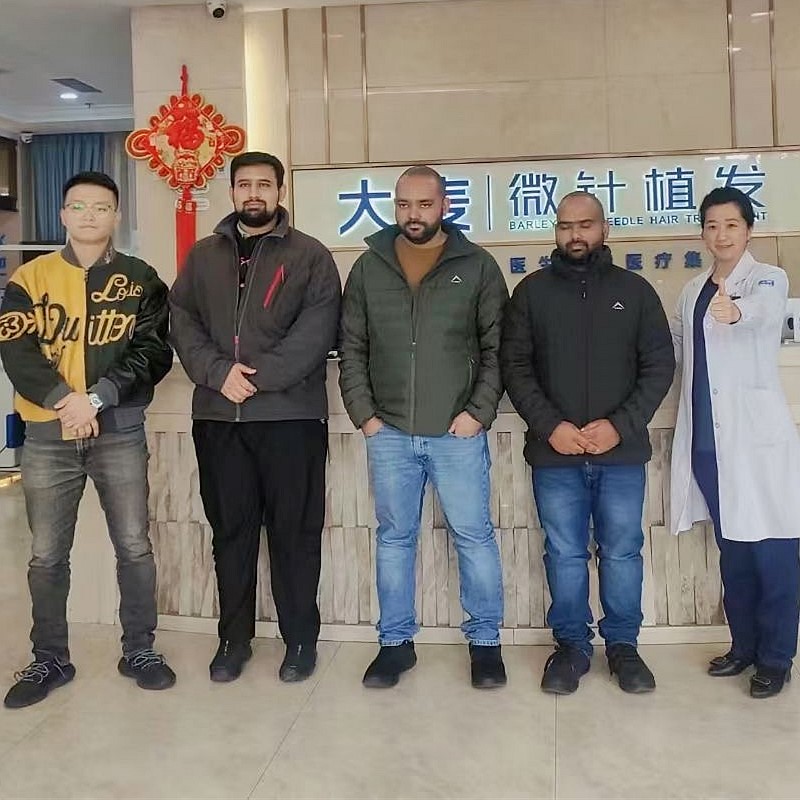
Much better now
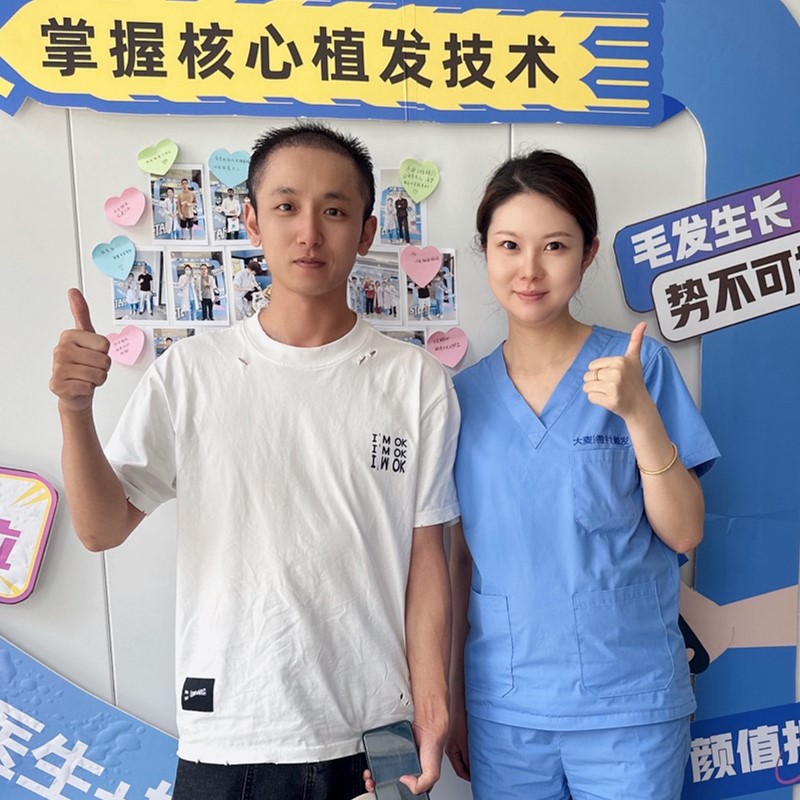
Feeling wonderful

Right decision made
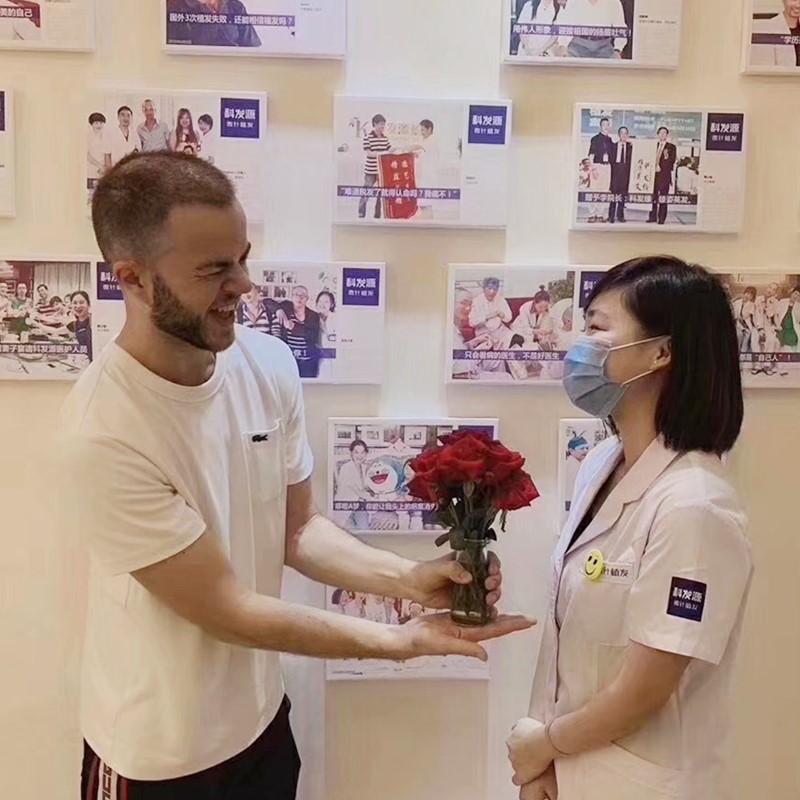
Improved hair health
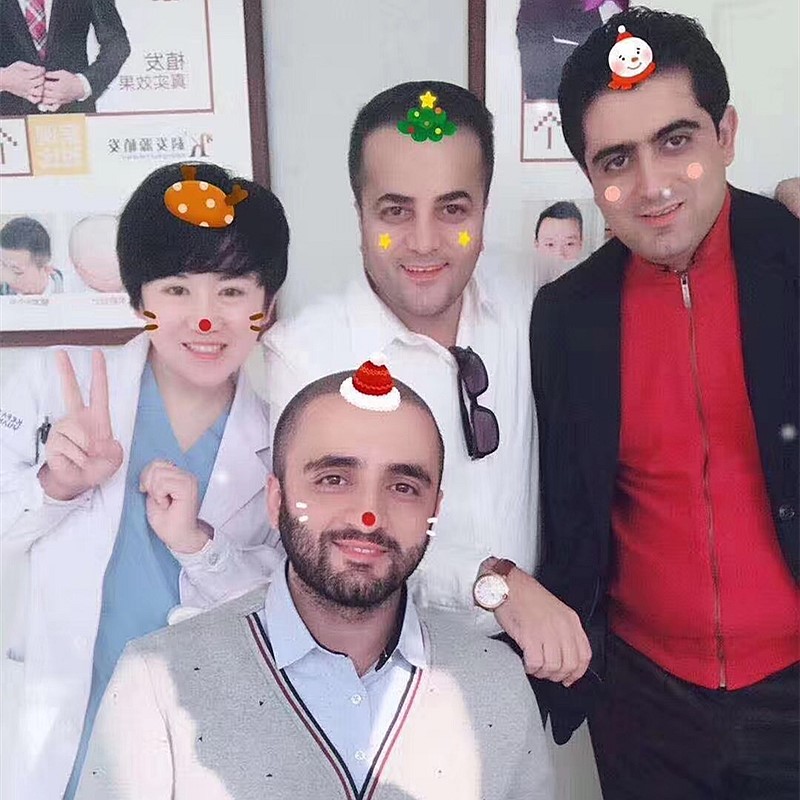
Very pleased with result

Hair is looking great
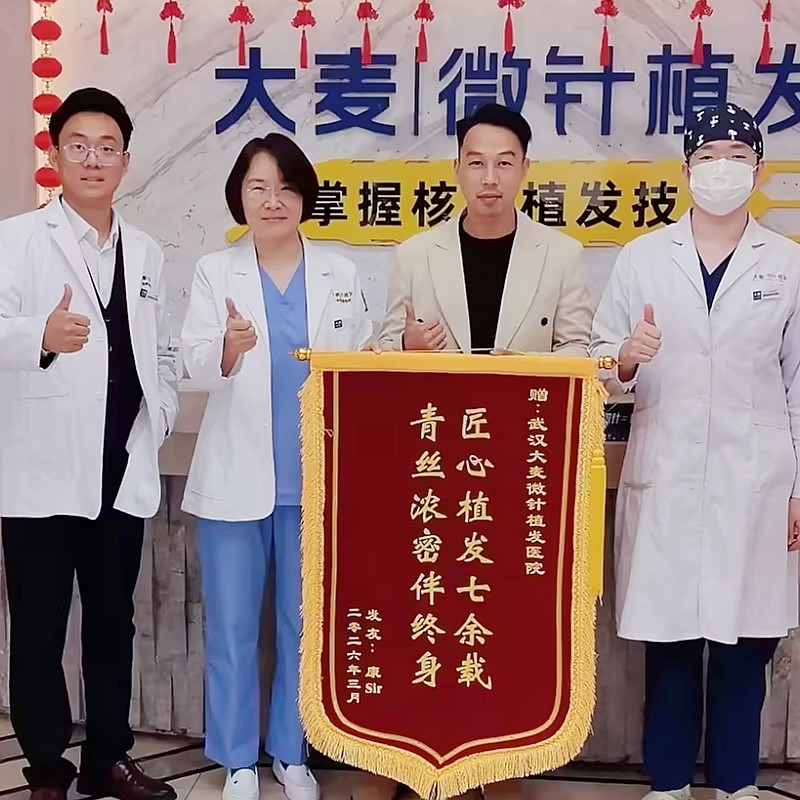
Feeling confident now
Hear from our satisfied patients around the world
"As a woman experiencing hair thinning, I felt incredibly isolated. Most resources focus on male pattern baldness. This guide explained the Ludwig classification and helped me understand that my diffuse thinning along the crown is a recognised, treatable condition. The validation alone was healing."
"Postpartum hair loss hit me hard at six months after giving birth. I thought it was permanent and felt devastated. The guide explained telogen effluvium and reassured me that hormonal hair shedding typically resolves. The Barley team confirmed this and provided iron and biotin supplementation. By month eight postpartum, my hair density had fully recovered."
"The guide's section on stress-related hair loss resonated deeply. I had been experiencing chronic stress from work and noticed my ponytail getting thinner every month. Understanding the connection between cortisol levels and hair follicle health motivated me to address both the stress and the hair loss simultaneously. The holistic approach at Barley was exactly what I needed."
"I was embarrassed to discuss my hair loss with my GP. Reading this guide gave me the vocabulary and confidence to finally seek professional help. The dermatologist at Barley was incredibly understanding and ran comprehensive blood tests that revealed an underlying thyroid condition. Treating the thyroid issue, combined with topical minoxidil, has given me excellent results."
"The nutritional deficiencies section was particularly enlightening. I had been following a restrictive diet for years and did not realise my hair loss was linked to low iron and vitamin B12 levels. The guide connected the dots. After blood tests at Barley confirmed the deficiencies, supplementation and dietary changes reversed my hair thinning within six months."
"Going through menopause at 52, I experienced significant hair thinning that affected my confidence enormously. The guide explained how declining estrogen levels during menopause can cause female pattern hair loss. Understanding the biological cause removed the guilt and self-blame. The treatment plan at Barley — including hormone-balancing therapy and PRP — has restored both my hair and my confidence."
Experience our modern and comfortable facilities

Our state-of-the-art facility
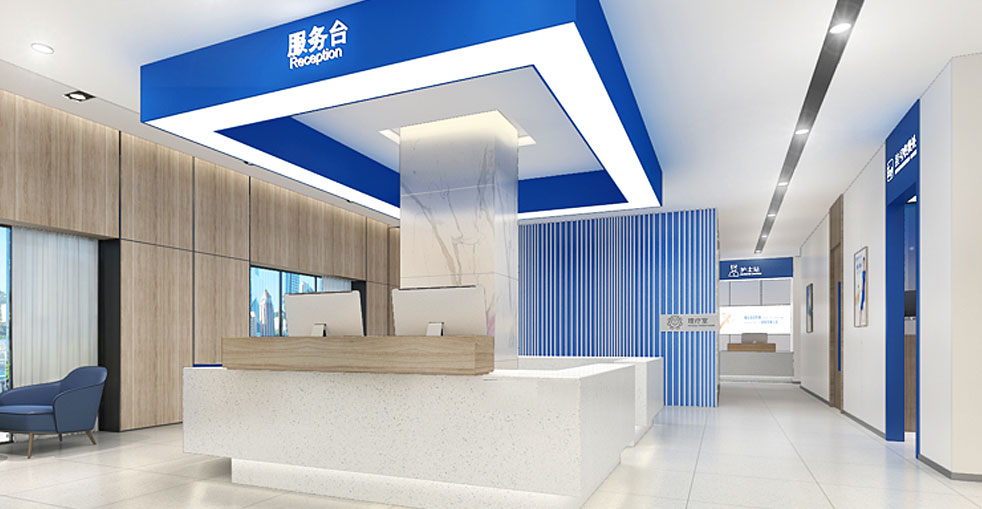
Relax in our premium lounge

Sterile and advanced

Private and professional

Comfortable post-op space

Welcoming entrance
Expert answers to the questions women ask most about hair thinning, causes, and treatment options
Contact us for a free consultation
15810155700
+86 13730143529
hairtransplant@qq.com