Know Every Step

Every Step Explained Clearly

Know exactly what will happen from your first call to your final results — no surprises

Get Your Free Quote
Expert Guidance

Expert Team Guiding You Throughout

From pre-operative preparation to post-operative aftercare — we are with you at every stage

Get Your Free Quote
International Patients

Seamless International Experience

Airport pickup, hotel arrangements, English-speaking coordinators — everything handled for you

Get Your Free Quote

The Complete Hair Transplant Journey

Undergoing a hair transplant is a significant decision, and understanding every step of the process helps reduce anxiety and set realistic expectations. At Barley Hospital, we guide you through each phase with complete transparency — from your very first consultation to your final results twelve to fifteen months later.

Whether you are travelling from overseas or coming from within China, our team ensures a smooth and well-organised experience. This guide walks you through every stage so you know precisely what to expect, how to prepare, and how to care for yourself during recovery.

Phase 1: Before the Procedure

Preparation is the foundation of successful results

Step 1: Initial Consultation

Everything begins with a thorough consultation — either online through photos and video call, or in person at one of our clinics. Your surgeon evaluates your scalp condition, donor area density, hair characteristics, and degree of hair loss. Using digital imaging, we simulate expected results so you can visualise your potential outcome. Together, you decide on the best technique (FUE or DHI), the number of grafts required, and a customised treatment plan with transparent pricing.

Step 2: Pre-Operative Preparation

Two weeks before surgery, you will receive detailed preparation instructions. Stop smoking and reduce alcohol intake, as both can slow down healing. One week before, discontinue blood-thinning medications including aspirin, ibuprofen, and vitamin E supplements. Three days before, avoid caffeine and alcohol. The day before surgery, get adequate rest, eat well, and wash your hair thoroughly.

Step 3: Travel and Arrival (International Patients)

For international patients, we handle airport pickup, hotel booking near the clinic, and provide a local English-speaking coordinator. On your arrival day, you will have a final in-person consultation, pre-operative blood tests if needed, and pre-surgery photographs taken from multiple angles.

Phase 2: Surgery Day

Morning: Preparation and Marking

Arrive at the clinic after a light breakfast. The surgical team reviews your plan, answers any last-minute questions, and the surgeon marks your new hairline on your scalp using a surgical pen. You approve the hairline design before any work begins. Local anaesthesia is then carefully administered to both the donor area (back of the head) and the recipient area (where grafts will be placed). The anaesthesia involves a few brief pinching sensations lasting about 30–60 seconds. Once the areas are fully numb, you will feel no pain.

Midday: Graft Extraction

Using precision micro-punch tools, the surgical team carefully extracts individual follicular units from the donor area. Each graft is extracted at the correct angle and depth to preserve the follicle structure. The extracted grafts are immediately placed in a specialised preservation solution and sorted by a team of experienced technicians under microscopes. This phase typically takes 2–4 hours depending on the graft count.

Afternoon: Recipient Site Creation and Implantation

Your surgeon creates thousands of tiny recipient channels at precise angles and directions to mimic natural hair growth patterns. The grafts are then carefully implanted into these channels using forceps or Choi implant pens (for DHI technique). The implantation requires exceptional precision — each graft must be placed at the correct angle, depth, and direction to achieve a completely natural appearance. The full procedure takes 4–8 hours total.

You are welcome to listen to music, watch movies on a tablet, or even nap during the procedure. The team takes regular breaks for lunch and refreshments, and you are encouraged to do the same.

Phase 3: Immediate Recovery

Day of Surgery

Head home with detailed aftercare instructions. Sleep elevated at 45 degrees. Minor oozing of clear fluid is normal. Take prescribed medications as directed. Do not touch or scratch the transplanted area.

Days 1-3

Forehead swelling may peak. Begin gentle saline spray as instructed. Some tightness in the donor area is normal. Continue medications. Avoid bending over or lifting heavy objects. Light walking encouraged.

Days 4-7

Begin gentle washing with prescribed shampoo. Small scabs begin forming. Swelling subsides. Most patients return to desk work. Avoid direct sun exposure and strenuous activity.

Phase 4: Healing and Growth

The patience phase — results are developing beneath the surface

Weeks 2-4: Scabs Fall Off

By the end of the second week, most scabs have naturally fallen off. The transplanted area may appear red and slightly pink. This redness gradually fades over the following weeks. The transplanted hairs are firmly rooted at this point.

Weeks 2-4: The Shock Loss Phase

The transplanted hairs begin to shed. This is called shock loss and it is completely normal and expected. Do not worry — the hair follicles are alive and well beneath the scalp, simply entering a resting phase before producing new growth. Many patients find this the most challenging psychological stage, but understanding that it is a natural part of the process helps immensely.

Months 2-3: Resting Phase

The scalp appears mostly normal. The follicles are resting beneath the skin, preparing for new growth. Some patients notice slight redness that continues to fade. You can resume most normal activities including exercise.

Months 3-4: First Signs of Growth

Exciting! New hair begins to emerge. The initial growth may appear thin and light in colour. These are the early signs that your follicles have successfully taken root and are producing new hair. Growth is typically sparse at this stage but gradually increases.

Months 5-6: Visible Thickening

The new hair becomes noticeably thicker and darker. You and those around you will begin to see real improvement. The density increases significantly during this period. Many patients feel their confidence returning at this stage.

Months 7-9: Significant Results

This is when the transformation becomes truly visible. The hair density increases substantially, and the new hair blends seamlessly with your existing hair. The hairline takes on its natural, mature appearance. Most patients are very pleased with the progress at this point.

Months 10-12: Near-Final Results

The results are approaching their final state. Hair thickness, density, and texture continue to mature. The transplanted area looks completely natural. You can style, cut, and treat your new hair exactly like your existing hair.

Months 12-15: Full Mature Results

Your hair transplant has reached its final, mature state. The results are permanent — the transplanted hair will continue growing for the rest of your life, just like the hair in your donor area. You now have a full, natural-looking head of hair.

Complete Guide

Hair Transplant Process

From first consultation to final results — every step explained
Hair Transplant Process

Your Complete Journey

From the moment you first reach out to us to the day you see your final results, every step is carefully planned and guided by our experienced team. We believe that informed patients achieve the best outcomes, which is why we provide complete transparency at every stage.

  • Free online consultation
  • Detailed preparation guidance
  • Comfortable procedure experience
  • Comprehensive aftercare programme
  • Ongoing progress monitoring

Before Surgery

  • Free online consultation
  • Personalised treatment plan
  • Pre-op preparation checklist
  • Travel arrangements handled
  • Airport pickup included
  • Hotel booking assistance

Surgery Day

  • Hairline design with your input
  • Comfortable local anaesthesia
  • Precision graft extraction
  • Expert implantation technique
  • Entertainment during procedure
  • Post-op care instructions

Recovery & Growth

  • Structured aftercare programme
  • Regular progress check-ins
  • 24/7 support available
  • Follow-up appointments
  • Final results at 12-15 months
  • Lifetime support

International Patient Experience

We handle everything so you can focus on your results

Arrival & Setup

  • Airport pickup by our team
  • Hotel check-in assistance
  • City orientation and tips
  • Local SIM card if needed

Typical Schedule

  • Day 1: Arrival and consultation
  • Day 2: Surgery (4-8 hours)
  • Day 3-4: Initial recovery
  • Day 5: Follow-up check-up

While in China

  • English-speaking coordinator
  • Local restaurant recommendations
  • Tourist attraction suggestions
  • Transportation assistance

Your Journey at a Glance

The complete timeline from start to finish

1

Free Consultation

Online or in-person assessment

2

Preparation

Follow pre-op guidelines for 2 weeks

3

Travel to China

We handle pickup, hotel, coordination

4

Surgery Day

Comfortable 4-8 hour procedure

5

Initial Recovery

3-5 days before returning to work

6

Growth Phase

New hair at 3-4 months, full results at 12-15

Why Choose Barley

Industry leader with proven results

18+ Years Experience

Pioneer and leader in microneedle hair transplant technology since 2006

30+ Direct-operated clinics

Across major cities in China, all with the same high standards

10+ Patented Technologies

Innovative microneedle and implant pen technology for superior results

100K+ Successful Procedures

Trusted by patients from around the globe for remarkable results

English-speaking staff

Full English support for international patients throughout treatment

Safety First

State-of-the-art facilities and strict safety protocols for your peace of mind

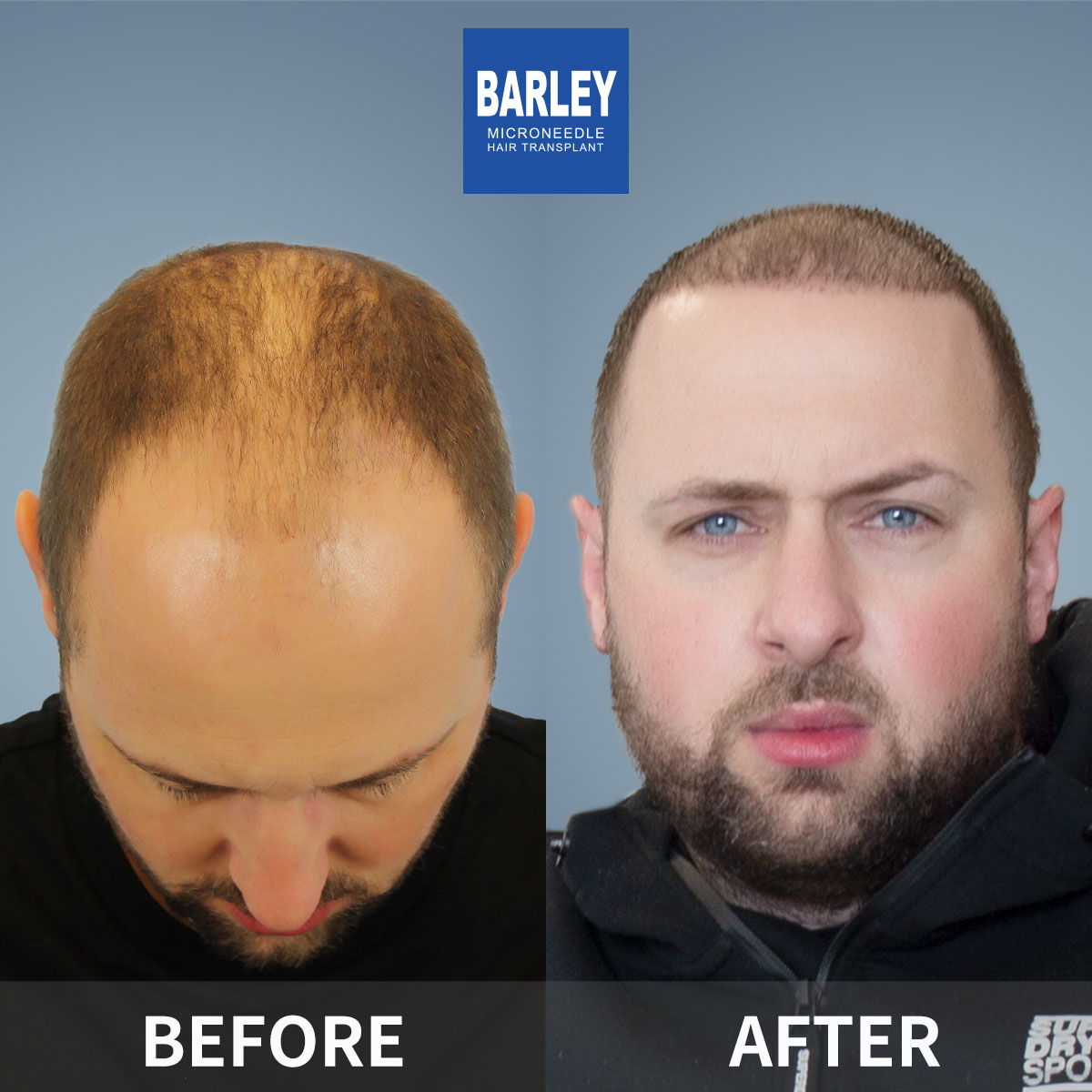
Real Results

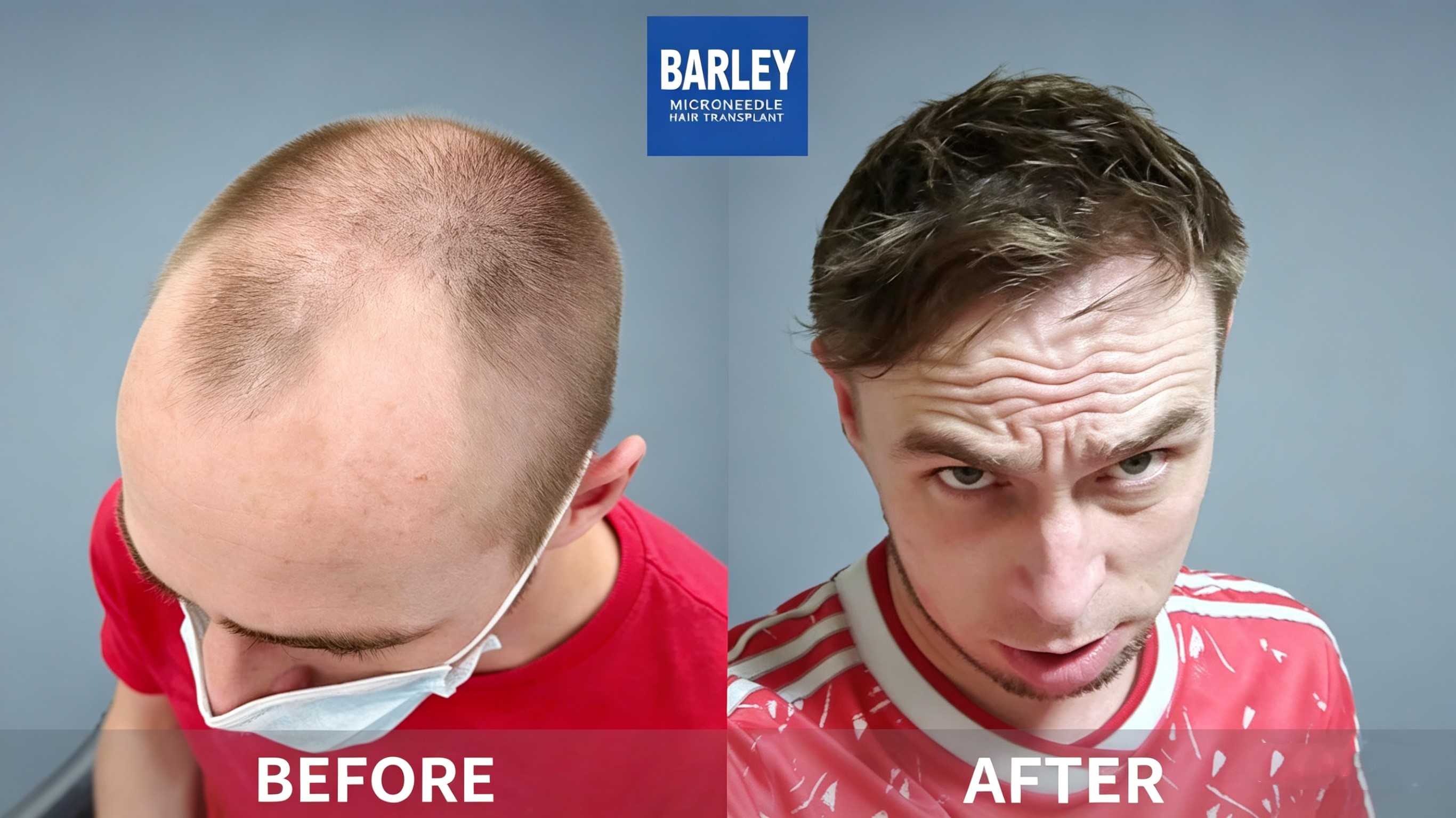
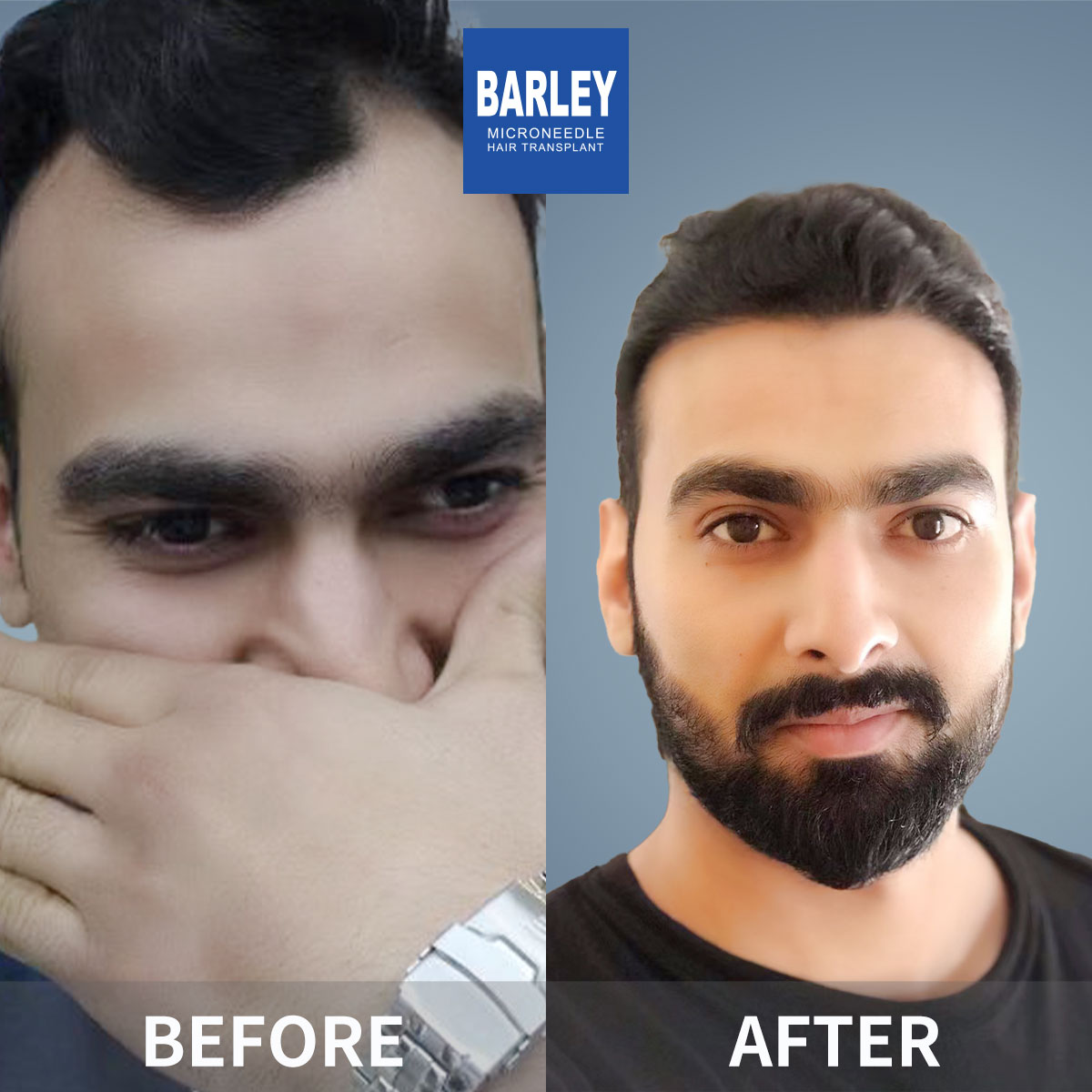
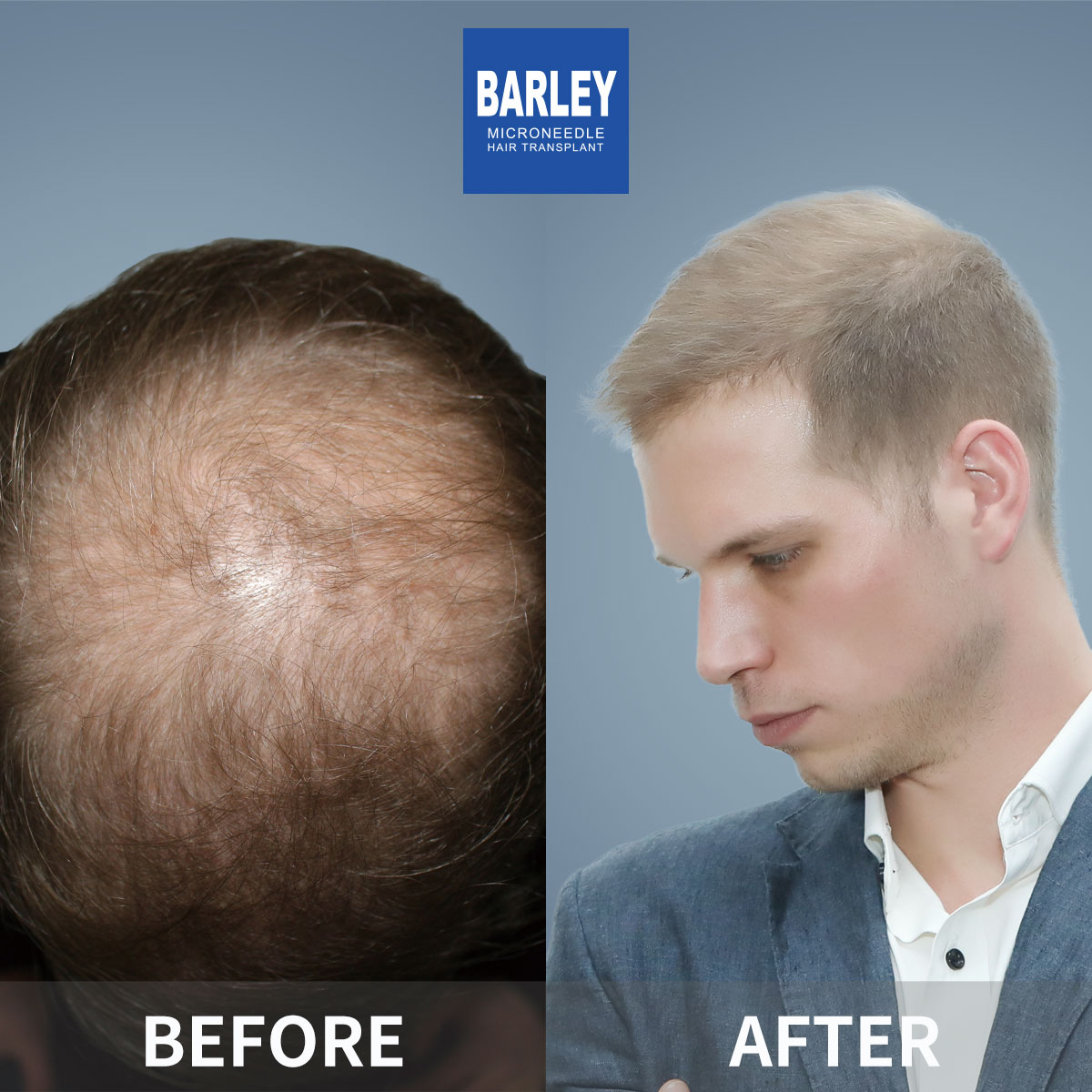
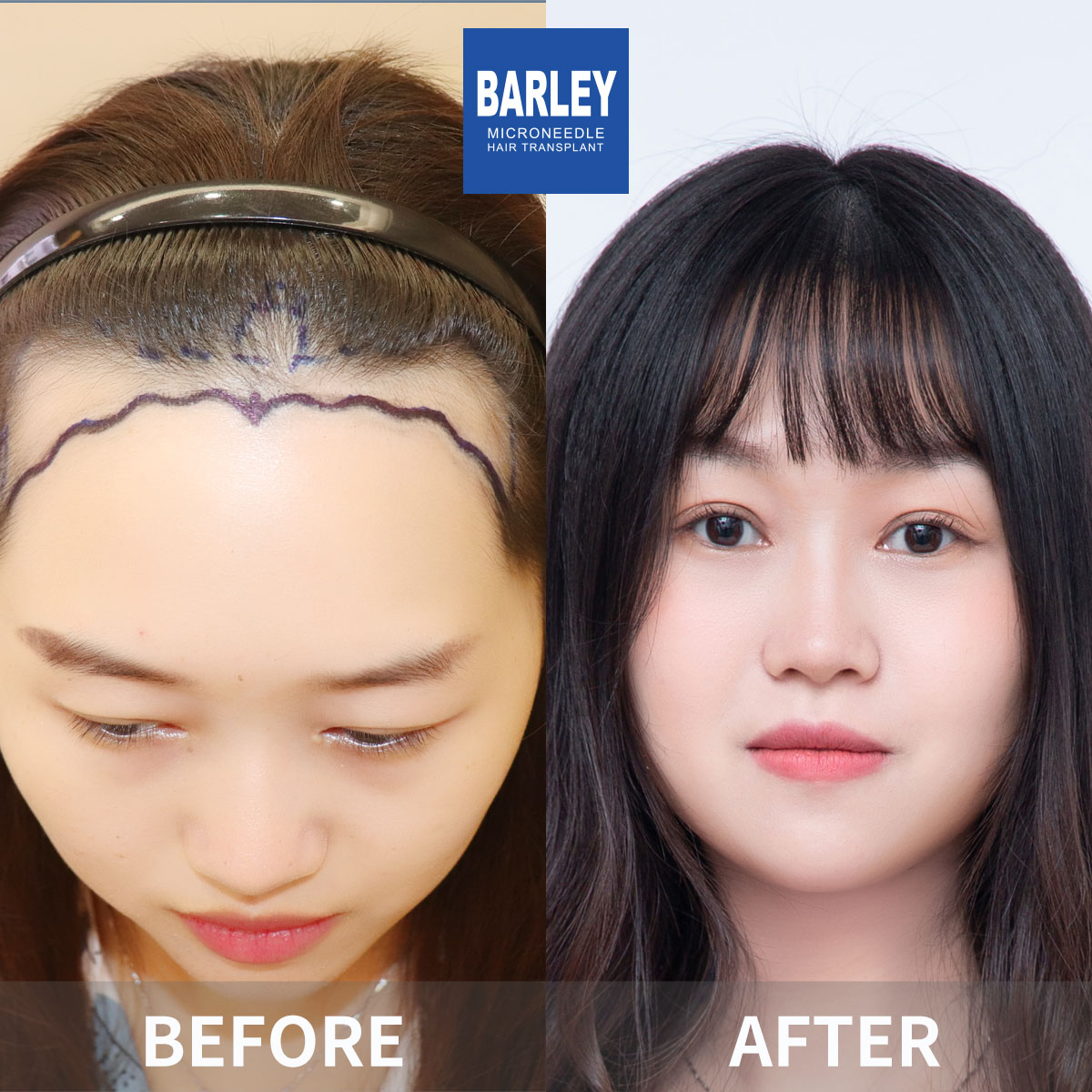
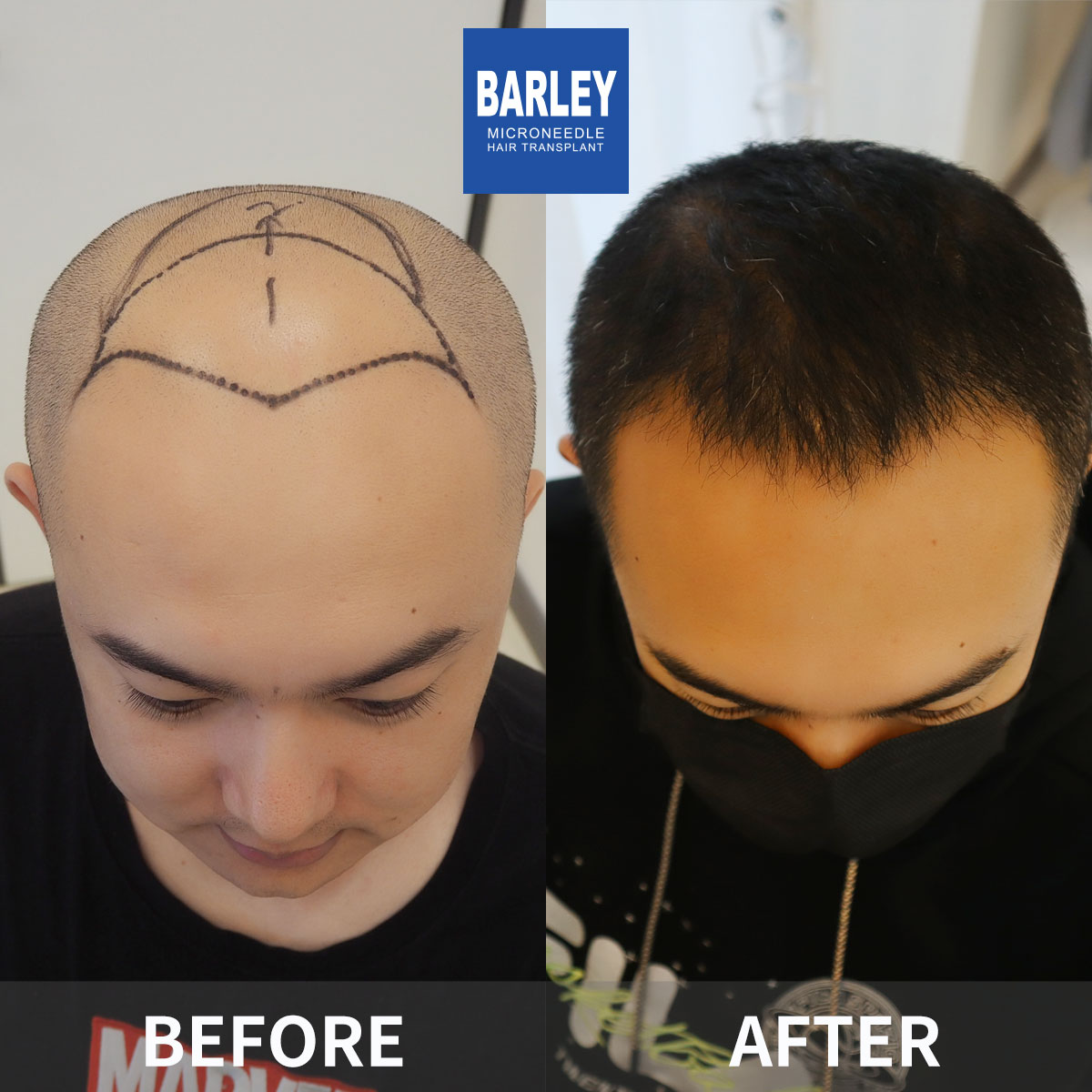
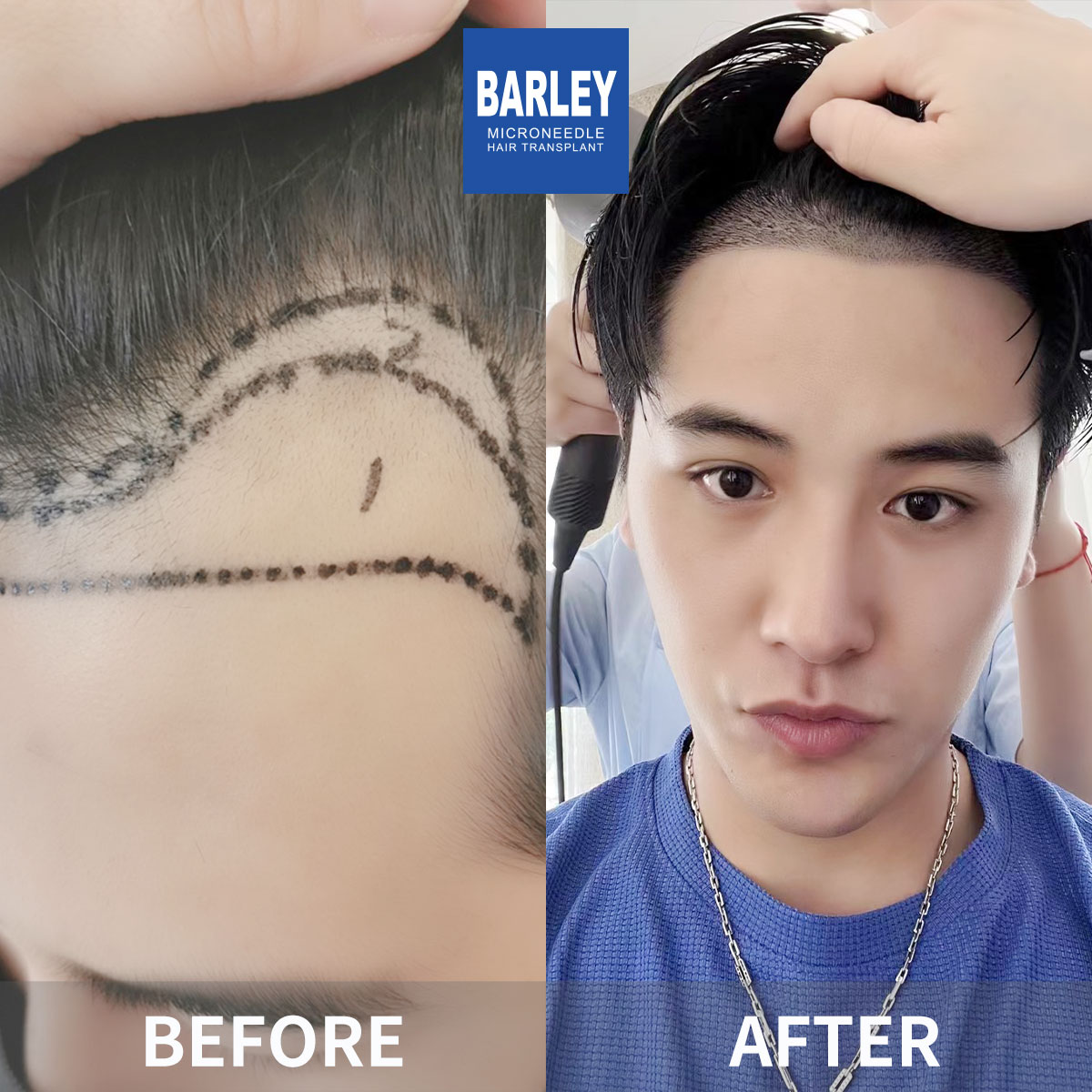
See the amazing transformations our patients have achieved
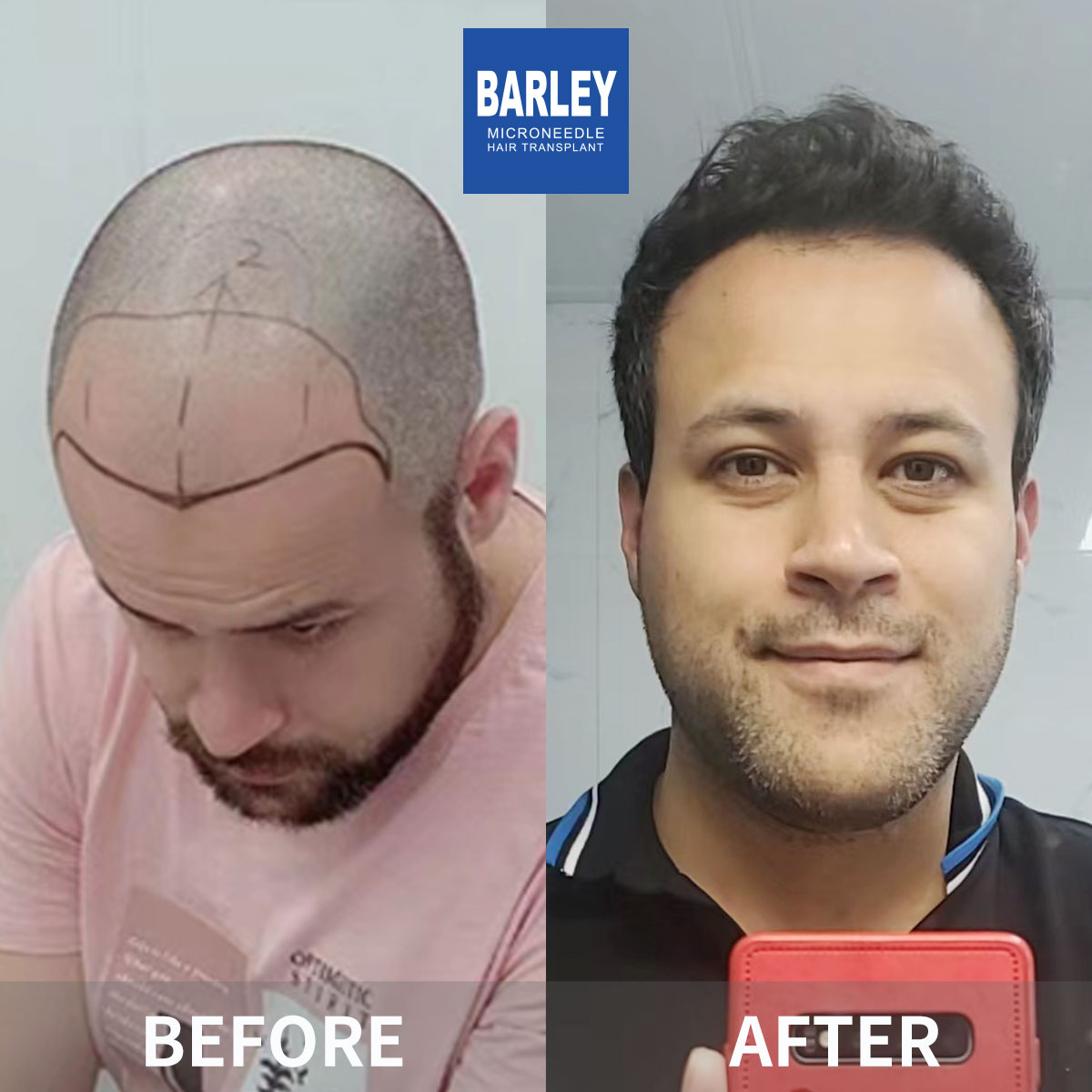
Happy Patients

Moments captured with our satisfied patients
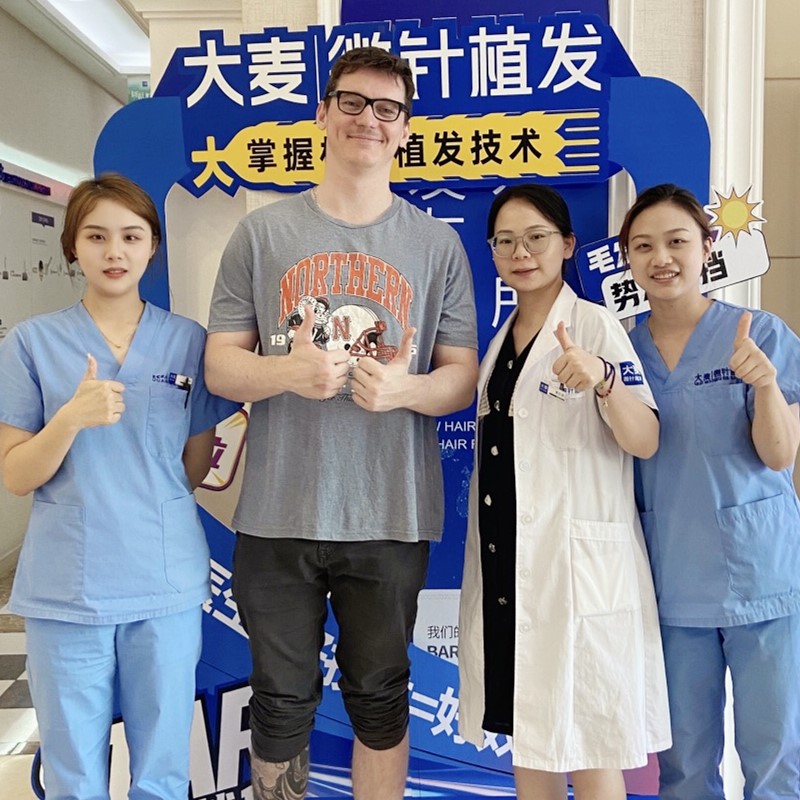
Patient Experience

Delighted with Results

Happy patient showing off their natural-looking hair transplant
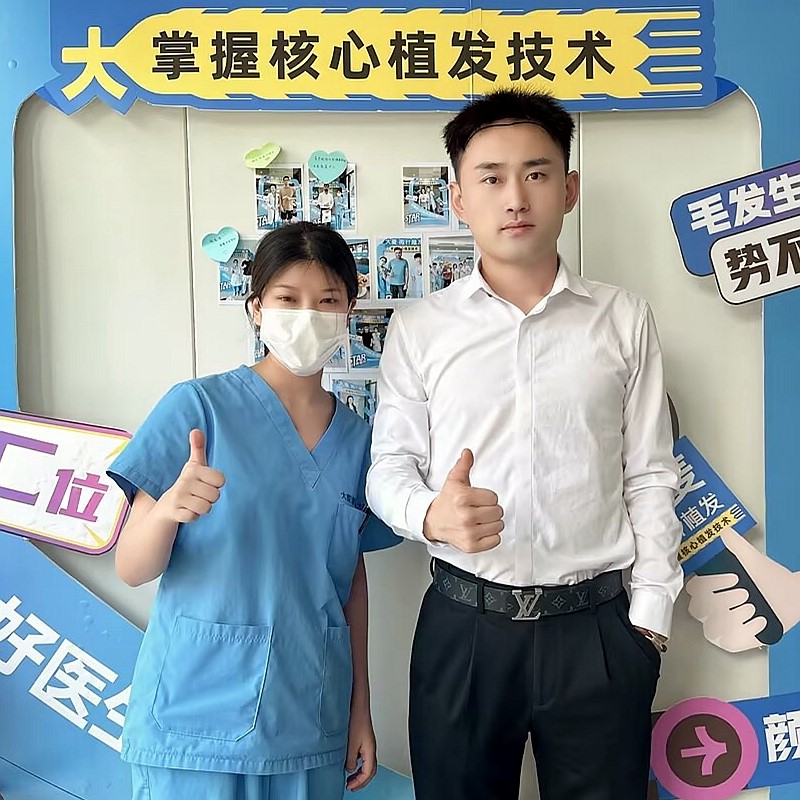
Patient Journey

Outstanding Experience

Grateful patient celebrating their transformation
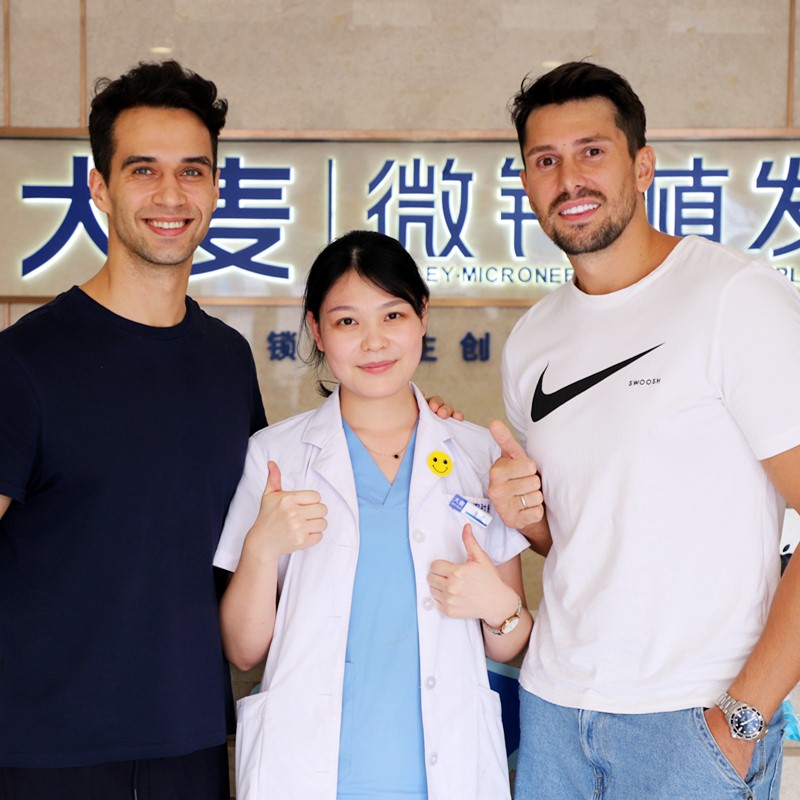
Happy Patient

Confidence Restored

Proud patient with their new, natural hairline
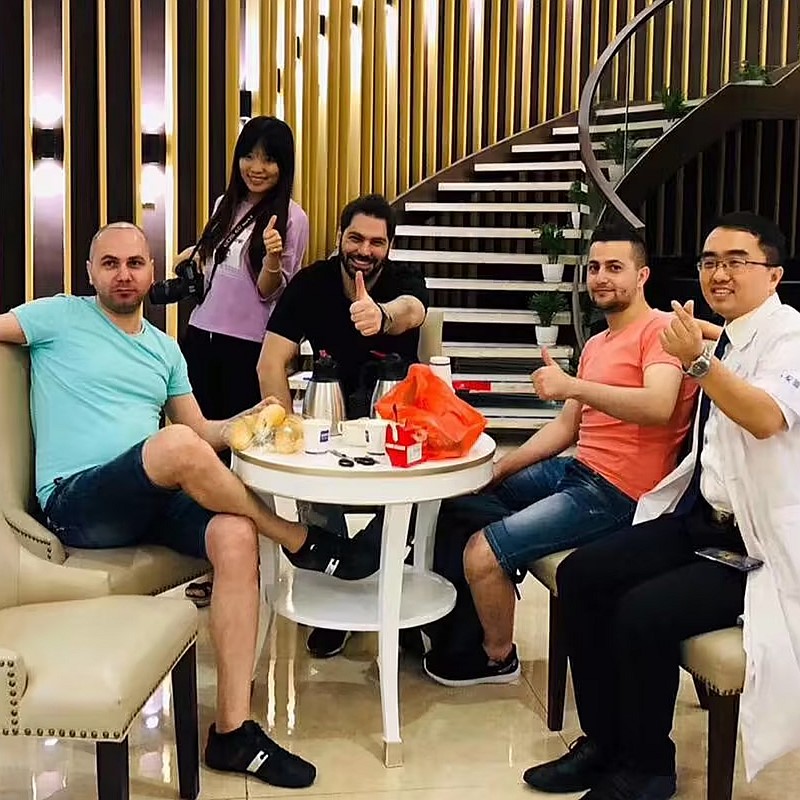
Patient Success

Before and After

Patient showing their incredible transformation journey
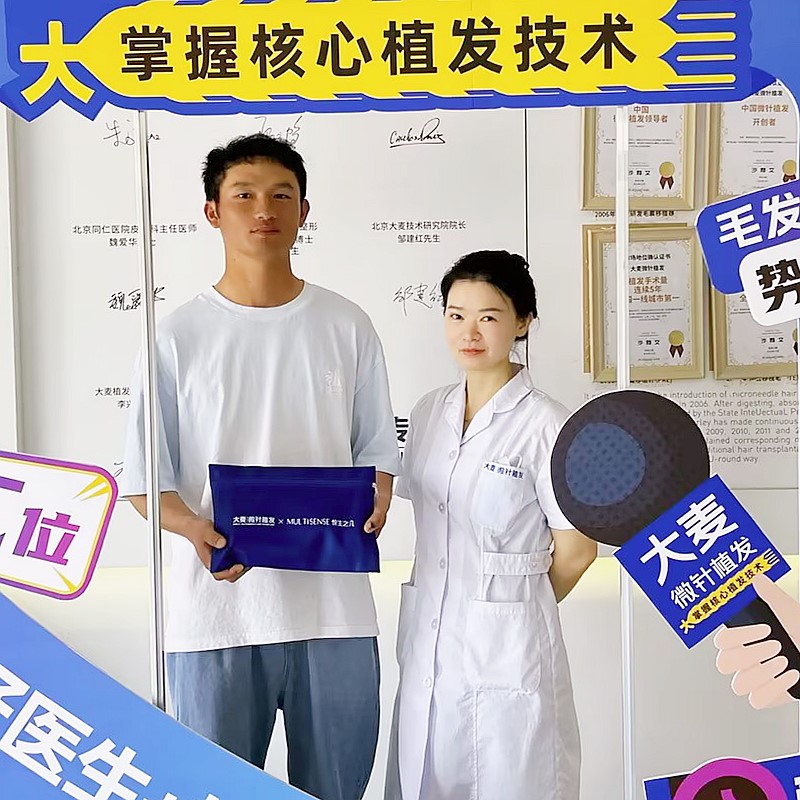
Patient Transformation

International Patient

Overseas patient thrilled with their results
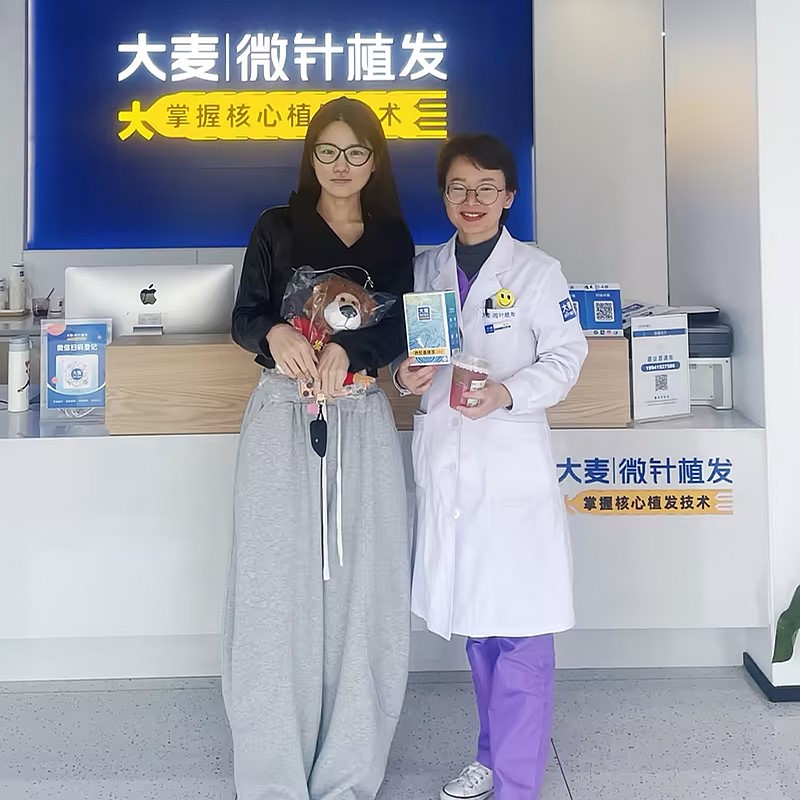
Patient Testimonial

Amazing Outcome

Patient smiling with their new, natural hair
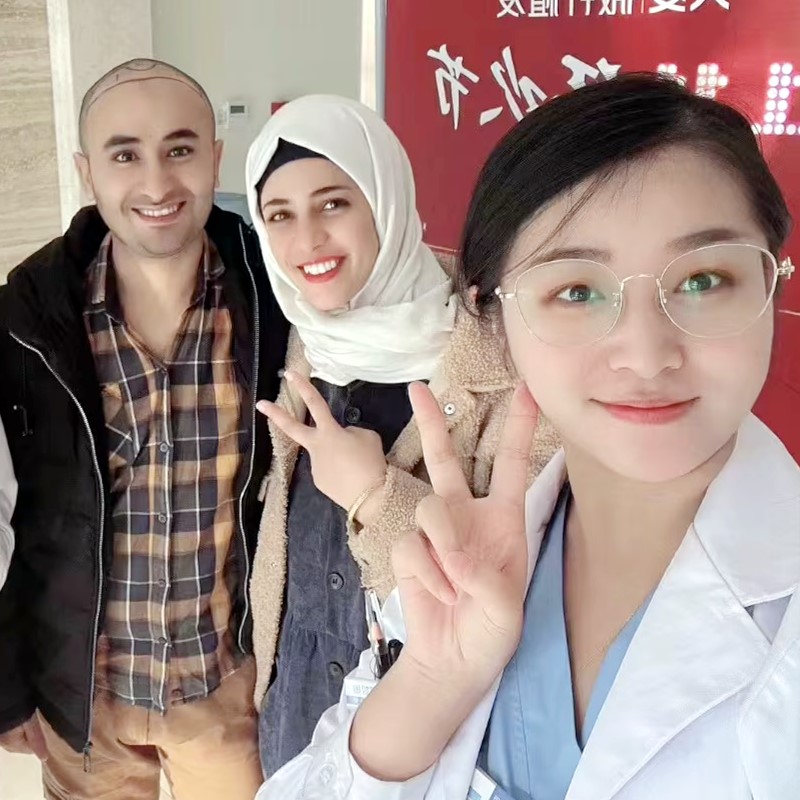
Patient Story

Positive Experience

Satisfied patient with the medical team
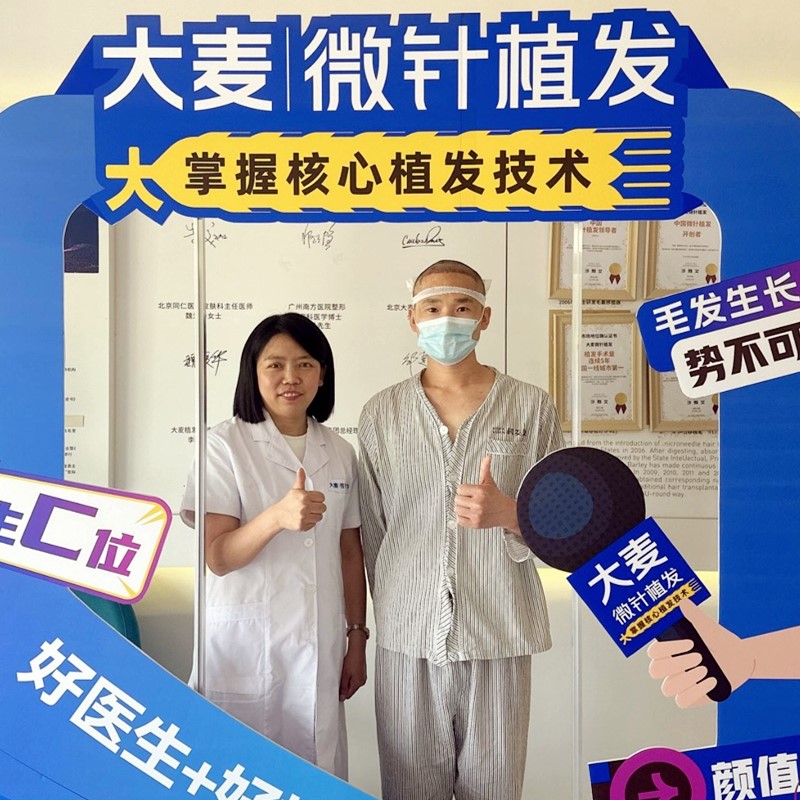
Patient Result

Great Results

Patient showing off their successful hair restoration

What Our Patients Say

Hear from our satisfied patients around the world

"The consultation process was incredibly thorough. Dr. Chen spent over an hour mapping out my hairline and explaining exactly how many grafts I needed. On surgery day, every step from anaesthesia to graft placement was methodical and painless. I felt completely confident throughout."

MR

Michael Roberts

United States

"What surprised me most was how comfortable the actual extraction process was. The local anaesthetic worked perfectly, and I was able to relax and even listen to music during the 6-hour procedure. The team kept checking if I was comfortable throughout."

SK

Sean Kelly

Ireland

"The pre-operative instructions were very detailed — I knew exactly what medications to avoid, how to prepare my scalp, and what to expect on arrival. The surgery itself followed a precise timeline: anaesthesia, extraction, recipient site creation, then implantation. Each phase was explained before it began."

RK

Rajesh Kumar

India

"The recovery process was smoother than I anticipated. The first day there was mild swelling, but the team provided a detailed aftercare schedule with specific times for spraying saline solution and taking medications. By day three, I felt completely normal. The follow-up calls from the care team were reassuring."

OT

Omar Al-Tamimi

UAE

"I was amazed by the precision of the DHI technique. The surgeon used Choi implant pens to place each graft at the exact angle and depth required for a natural growth pattern. You can see the skill in the results — my hairline looks completely natural at 9 months post-op."

TN

Takeshi Nakamura

Japan

"The coordination between the surgical team was remarkable. While the surgeon created the recipient sites, four technicians were simultaneously preparing and sorting the grafts by hair count. This level of organisation means minimal time outside the body for each graft, which directly impacts survival rates. Professional from start to finish."

PV

Pieter van der Berg

Netherlands

"I was anxious about the recovery process, but the post-operative care was excellent. The team sent me a day-by-day recovery guide with photos showing what to expect at each stage. When I had questions about swelling on day two, they responded within minutes via WhatsApp. I felt supported throughout the entire process."

DL

David Lee

Singapore

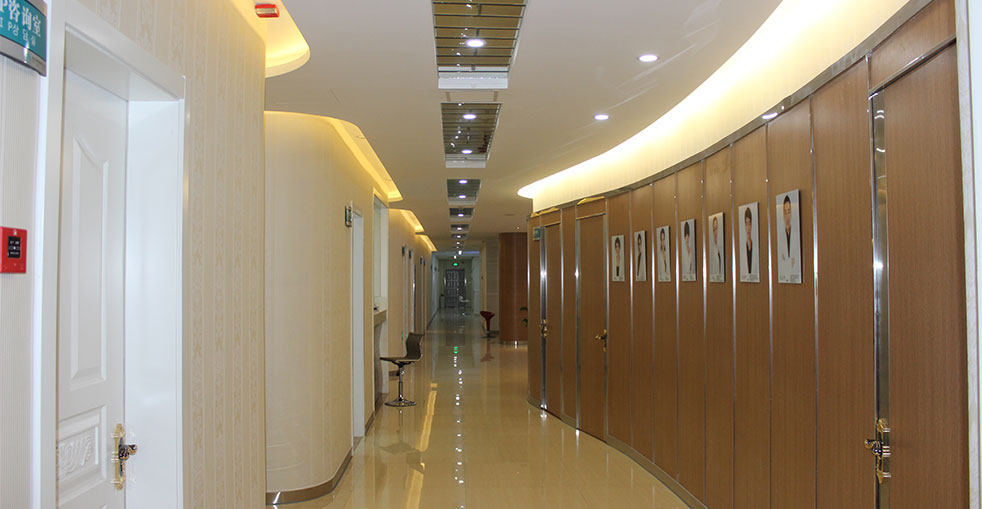
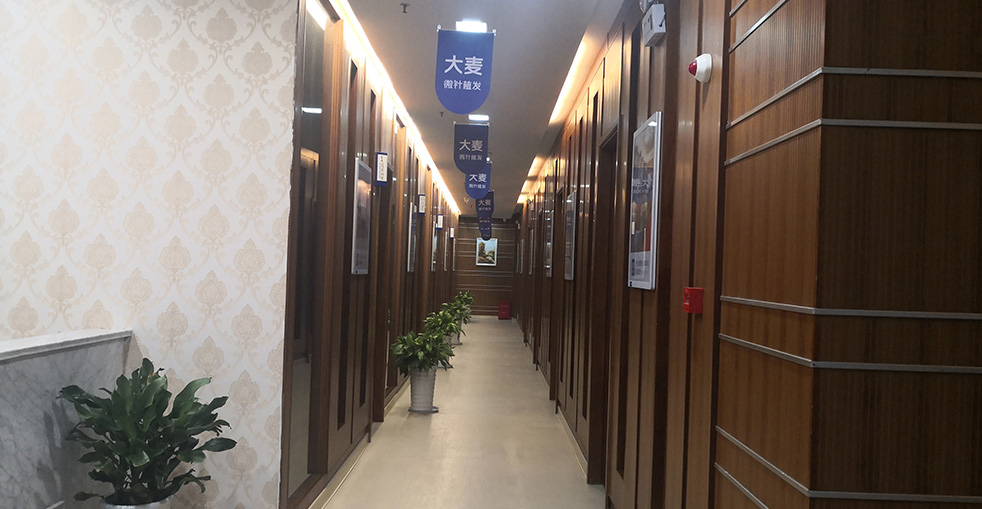
Our Clinic Environment

Experience our modern and comfortable facilities

Hospital 1

Modern Clinic

Our state-of-the-art facility

Hospital 2

Comfortable Waiting Area

Relax in our premium lounge

Hospital 3

Operating Room

Sterile and advanced

Hospital 4

Consultation Room

Private and professional

Hospital 5

Recovery Area

Comfortable post-op space

Hospital 6

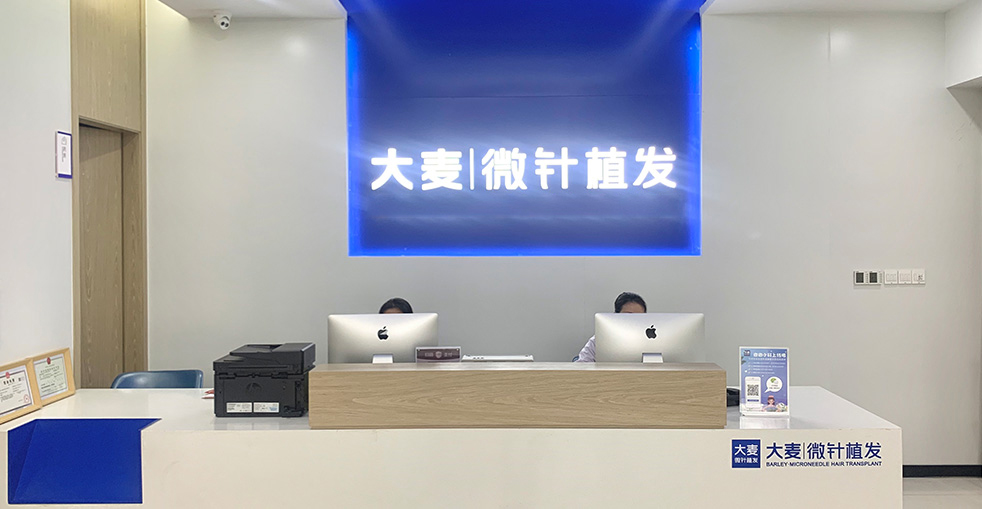
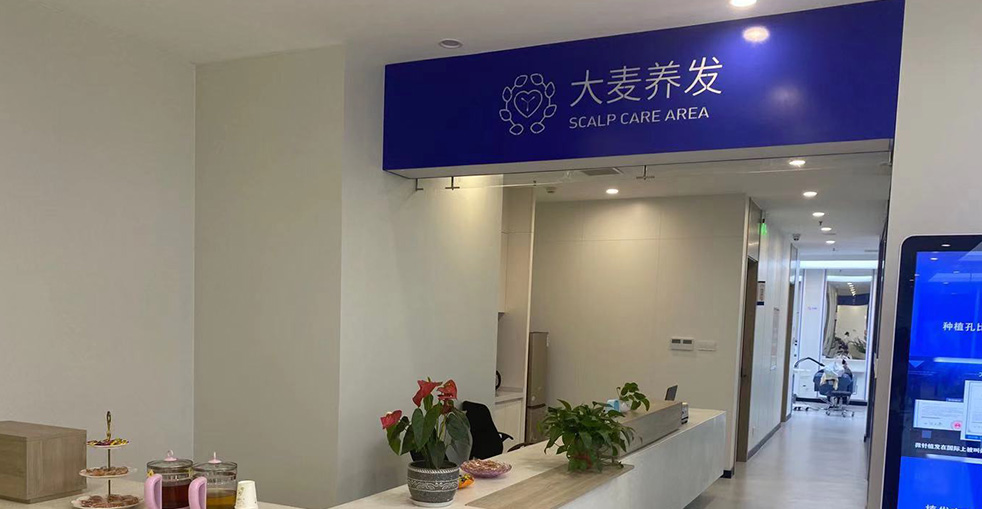
Reception

Welcoming entrance

Frequently Asked Questions

Common questions about the hair transplant process and recovery

What happens during the initial hair transplant consultation?
Your consultation begins with a thorough assessment of your scalp, donor area density, and degree of hair loss. The surgeon examines your hair characteristics, discusses your goals, and determines the number of grafts needed. Digital imaging may be used to simulate expected results. You will receive a personalised treatment plan, transparent pricing, and answers to all your questions.
How should I prepare in the weeks before my hair transplant?
Two weeks before surgery: stop smoking and limit alcohol consumption. One week before: avoid blood-thinning medications such as aspirin, ibuprofen, and vitamin E supplements. Three days before: avoid caffeine and alcohol. The day before: get a good night's sleep, eat a nutritious meal, and wash your hair. On surgery day: wear a button-up shirt, eat a light breakfast, and avoid any hair products.
How long does a hair transplant surgery take?
Most procedures take between 4 and 8 hours depending on the number of grafts. A smaller session of 1,500 grafts may take around 4 hours, while a larger procedure of 3,500+ grafts can take 6–8 hours. The surgery is performed under local anaesthesia, so you remain awake but comfortable throughout.
Is hair transplant surgery painful?
The only discomfort comes from the initial local anaesthesia injections, which feel like a few pinches for about 30-60 seconds. Once the area is numb, you should feel no pain during the procedure. Many patients listen to music, watch movies, or even nap during the surgery. Some mild soreness is normal in the days following, easily managed with prescribed medication.
What should I expect on the day of my hair transplant?
Arrive at the clinic after a light breakfast. The surgical team will review your plan, take pre-operative photos, and mark your hairline with your input. Local anaesthesia is administered to numb the donor and recipient areas. Graft extraction begins, followed by recipient site creation and implantation. You can take breaks, eat lunch, and use the restroom. At the end, you receive detailed aftercare instructions before heading home.
What happens during the first week after hair transplant?
Days 1-3: mild swelling in the forehead area, some oozing of clear fluid, and a feeling of tightness in the donor area. Days 4-7: small scabs begin to form around the transplanted grafts. The recipient area may look red and slightly bumpy. You will begin gentle washing as instructed by your care team. Most patients can return to desk work by day 3-5.
When do scabs fall off after hair transplant?
Scabs typically begin to soften and fall off between days 7 and 14 after surgery. Gentle washing with the prescribed shampoo accelerates this process. It is crucial not to pick or scratch at the scabs, as this can dislodge the grafts. By day 14, most scabs should have naturally fallen off, revealing the transplanted hair underneath.
What is the shock loss phase after hair transplant?
Shock loss, or shedding, occurs 2-4 weeks after surgery. The transplanted hairs fall out as the follicles enter a resting phase before producing new growth. This is completely normal and expected. Do not panic — the follicles remain alive beneath the skin and will begin producing new hair in 3-4 months. The shock loss phase is a sign that the transplant is progressing as it should.
When does new hair start growing after transplant?
New hair growth typically begins around month 3-4. The initial hairs may appear fine and light-coloured. By month 6, the hair becomes thicker and more noticeable. Visible improvement in density occurs at 6-9 months, with full, mature results visible at 12-15 months post-surgery.
Can I travel after hair transplant surgery?
Most patients can travel 2-3 days after surgery. If you are flying home from abroad, we recommend staying for at least 2-3 days for a follow-up appointment. For air travel, be aware that cabin pressure may cause mild swelling, which is temporary. We provide comprehensive aftercare instructions and can coordinate follow-up care in your home country if needed.
When can I exercise after hair transplant?
Light walking is encouraged from day 1 to promote circulation. Avoid strenuous exercise for 2 weeks. Light cardio (jogging, cycling) can resume after 2 weeks. Heavy weightlifting and contact sports should be avoided for at least 4 weeks. Swimming should be avoided for 4 weeks due to chlorine and bacteria in water.
What is the hair transplant healing timeline month by month?
Month 1: Scabs fall off, shock loss begins. Month 2-3: Shedding complete, follicles resting beneath skin. Month 3-4: Fine new growth appears. Month 5-6: Hair thickens and darkens. Month 7-9: Significant density improvement visible. Month 10-12: Near-final results. Month 12-15: Full mature results with natural texture and density.
How do I sleep after a hair transplant?
For the first 3-5 nights, sleep with your head elevated at a 45-degree angle using pillows or a travel neck pillow. This reduces swelling and prevents you from rubbing the grafts against the pillow. Sleep on your back during this period. After the first week, you can gradually return to your normal sleeping position.
Can I wear a hat after hair transplant?
You should avoid wearing any hats for the first 3 days. After that, a loose-fitting, clean hat (such as a bucket hat or loose baseball cap) can be worn carefully without touching the grafts. Avoid tight hats, beanies, or helmets for at least 2 weeks. Never wear a hat that puts pressure on the transplanted area during the first month.
What medications are prescribed after hair transplant?
Most patients receive a short course of antibiotics (5-7 days) to prevent infection, anti-inflammatory medication to reduce swelling (3-5 days), and pain relief medication as needed. Some surgeons also prescribe specialised shampoos and topical treatments for the healing period. Always follow your surgeon's specific medication instructions.
How long should I stay in China for the hair transplant process?
International patients typically need 5–7 days in China: Day 1 for arrival and consultation, Day 2 for the surgery, Days 3–5 for initial recovery and follow-up, with optional Days 6–7 for additional sightseeing before departing. Some patients prefer to stay longer to explore China's attractions while recovering.
What should I pack for my hair transplant trip to China?
Pack loose button-up shirts (no pullovers), a travel neck pillow for sleeping, your prescribed medications, comfortable walking shoes, light entertainment for surgery day, and any personal toiletries. The clinic provides all medical supplies, post-operative shampoos, and aftercare products. Bring sunscreen and a loose hat for sun protection during recovery.
Can I wash my hair after the transplant?
You can begin gentle washing 3–4 days after surgery using the prescribed shampoo and technique provided by your care team. Do not rub or scrub the transplanted area — instead, gently pour diluted shampoo over the scalp and let the water rinse it off. After two weeks, you can return to your normal washing routine. Avoid swimming pools, hot tubs, and the ocean for at least 4 weeks.

Ready to Get Started?

Contact us for a free consultation

WeChat

15810155700

WhatsApp

+86 13730143529

Email

hairtransplant@qq.com

WeChat QR Code