Hero 1

You're Not Alone in This

A clear, honest roadmap to understanding male hair loss — from root causes to treatments that actually work

Get Your Free Quote
Hero 2

Know Your Stage. Take Back Control.

Understand the Norwood scale, learn how DHT affects your follicles, and discover the treatment path that's right for you

Get Your Free Quote
Hero 3

The Sooner You Act, the Better Your Results

Early treatment preserves follicles — explore medications, transplants, and combined therapies before hair loss becomes irreversible

Get Your Free Quote

Understanding Male Pattern Baldness

Androgenetic Alopecia in Men

Male pattern baldness, medically known as androgenetic alopecia, is the most common form of hair loss affecting men worldwide. By the age of 50, approximately 50% of men experience some degree of noticeable hair loss, and by age 70, this figure rises to nearly 80%. The condition is driven by a combination of genetic predisposition and hormonal factors — specifically, the sensitivity of hair follicles to dihydrotestosterone (DHT), a derivative of testosterone. Men who inherit genes for hair loss have hair follicles that are especially vulnerable to DHT. Over time, DHT binds to receptors in these follicles and triggers a process called miniaturization, where each hair growth cycle produces progressively thinner and shorter hairs until the follicle ultimately stops producing visible hair. The pattern of loss typically begins at the temples and crown, following a predictable progression that the Norwood-Hamilton scale classifies into seven distinct stages.

The Norwood Scale

The Norwood-Hamilton scale is the standard classification system used by hair restoration specialists to assess the stage and pattern of male pattern baldness. It describes a progression from minimal hair loss to extensive baldness across seven stages:

  • Stage 1: Minimal or no hair loss. The hairline appears normal with no significant recession at the temples.
  • Stage 2: Slight recession of the hairline around the temples, creating a subtle M-shape or widow's peak appearance. This is often the earliest visible sign.
  • Stage 3: Deep symmetrical recession at both temples. Hair loss becomes clearly noticeable. Some men also develop a thinning spot at the crown (vertex) at this stage.
  • Stage 4: Further recession at the temples and enlargement of the crown bald spot. A band of hair still separates the front and crown areas, though it is thinning.
  • Stage 5: The band of hair separating the frontal and crown regions narrows significantly. Both areas of hair loss are large and clearly visible.
  • Stage 6: The bridge of hair between the front and crown areas disappears completely. Hair loss extends across the top of the scalp, leaving hair only on the sides and back of the head.
  • Stage 7: The most advanced stage. Only a narrow horseshoe-shaped band of hair remains around the sides and back of the head. Hair on the top is entirely gone, and the remaining hair may be finer and thinner.

Treatment Options by Stage

Early Stage (Norwood 1-3)

In the earliest stages, non-surgical treatments are often highly effective. Medications such as oral Finasteride and topical Minoxidil can slow or halt progression and may stimulate regrowth in thinning areas. PRP therapy provides additional follicle stimulation, and low-level laser therapy can complement medical treatment. Early intervention is critical — the sooner treatment begins, the more hair can be preserved and the better the long-term outcome.

Moderate Stage (Norwood 3-4)

At moderate stages, a combination approach yields the best results. Hair transplantation becomes a viable option for restoring density to receded areas, particularly the hairline and temples. FUE transplant techniques can fill in bald patches with natural-looking results. Transplant surgery should be combined with ongoing medication to preserve remaining native hair and prevent further loss behind and around the transplanted area.

Advanced Stage (Norwood 5-7)

Advanced hair loss requires comprehensive surgical planning. Patients may need larger graft counts (3,000-5,000+ grafts) to achieve meaningful coverage. Body hair transplantation can supplement scalp donor hair when donor supply is limited. In some cases, a conservative hairline design that frames the face while accepting some crown thinning produces the most natural result. Results can be transformative, but expectations must be realistic regarding density and coverage given the extent of loss.

When to Seek Help

The most important advice for any man concerned about hair loss is to act early. Hair follicles that have recently miniaturized can often be revived with medical treatment, but follicles that have been dormant for many years may lose their ability to regenerate. If you notice increased shedding in the shower, a receding hairline at the temples, or a widening part at the crown, these are signals that the miniaturization process has begun. A professional consultation with a hair restoration specialist can provide clarity on your specific situation. At Barley Hair Transplant, our specialists use digital trichoscopy to examine your scalp at high magnification, assess the degree of miniaturization, and measure follicle density. We then provide an objective assessment of your Norwood stage and present a personalized treatment roadmap. Whether you are at the first signs of thinning or have advanced baldness, effective options exist — and the best time to start is now.

Educational Guide

Male Hair Loss Guide

Understand your hair loss and find the right solution
Male Hair Loss Guide

You're Not Alone

Hair loss affects about 50% of men by age 50 and up to 80% by age 70. The good news is that with early intervention and the right treatment plan, you can effectively manage and even reverse hair loss. This comprehensive guide will help you understand what's happening, why it's happening, and most importantly, what you can do about it.

  • Understand your hair loss type
  • Identify the causes
  • Learn treatment options
  • Know when to take action
  • Find your best solution

Types of Male Hair Loss

Identify what type of hair loss you're experiencing

Androgenetic Alopecia

  • Also known as Male Pattern Baldness
  • Most common type (95% of cases)
  • Receding hairline + crown balding
  • Genetic + hormonal cause
  • Progressive over time

Alopecia Areata

  • Patchy circular bald spots
  • Autoimmune condition
  • Sudden onset
  • Can affect any hair-bearing area
  • May regrow spontaneously

Telogen Effluvium

  • Generalized shedding
  • Stress-related (physical/ emotional)
  • Usually temporary
  • Rapid hair thinning
  • Diffuse hair loss pattern

Norwood-Hamilton Scale

Classify your baldness severity

Stage 1-2

  • Minimal recession
  • Early warning signs
  • Perfect time for prevention
  • Medications can help
  • Best time to start treatment

Stage 3-4

  • Clear recession pattern
  • Vertex thinning visible
  • Combination treatment needed
  • Medications + transplant option
  • Still very treatable

Stage 5-7

  • Advanced baldness
  • Large areas of scalp visible
  • Transplant is primary solution
  • Body hair might be needed
  • Multiple sessions may be required

Causes of Male Hair Loss

Understand why you're losing hair

Genetics & Heredity

  • Family history is strongest factor
  • Inherited from either parent
  • Sets your pattern and timing
  • DHT sensitivity determined by genes
  • Can predict future loss pattern

Hormones & DHT

  • DHT = main culprit in hair loss
  • Causes miniaturization of follicles
  • Hair becomes thinner and shorter
  • Eventually follicles stop producing
  • DHT blockers can stop this process

Lifestyle Factors

  • Stress can accelerate hair loss
  • Poor nutrition weakens follicles
  • Lack of sleep impacts health
  • Smoking reduces blood flow
  • Excessive alcohol can worsen

What You Can Do About It

Practical solutions for every stage

Early Stage Treatment

  • Start with Minoxidil (topical)
  • Add Finasteride (DHT blocker)
  • Consider LLLT therapy
  • PRP treatments option
  • Supplements and nutrition

Moderate Stage Options

  • Continue medical therapy
  • Consider hair transplantation
  • FUE for natural look
  • Combine medications + surgery
  • Plan for comprehensive coverage

Advanced Stage Solutions

  • Hair transplant is primary solution
  • Strategic donor management
  • Body hair if needed
  • Stage the process over time
  • Combine with medical therapy

Your Action Steps

Take these steps to address your hair loss

1

Self-Assessment

Identify your stage using Norwood scale

2

Professional Consultation

Get expert evaluation and diagnosis

3

Start Treatment Early

Begin medical therapy if appropriate

4

Consider Transplant

Explore surgical options if needed

5

Follow-Up Care

Monitor progress and adjust as needed

6

Maintain Results

Continue treatment to keep your gains

Barley Hair Transplant Male Hair Loss Program Advantages

Why our comprehensive male hair loss program delivers superior, lasting results

Personalized Treatment Roadmap

We don't do one-size-fits-all. Based on your Norwood stage, age, goals, and donor availability, we create a customized roadmap that may include prevention, medical treatment, and/or surgical options.

Stage-Appropriate Solutions

Early stage? Focus on prevention. Advanced stage? Strategic transplantation. We match treatments to your specific stage for optimal results, avoiding unnecessary procedures or wasted effort.

Long-Term Success Planning

We don't just treat today — we plan for your future. Our programs include ongoing maintenance strategies, donor area management, and contingency planning to ensure lasting results over decades.

Why Choose Barley Hair Transplant

Industry leader with proven results

18+ Years Experience

Pioneer and leader in microneedle hair transplant technology since 2006

30+ Direct-operated clinics

Across major cities in China, all with the same high standards

10+ Patented Technologies

Innovative microneedle and implant pen technology for superior results

100K+ Successful Procedures

Trusted by patients from around the globe for Remarkable results

English-speaking staff

Full English support for international patients throughout treatment

Safety First

State-of-the-art facilities and strict safety protocols for your peace of mind

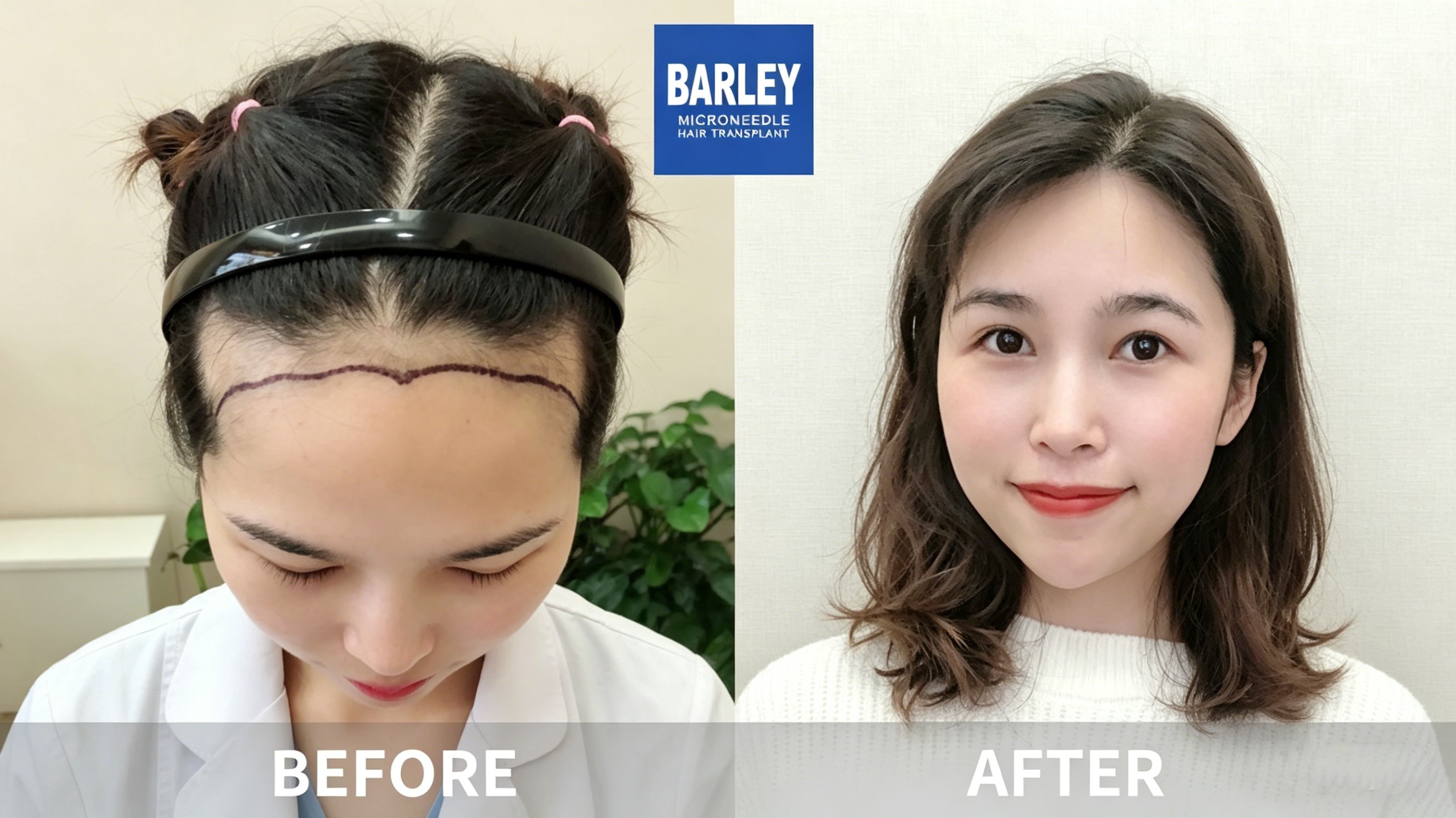
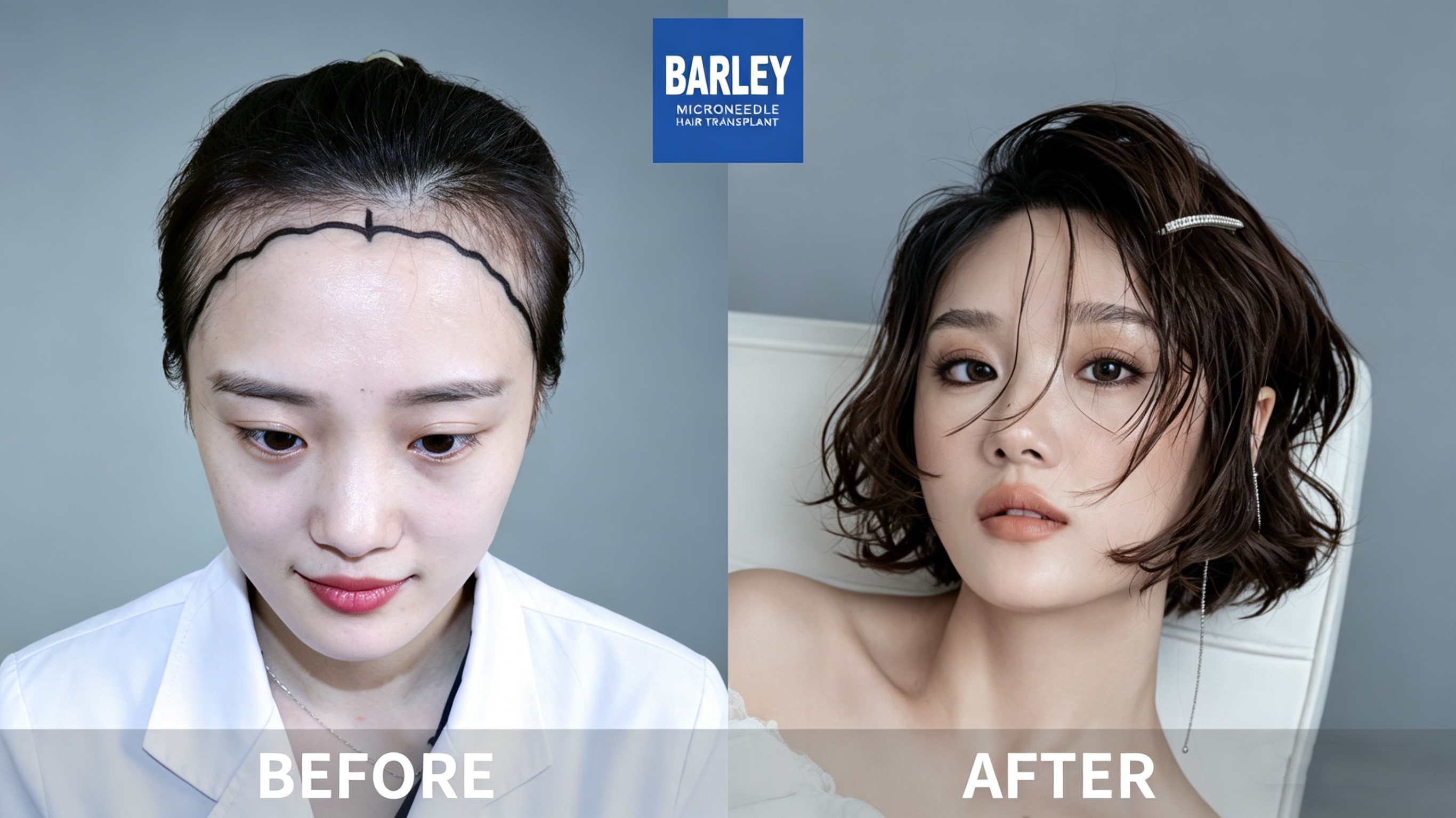
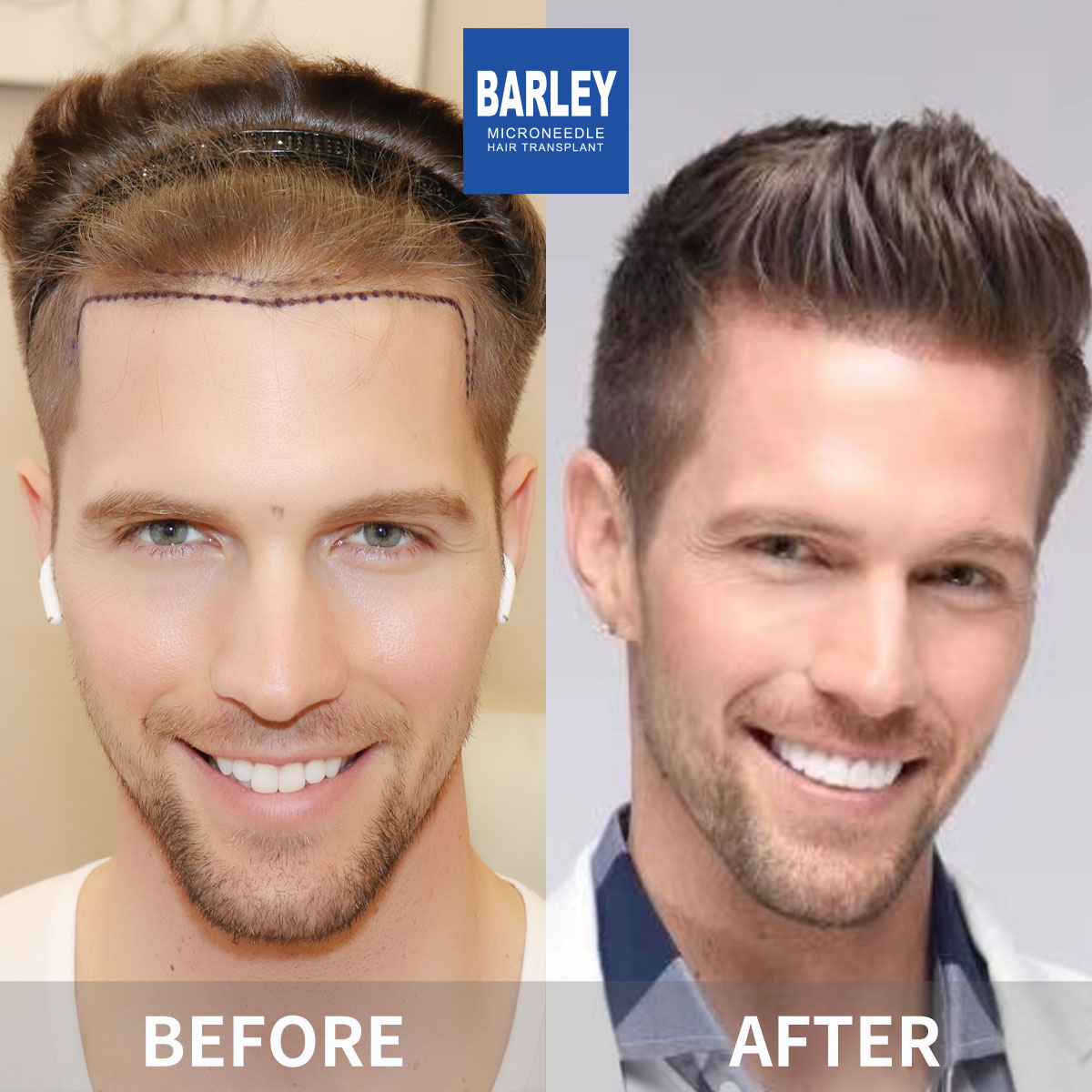
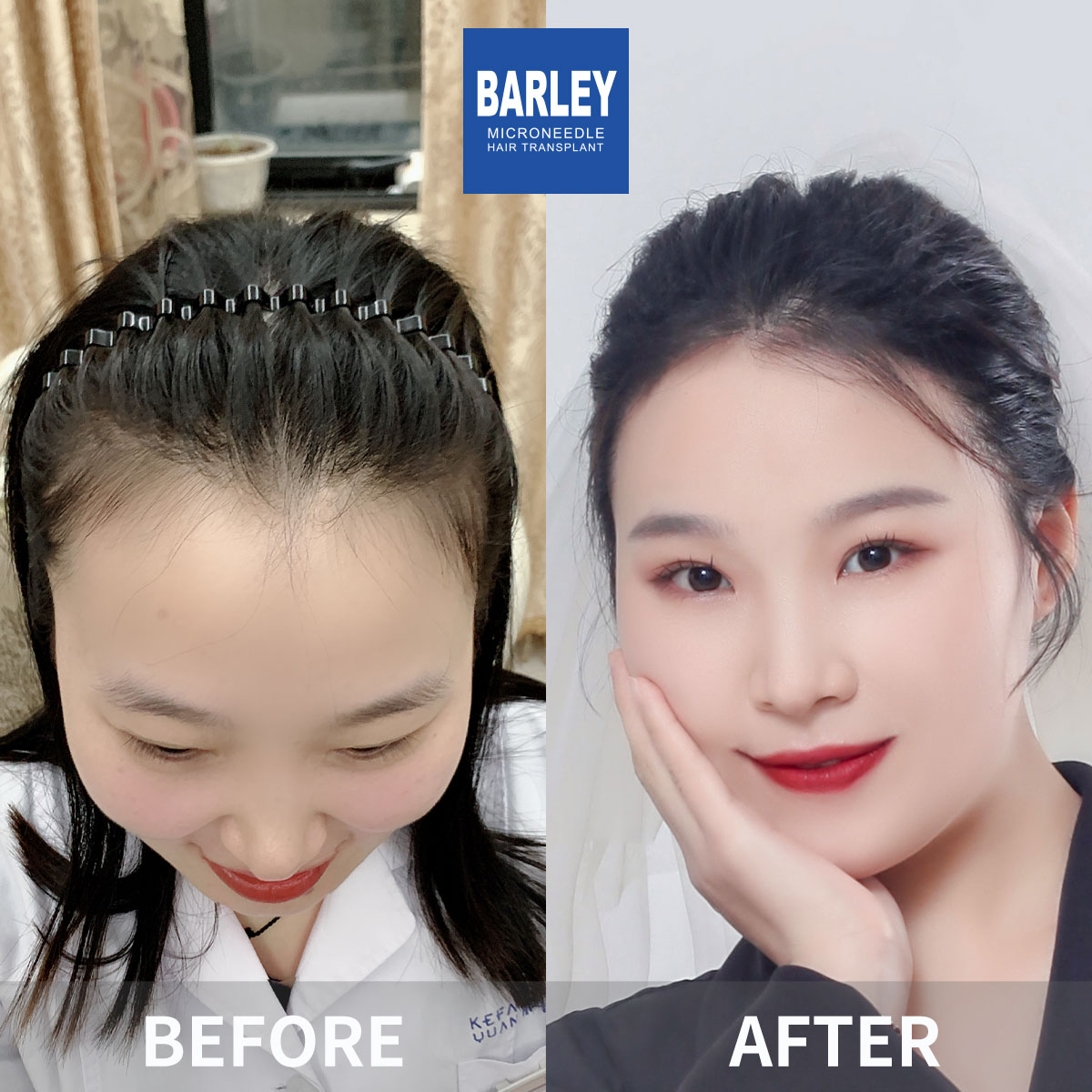
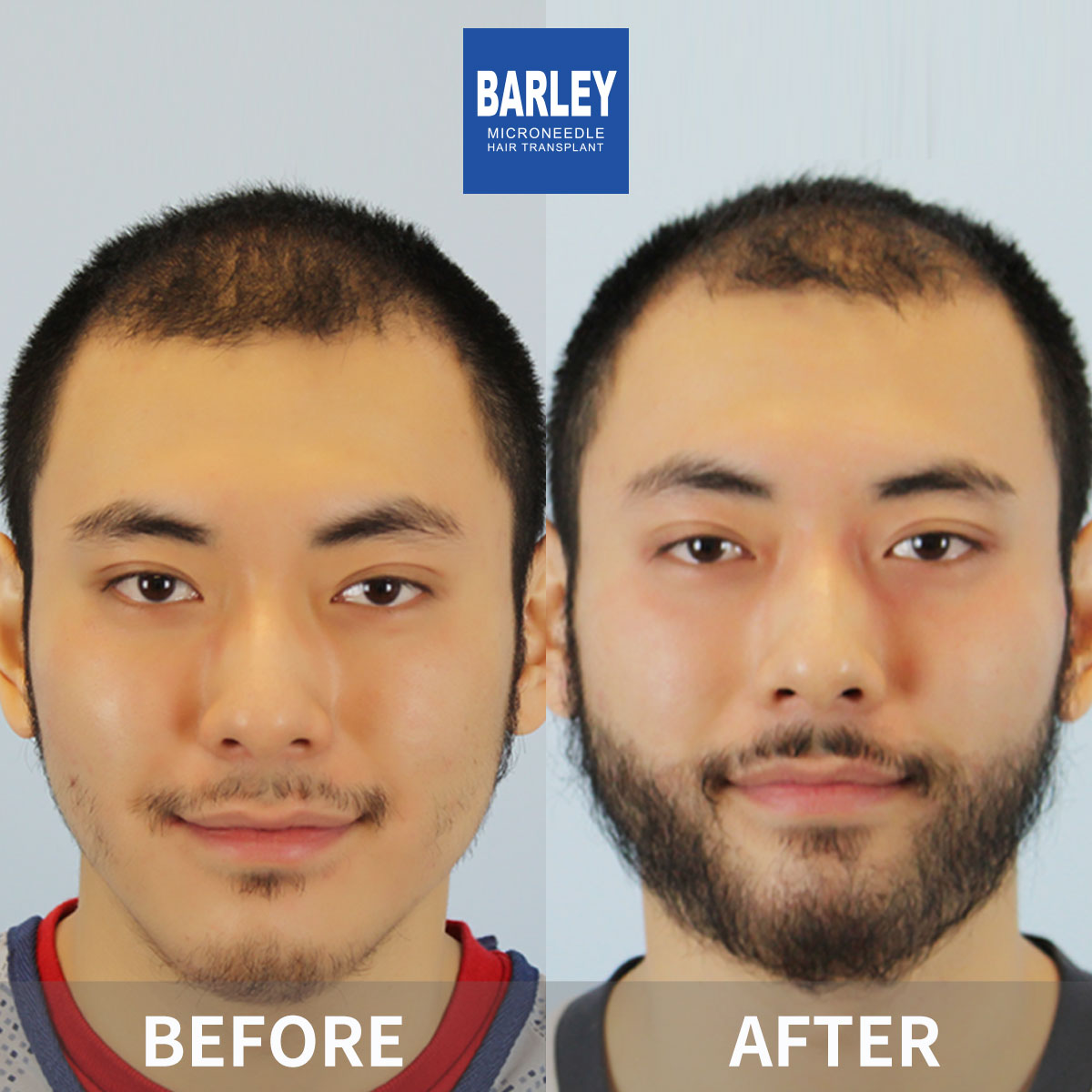
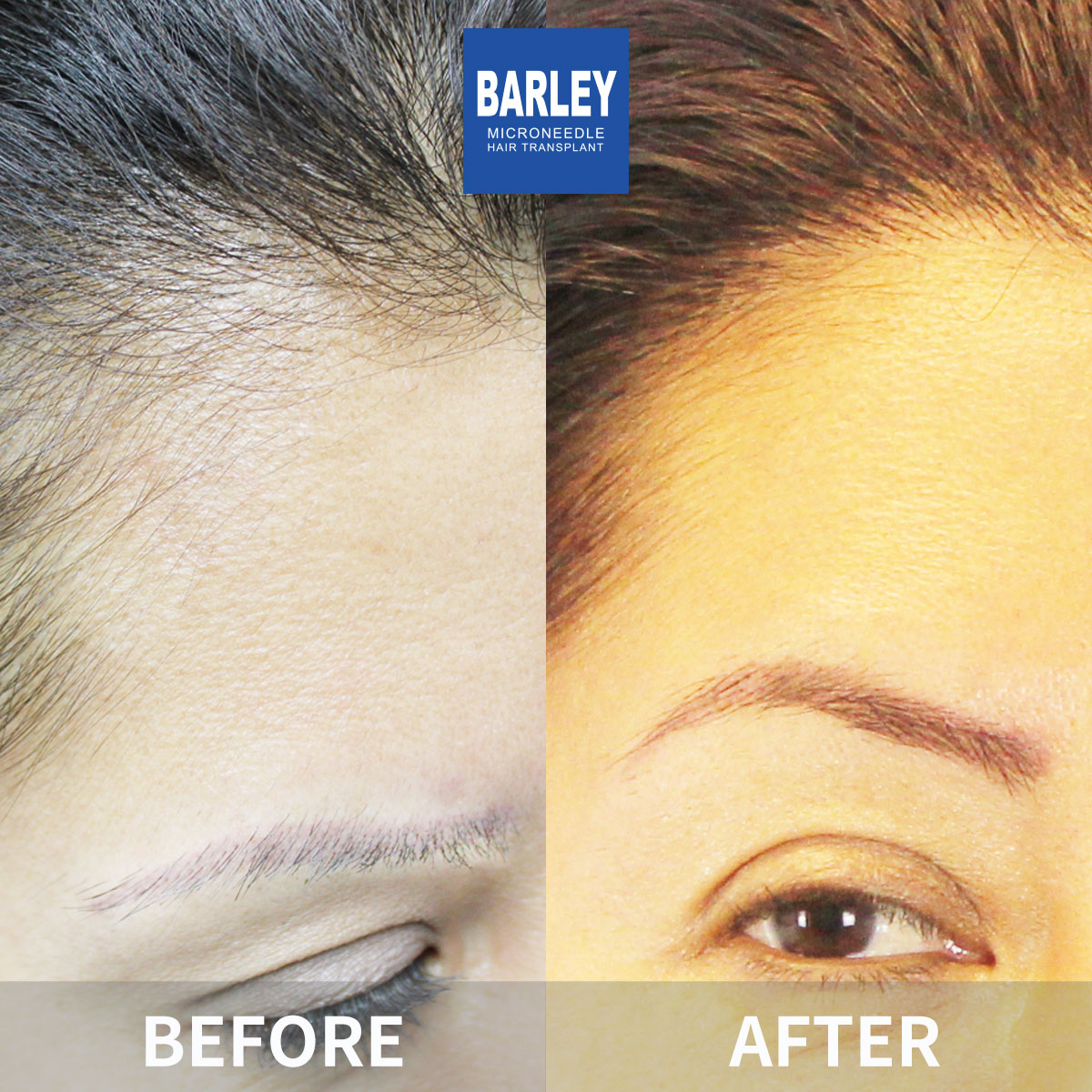
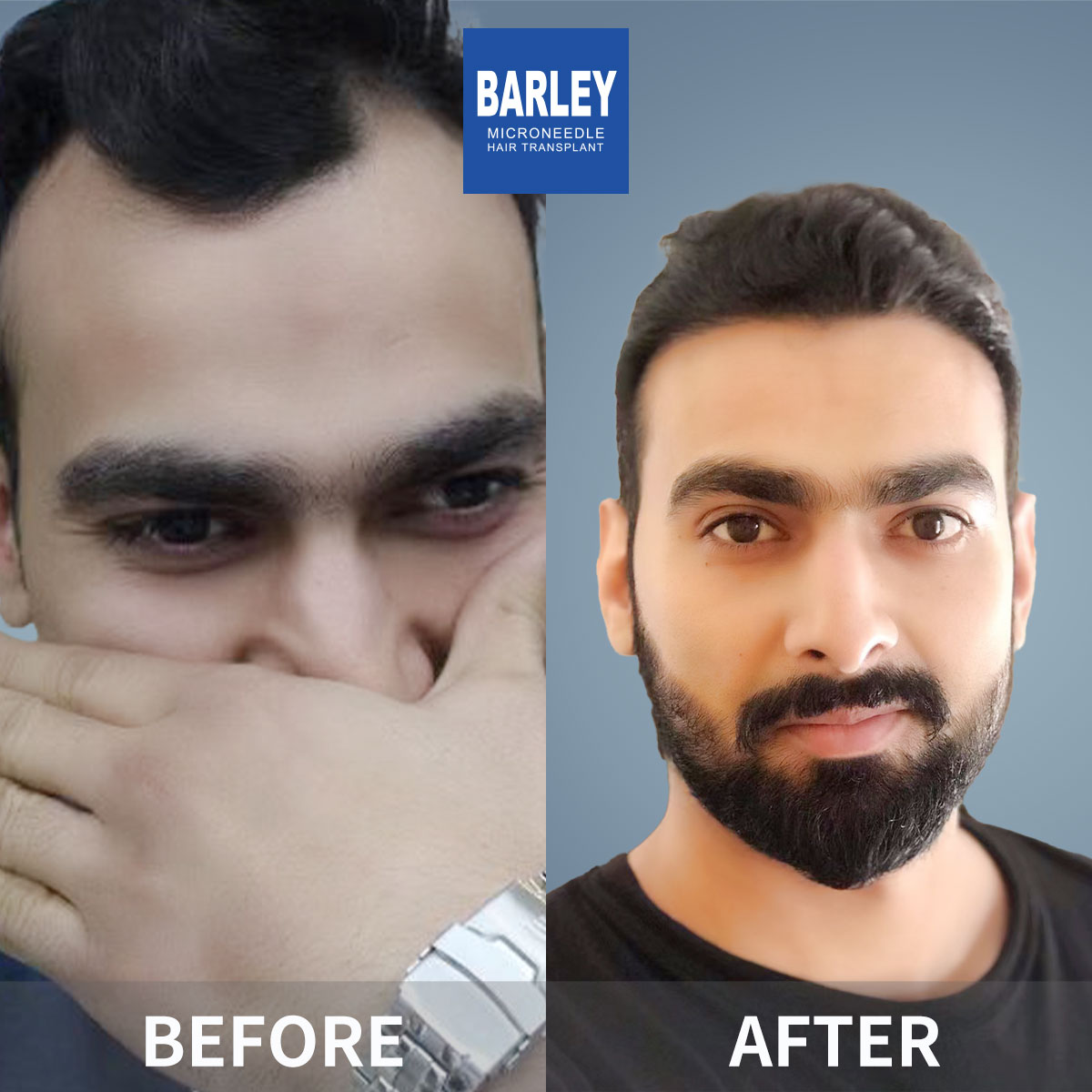
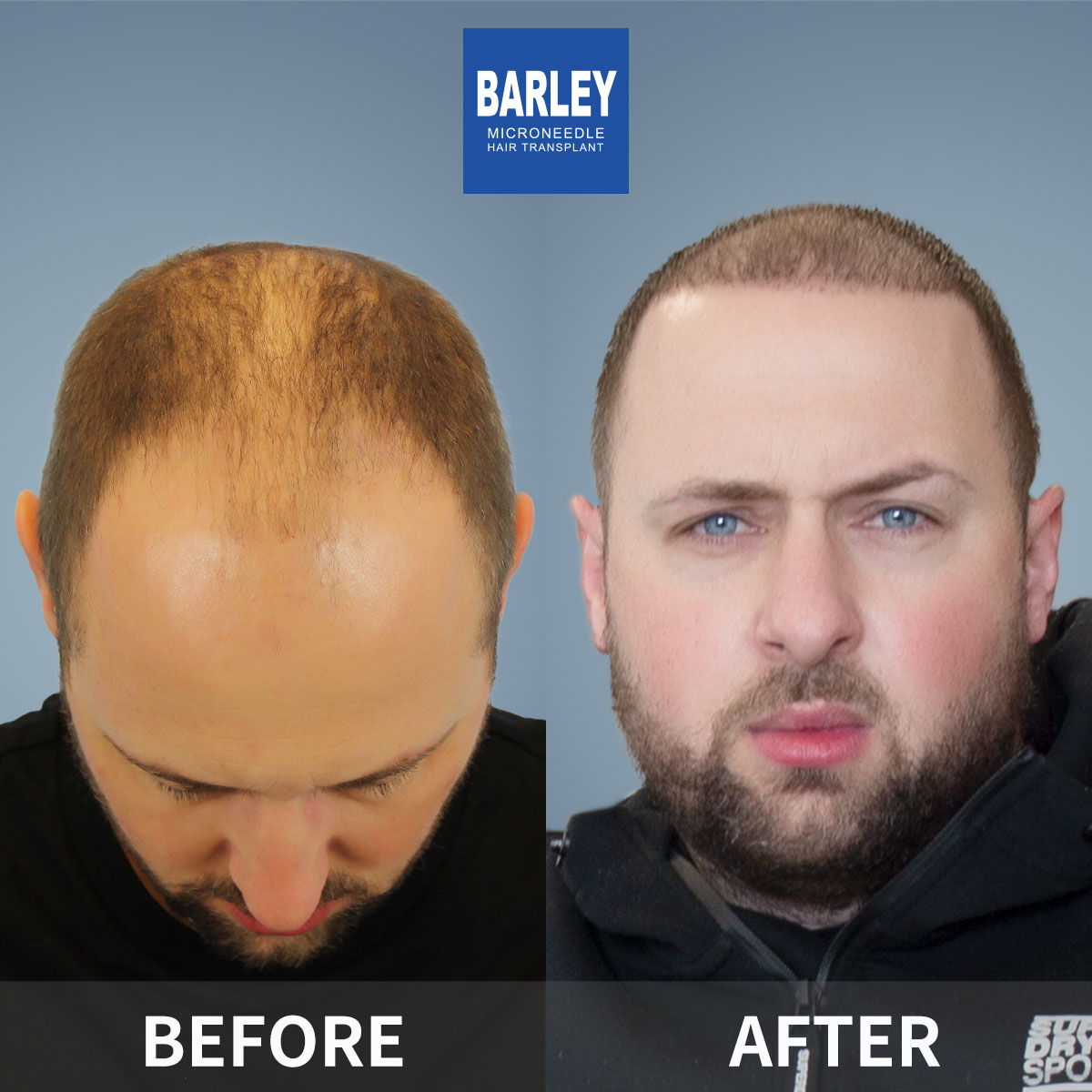
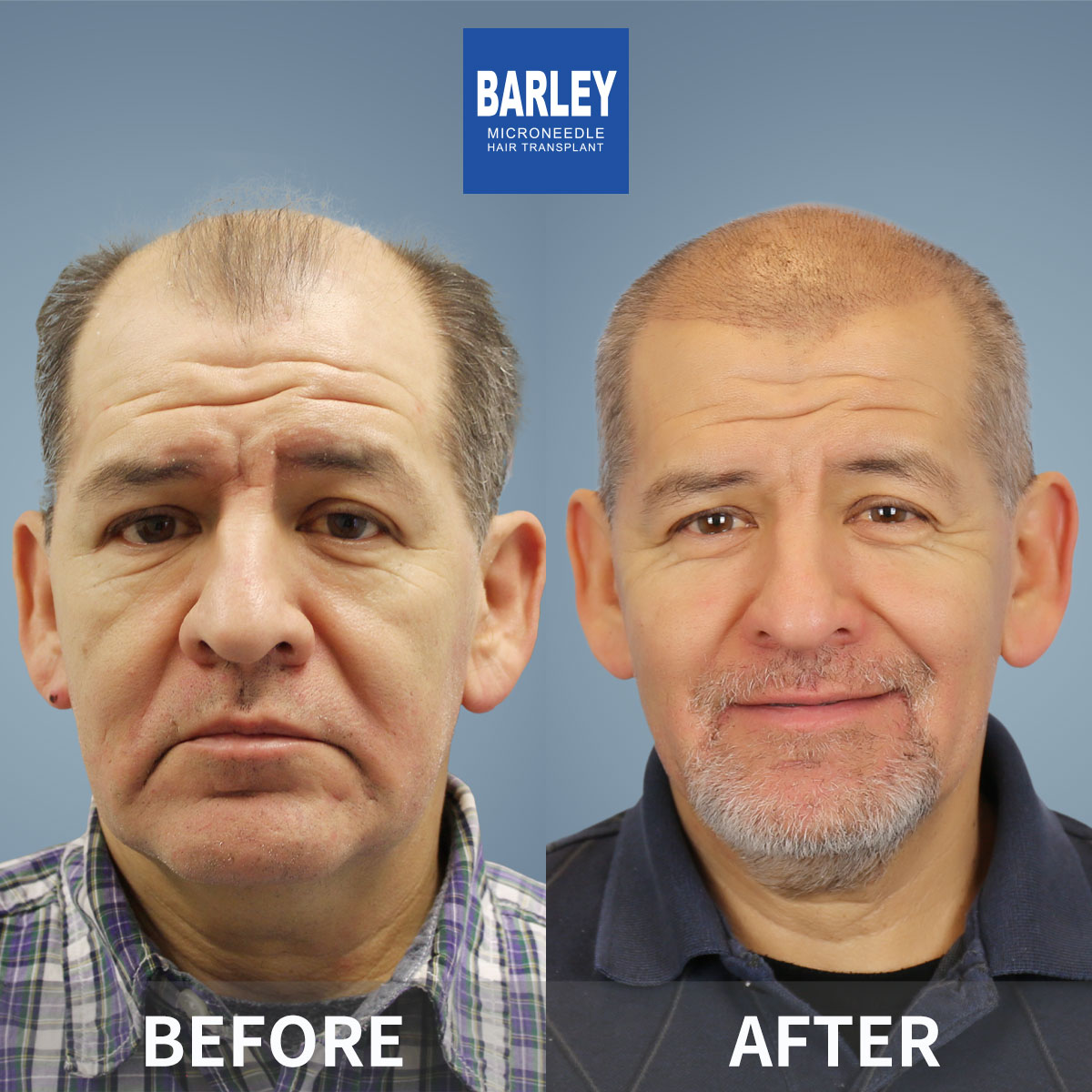
Real Results

See the amazing transformations our patients have achieved
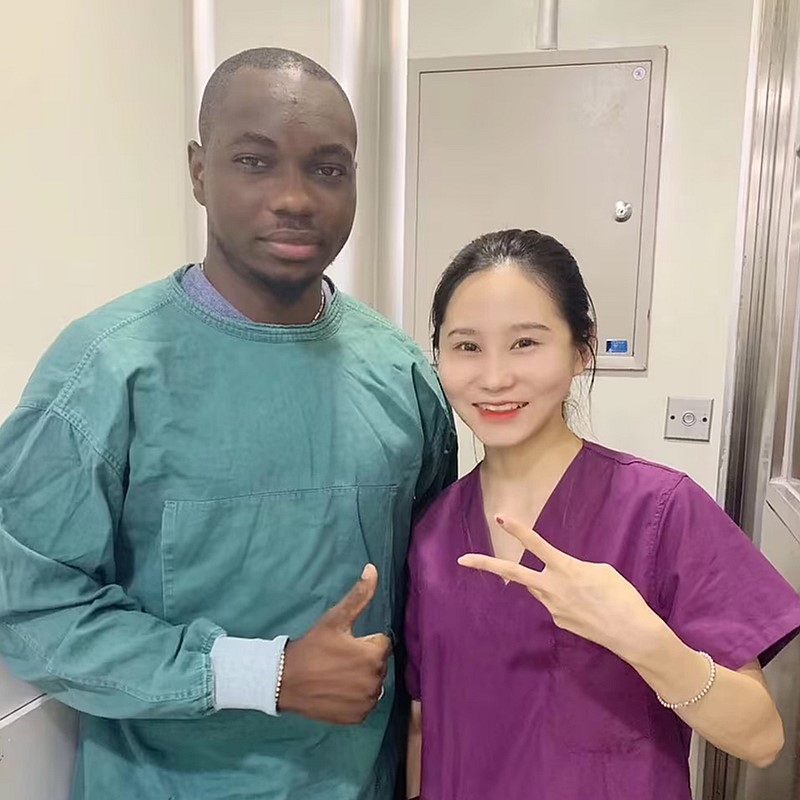
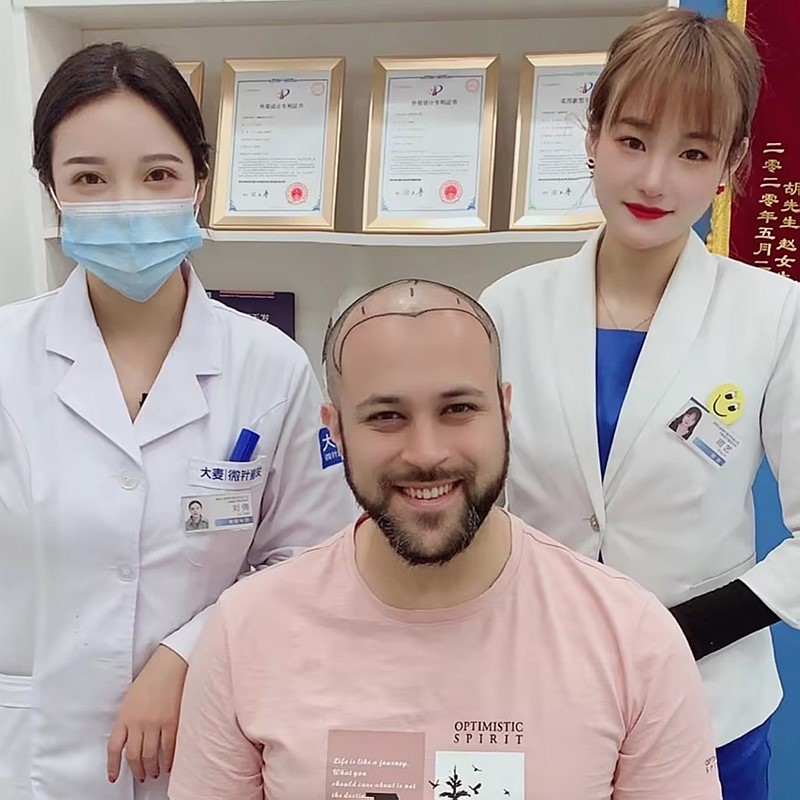
Happy Patients

Moments captured with our satisfied patients
Great Decision

Feeling Great

Guide pointed me in the right direction

Information Helped

Well-Informed Decision

Knowledge gave me confidence

Results Speak

The Results Speak

Exactly what I was hoping for

Confident Now

Confidence Restored

Feeling like myself again

Smart Choice

Best Decision

Guide helped me take action

Proven Results

Life-Changing Results

Worth every bit of the journey

Transformation

A Whole New Me

Transformation beyond hair

Success

Couldn't Be Happier

Exceeded my expectations

What Our Patients Say

Hear from our satisfied patients around the world

"This guide finally helped me understand the Norwood classification system. I was at Stage 3 and didn't realise it until reading this page. Understanding my stage made me choose the right treatment — finasteride combined with minoxidil — and at eight months, my hairline has stopped receding completely."

EW

Ethan Walker

United States

"I did not understand the difference between DHT-related hair loss and other types until reading this guide. It explained that my receding temples and thinning crown were classic signs of androgenetic alopecia. Armed with this knowledge, I consulted Barley and started a targeted treatment plan. The results speak for themselves."

SK

Stefan Keller

Austria

"The section on genetic factors was eye-opening. My father and grandfather both went completely bald by 40, so I always assumed I would too. This guide showed me that early intervention with proper treatment can significantly slow or even halt the genetic progression. I started treatment at 28 and still have a full head of hair at 32."

AO

Adrian O'Brien

Ireland

"I had been using over-the-counter hair loss products for years without understanding why they weren't working. The guide explained that most of these products don't address the root cause — DHT sensitivity. After switching to clinically proven treatments recommended by Barley, my results in four months were better than anything I achieved in three years of trying random products."

YK

Yusuf Kaya

Turkey

"The stages of male hair loss section helped me identify that I was progressing from Stage 2 to Stage 3 on the Norwood scale. Recognising this early allowed me to start treatment before significant miniaturisation occurred. My dermatologist at Barley confirmed my self-assessment and adjusted my treatment accordingly. Knowledge truly is power."

NK

Nikolai Kuznetsov

Russia

"I appreciated the honest explanation of what each treatment can and can't achieve. The guide didn't promise miracle cures — it explained the science behind finasteride, minoxidil, PRP therapy, and hair transplantation. This realistic approach helped me set proper expectations and choose the combination treatment that has genuinely transformed my confidence."

ML

Matteo Lombardi

Italy

Our Clinic Environment

Experience our modern and comfortable facilities

Hospital 1

Modern Clinic

Our state-of-the-art facility

Hospital 2

Comfortable Waiting Area

Relax in our premium lounge

Hospital 3

Operating Room

Sterile and advanced

Hospital 4

Consultation Room

Private and professional

Hospital 5

Recovery Area

Comfortable post-op space

Hospital 6

Reception

Welcoming entrance

Frequently Asked Questions About Male Hair Loss

Answers to the most common questions men have about hair loss, its causes, and available treatments

Why am I losing hair — is it really just genetics?
In about 95% of cases, male hair loss comes down to androgenetic alopecia — a hereditary condition driven by your genes and the hormone DHT. If your father, grandfather, or relatives on your mother's side experienced thinning or balding, you likely carry the same follicle sensitivity. The responsible genes can come from either side of the family, so your maternal grandfather's hair is just as telling as your own father's.
What exactly is DHT, and how does it cause hair loss?
DHT (dihydrotestosterone) is a hormone converted from testosterone by the 5-alpha-reductase enzyme. In men with a genetic predisposition to hair loss, DHT latches onto receptors in scalp follicles and triggers a process called miniaturization. Over successive growth cycles, the affected follicles produce progressively thinner, shorter, and lighter hairs until they stop producing visible strands altogether. This process almost always starts at the temples and crown — the areas most sensitive to DHT.
How do I figure out what stage of hair loss I'm at?
The Norwood-Hamilton scale is the standard reference. Stage 1 means virtually no loss. Stages 2-3 show noticeable temple recession. Stages 4-5 involve crown thinning with a narrowing bridge of hair between the two areas. Stages 6-7 represent extensive loss with only a horseshoe-shaped band remaining around the sides and back. You can self-assess by comparing your hairline and crown to Norwood reference photos, but a professional trichoscopic examination gives the most accurate diagnosis.
At what age does male hair loss typically start?
It varies widely. Some men notice their first signs of recession in their late teens or early twenties, while others keep a full head of hair well into their fifties. On average, about 25% of men show signs of hair loss by age 25, 50% by age 50, and up to 80% by age 70. One important pattern: the earlier hair loss starts, the more aggressive the progression tends to be.
Can I reverse hair loss without surgery?
If the follicles are still alive — meaning the area is thinning rather than completely smooth and bald — medications like Finasteride and Minoxidil can partially reverse the miniaturization process. Finasteride blocks the hormonal attack, while Minoxidil stimulates blood flow and encourages growth. PRP therapy and low-level laser treatment can provide additional support. However, once a follicle has fully scarred over and stopped producing hair for several years, no medication can bring it back. In those areas, only a hair transplant can restore coverage.
Does male hair loss ever stop on its own, or is it permanent?
Without treatment, androgenetic alopecia is progressive and lifelong. It doesn't naturally plateau — it simply continues until all DHT-sensitive follicles have miniaturized. The speed varies: some men lose hair rapidly over just a few years, while others experience gradual thinning over decades. The good news is that treatment can dramatically slow or even halt this process.
Can stress actually cause permanent hair loss?
Severe physical or emotional stress can trigger a condition called telogen effluvium, where large numbers of hair follicles simultaneously shift into the resting phase. This causes noticeable shedding two to four months after the stressful event. The good news is that telogen effluvium is typically temporary — hair usually regrows once the underlying stressor is resolved. That said, chronic stress may accelerate the progression of genetic hair loss by raising cortisol levels and increasing inflammation.
Will improving my diet or changing my lifestyle stop my hair loss?
Nutrition alone won't stop genetic hair loss, but a poor diet can definitely make it worse. Adequate protein, iron, zinc, vitamin D, and B vitamins are all essential for healthy hair growth. Smoking has been directly linked to increased hair loss — it damages blood vessels and reduces blood flow to the scalp. Regular exercise, quality sleep, and stress management all support overall hair health. Think of lifestyle as your foundation; medication and targeted treatments are what actually move the needle.
Does washing my hair too often or using styling products cause baldness?
No, it doesn't. Washing your hair daily or using gels, pomades, or other styling products does not cause male pattern baldness. The hairs that come out during a wash are part of the normal shedding cycle — most people lose 50 to 100 hairs per day. That said, overly aggressive chemical treatments, excessive heat styling, or very tight hairstyles can cause breakage and traction damage, which is different from genetic hair loss but still something you'll want to avoid.
What's the most effective treatment for early-stage hair loss?
For men in Norwood stages 1-3, the gold-standard approach combines oral Finasteride (1 mg daily) to block DHT with topical Minoxidil (5%) to stimulate growth. Adding PRP therapy or low-level laser treatment can further enhance results. Starting early is the single most important factor — the more follicles you can preserve now, the better your long-term results will be.
When is the right time to consider a hair transplant?
A hair transplant becomes the primary option when you've reached Norwood stage 3 or beyond and medication alone isn't giving you the density you want. Most surgeons recommend stabilizing your hair loss with Finasteride for at least 6 to 12 months before surgery, so the hairline design stays appropriate as any remaining loss progresses. If your hair loss has been stable for a year or more and you have adequate donor hair at the back of your scalp, you're likely a good candidate.
How many grafts will I need for a successful transplant?
It depends on your Norwood stage, the area being treated, and your desired density. A Norwood 3 patient typically needs 1,500 to 2,500 grafts for the hairline. Norwood 4-5 usually requires 2,500 to 3,500 grafts to cover both the hairline and crown. More advanced stages (Norwood 6-7) may need 3,500 to 5,000+ grafts, sometimes spread across two sessions. Your surgeon will evaluate your donor supply during consultation and build a realistic, personalized plan.
Is China a good destination for a hair transplant?
China has become one of the world's leading destinations for hair restoration. At Barley Hospital, you receive the same cutting-edge microneedle FUE technology used by top clinics worldwide, but at a significantly lower cost. Our surgeons have performed over 100,000 procedures, we have a dedicated English-speaking team, and we provide comprehensive support for international patients — including travel assistance, airport pickup, and accommodation guidance. The quality of our results matches or exceeds clinics in the US, UK, or Turkey, at a fraction of the price.
Can I take Finasteride and use Minoxidil at the same time?
Absolutely — in fact, this is one of the most widely recommended non-surgical combinations. Finasteride tackles the root cause by blocking DHT, while Minoxidil directly stimulates follicle growth through improved blood flow. Clinical studies consistently show that using both together produces significantly better results than either treatment on its own. Most patients see noticeable improvement within four to six months of combined use.
Is a receding hairline the same thing as male pattern baldness?
A receding hairline is usually the very first visible sign of male pattern baldness (androgenetic alopecia). It typically starts at the temples, gradually creating an M-shaped pattern. However, some men naturally have a slightly higher mature hairline without it being progressive. The key difference is whether the recession is actively advancing over time. If your hairline has noticeably moved backward over the past year or two, it's likely the beginning of male pattern baldness.
Could my medication be causing my hair loss?
Certain medications can contribute to hair shedding, including some antidepressants, blood pressure medications, chemotherapy drugs, and anabolic steroids. This type of hair loss (known as drug-induced telogen effluvium) is usually temporary and reverses after stopping the medication. However, medication-related shedding is different from male pattern baldness. If you suspect your prescription is contributing to hair loss, speak with your doctor — never stop taking prescribed medication without medical guidance.
What's the recovery like after a hair transplant?
With Barley Hospital's microneedle FUE technique, recovery is remarkably quick. Most patients are back to light office work within 3 to 5 days. Tiny scabs form in the transplanted area and fall off naturally within 7 to 10 days. Any redness typically fades within 2 to 3 weeks. The transplanted hairs will shed between weeks 2 and 6 — this is completely normal and nothing to worry about. New growth kicks in around month 3, with full results visible at 9 to 12 months.

Ready to Get Started?

Contact us for a free consultation

WeChat

15810155700

WhatsApp

+86 13730143529

Email

hairtransplant@qq.com

WeChat QR Code