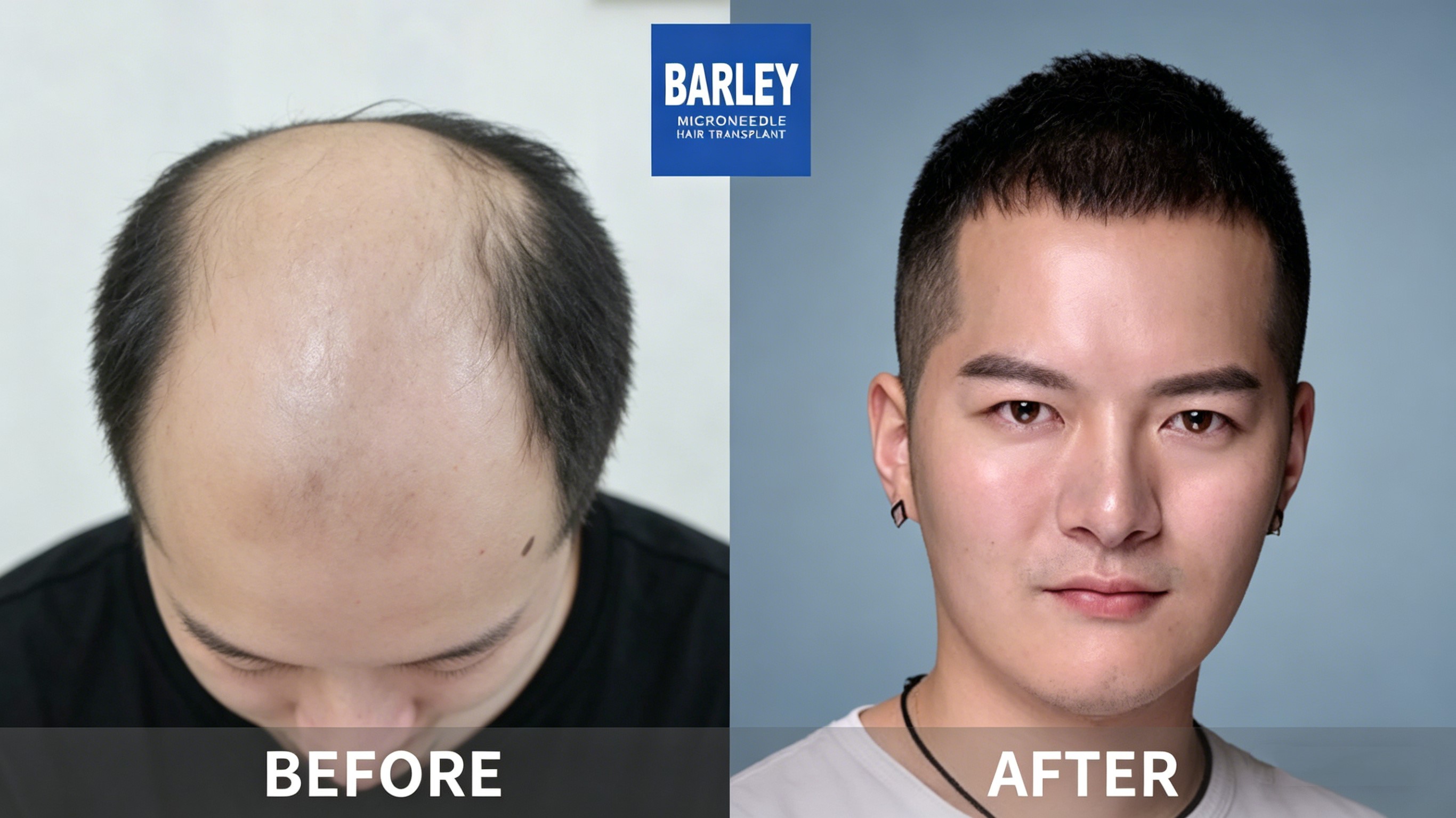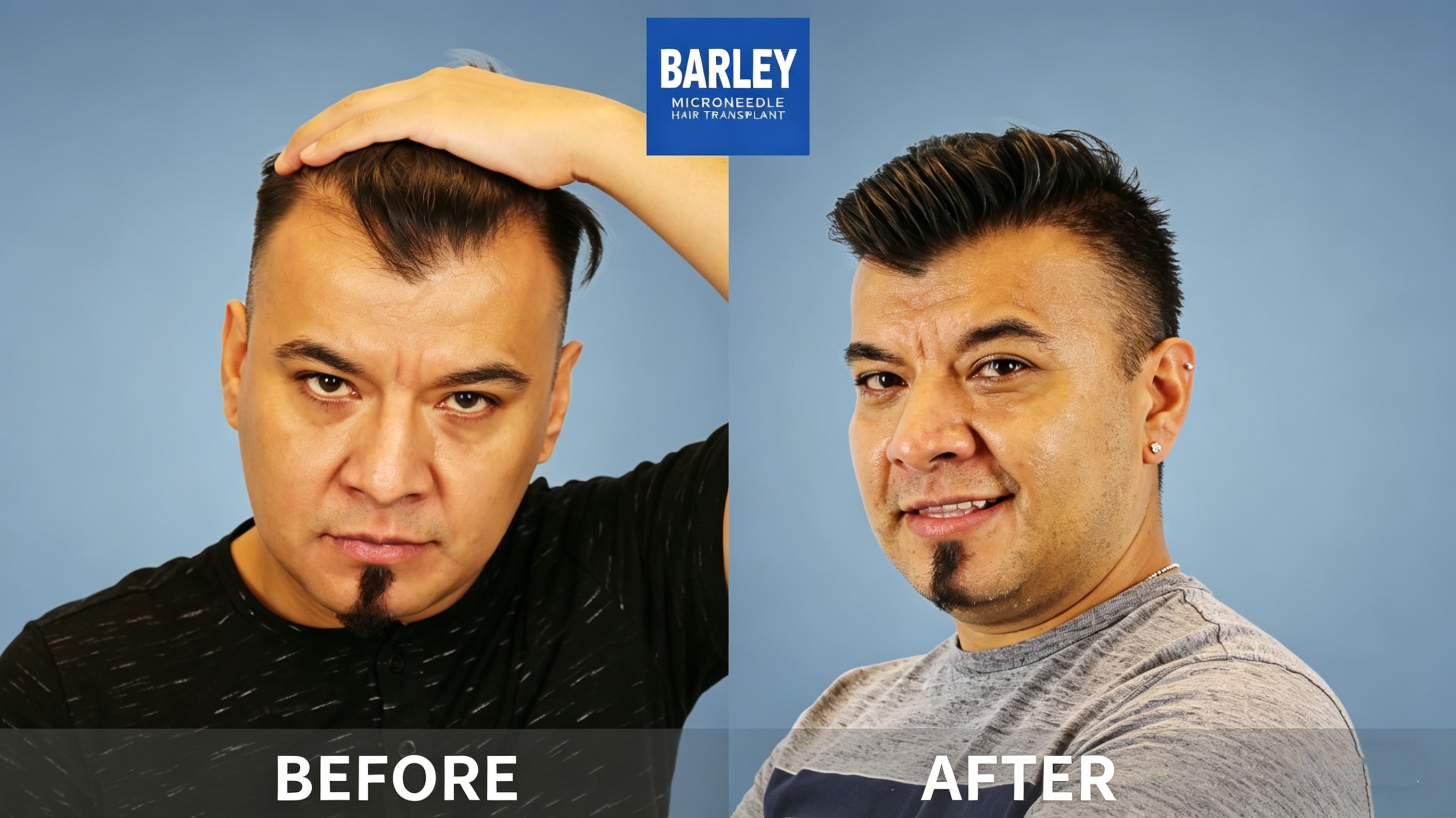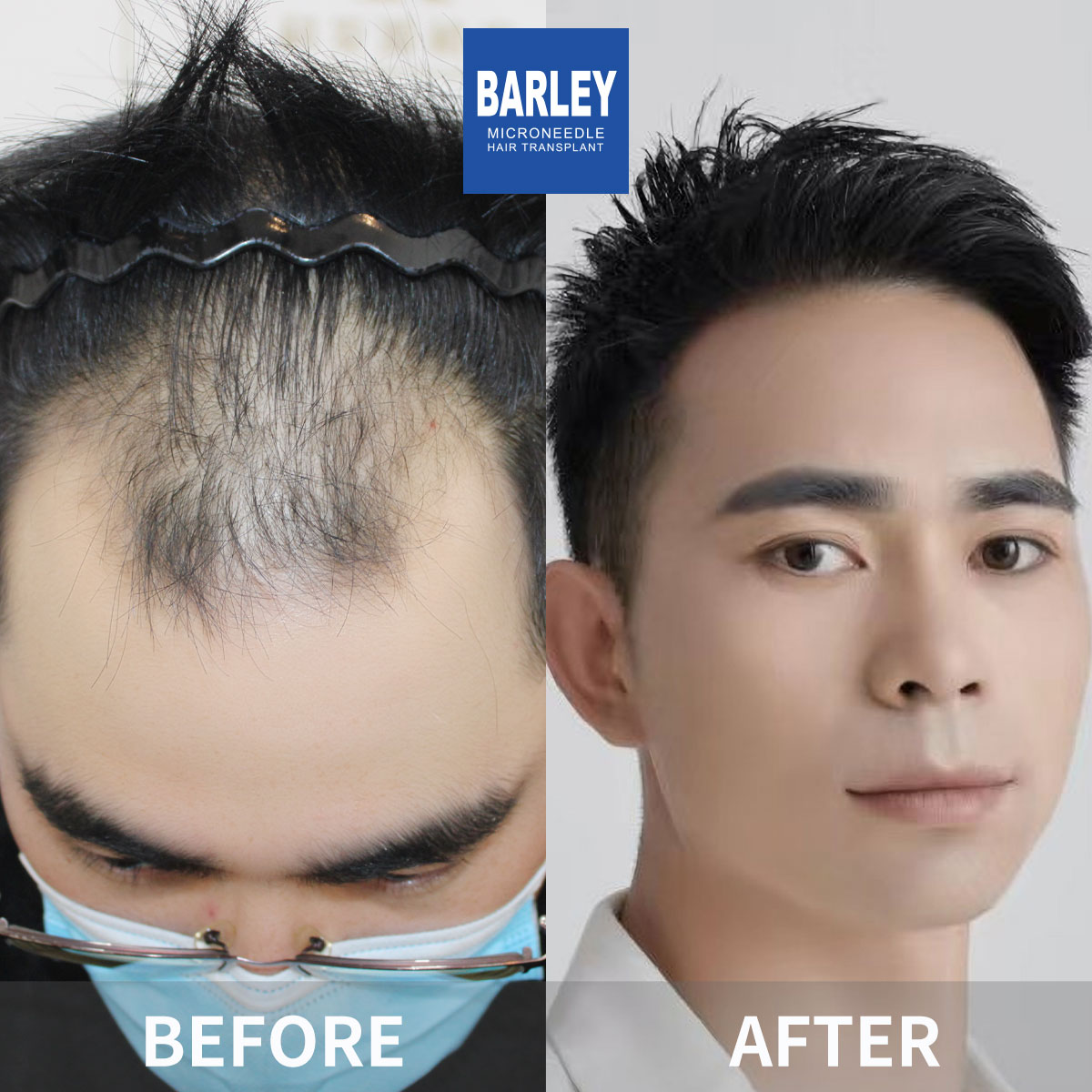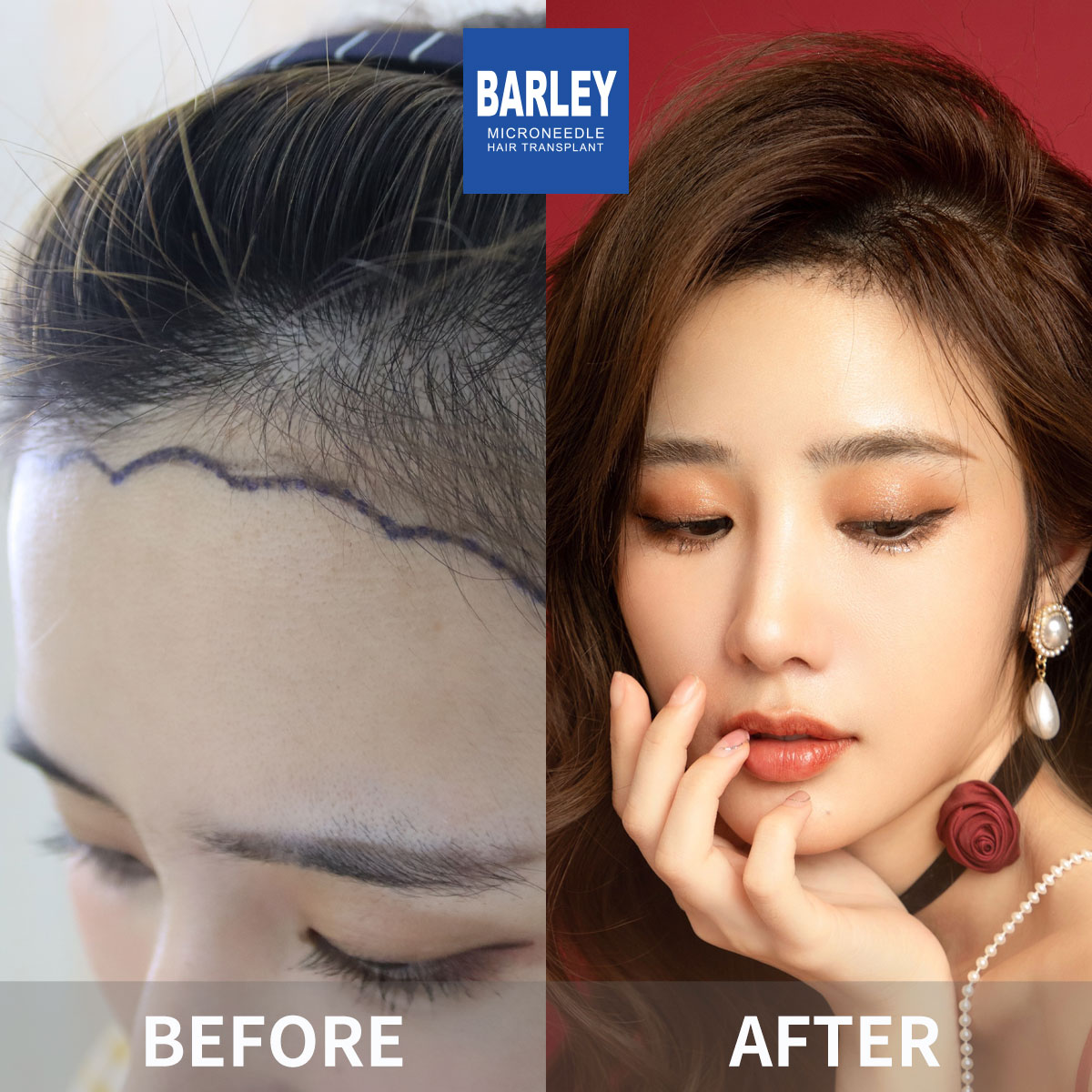
Hero 1

Address Hair Loss at Its Root Cause

The only FDA-approved oral medication that targets DHT\u2014the primary hormone behind male pattern baldness

Get Your Free Quote
Hero 2

Halt Progression. Stimulate Regrowth.

Clinically proven to maintain existing hair and encourage new growth in the crown and mid-scalp areas

Get Your Free Quote
Hero 3

Backed by Medical Experts

Personalised dosing plans, safety monitoring, and professional guidance from experienced physicians

Get Your Free Quote

What is Finasteride?

Finasteride is a prescription medication classified as a 5-alpha-reductase inhibitor. Originally developed in the 1980s for treating enlarged prostate (BPH), it received FDA approval in 1997 specifically for male pattern hair loss under the brand name Propecia. The drug works by interrupting the biochemical pathway that produces DHT, a hormone that genetically susceptible hair follicles are highly sensitive to. When DHT levels drop, the miniaturisation cycle that progressively thins and shortens hair is interrupted, allowing follicles to recover and resume normal growth patterns. Over 30 years of peer-reviewed clinical research confirms that a daily 1 mg dose reduces serum DHT by roughly 68% and scalp DHT by approximately 60%, making it the most potent oral anti-hair-loss therapy currently available. More than 40 million men worldwide have used finasteride, establishing an extensive safety database that supports its long-term tolerability.

How Finasteride Works

Blocks DHT Production

Finasteride inhibits the Type II 5-alpha reductase enzyme, which is responsible for converting testosterone into dihydrotestosterone (DHT). By blocking this conversion, finasteride significantly reduces DHT levels in the blood and, critically, in the scalp tissues where hair follicles reside. Lower DHT levels mean less stimulation of the androgen receptors on genetically susceptible follicles, effectively halting the miniaturisation process that causes hair thinning and balding in men with androgenetic alopecia.

Stops Hair Loss Progression

The primary benefit of finasteride is its ability to stop or dramatically slow the progression of hair loss. Clinical trials show that approximately 86% of men taking finasteride experienced either a halt in hair loss progression or visible regrowth over a two-year period. By maintaining existing hair that would otherwise be lost to DHT, finasteride preserves baseline hair density and provides a stable foundation for additional treatments such as hair transplantation or topical minoxidil to build upon.

Promotes Hair Regrowth

While finasteride is most effective at preventing further hair loss, many patients also experience regrowth in areas where follicles have recently miniaturised but not yet permanently closed. This regrowth is most pronounced at the crown and mid-scalp, with visible improvements in hair count and thickness typically appearing after 6-12 months of consistent use. The regrowth potential is higher when treatment begins at an earlier stage of hair loss, before follicles undergo irreversible damage.

Usage & Safety Precautions

Finasteride is taken as a 1 mg tablet once daily, with or without food. Consistency is key\u2014the medication must be taken every day without interruption to maintain its therapeutic effect. It is important to understand that finasteride is a long-term treatment; if you stop taking it, DHT levels return to pre-treatment levels within a few weeks, and any hair maintained or regrown through the medication will gradually be lost over 6-12 months. Finasteride is approved for use in men only and is not recommended for women, particularly those who are pregnant or may become pregnant, due to the risk of birth defects. Women should not handle crushed or broken finasteride tablets. Potential side effects, though uncommon (affecting approximately 2-4% of users), can include decreased libido, erectile dysfunction, and reduced ejaculate volume. These side effects typically resolve upon discontinuation of the medication. All patients should have a thorough consultation with a qualified physician and undergo appropriate screening before starting finasteride. At Barley Hospital, our specialists provide comprehensive evaluation and ongoing monitoring to ensure safe and effective treatment.

Expected Results: What to Expect

Results from finasteride treatment follow a predictable timeline. During the first 3 months, patients typically notice a reduction in daily hair shedding as DHT levels drop and follicles begin to stabilise. Between months 3-6, early signs of improvement may appear, with hair loss visibly slowing or stopping. By months 6-12, many patients observe measurable increases in hair density and thickness, particularly at the crown and mid-scalp regions. Maximum benefits are generally achieved after 12-24 months of continuous treatment. After the two-year mark, the medication continues to maintain results with ongoing use. It is important to document progress with standardised photographs, as gradual improvements can be difficult to notice day to day. Finasteride works best as part of a comprehensive hair restoration strategy\u2014many of our patients use it in combination with minoxidil, PRP therapy, and/or hair transplantation for optimal, long-lasting results. Our medical team at Barley Hospital develops personalised treatment protocols and provides regular follow-up assessments to track your progress and adjust as needed.

Prescription Strength

Finasteride Treatment

Oral medication for preventing DHT-related hair loss in men
Finasteride

Stop Hair Loss at the Source

Finasteride is an FDA-approved oral medication that works by blocking DHT, the hormone responsible for male pattern baldness. It is one of the most effective hair loss treatments available. At Barley Hair Transplant, we provide medical guidance on finasteride, ensuring you understand how it works, what to expect, and whether it is the right choice for you as part of your hair restoration journey.

  • FDA-approved for men
  • Blocks DHT production at the source
  • Prevents further hair loss
  • Can stimulate visible regrowth
  • Professional medical guidance provided

Who Can Benefit

  • Adult men experiencing hair thinning
  • Early to moderate stages of hair loss
  • Patients wanting to preserve existing hair
  • Pre- and post-transplant patients
  • Those with a family history of balding
  • Anyone noticing progressive thinning

Common Problems We Address

  • DHT-driven hair loss progression
  • Gradual thinning across the scalp
  • Receding hairline patterns
  • Crown (vertex) balding
  • Need for a proven, researched treatment
  • Desire to halt further hair loss

The Barley Hair Transplant Difference

  • Medical guidance: Thorough assessment and ongoing monitoring
  • Complete education: Understand both benefits and considerations
  • Combination approach: Works synergistically with transplant
  • Honest expectations: Know exactly what to expect
  • Ongoing support: We are here for any questions
  • Proven track record: Trusted in clinical practice for years

The Science Behind Finasteride

Understanding how this powerful DHT-blocking treatment works

Mechanism of Action

  • Inhibits 5-alpha-reductase type II enzyme
  • Reduces DHT by approximately 60% at 1 mg dose
  • DHT is the primary hormone driving baldness
  • Protects follicles from progressive miniaturisation
  • Simple once-daily oral dosing

FDA-Approved for Men

  • FDA-approved in 1997 (brand name Propecia)
  • Clinically proven in multiple large-scale studies
  • Roughly 90% see improvement or stabilisation
  • For adult men experiencing pattern hair loss
  • Gold standard oral hair loss treatment

Who It Is Designed For

  • Men with androgenetic alopecia
  • Early to moderate stages of hair loss
  • Those with a family history of balding
  • Pre-transplant hair stabilisation
  • Post-transplant long-term maintenance

Clinical Results and Progress Timeline

What to expect with consistent daily use

Clinical Evidence

  • Year 1: 83% maintain or regrow hair
  • Vertex area: 66% show visible growth
  • Hairline: 37% show measurable improvement
  • Independent photographic evidence confirmed
  • Compared to only 28% on placebo

Results Timeline

  • Months 1-3: Hair loss stabilisation begins
  • Months 4-6: Visible regrowth starts to appear
  • Month 12: Peak results typically achieved
  • Month 24: Continued improvement possible
  • Continue daily use for lasting benefits

Combined with Hair Transplant

  • Stabilises existing native hair
  • Helps protect the donor area
  • Enhances transplanted graft survival
  • Maximises overall aesthetic results
  • Works synergistically with minoxidil

Safety Considerations

  • Well tolerated by the vast majority of users
  • Rare: approximately 2% experience sexual side effects
  • Side effects usually reversible upon discontinuation
  • Not suitable for women or children
  • Always discuss risks with your physician first

One-to-One Physician Monitoring

  • Pre-treatment medical assessment
  • Personalised risk and benefit analysis
  • Regular follow-up consultations
  • Ongoing progress monitoring
  • Dosage adjustments as needed

Safe Use and Compliance

  • Prescription-only medication
  • Standard dose: 1 mg daily
  • Importance of consistent daily use
  • Regular health check-ups recommended
  • Continuous professional guidance throughout

Your Finasteride Treatment Journey

Simple steps towards healthier, thicker hair

1

Medical Assessment

Professional evaluation to determine if it is right for you

2

Patient Education

Thorough understanding of how the treatment works

3

Daily Use

Simple once-a-day tablet, easy to maintain

4

The Waiting Period

Allow 3-6 months before visible results appear

5

Progress Monitoring

Track and document your improvement over time

6

Long-Term Maintenance

Continue use for sustained and lasting benefits

Why Choose Our Finasteride Programme

Why our finasteride treatment prioritises both safety and effectiveness

Comprehensive Medical Screening

Before starting finasteride, our physicians conduct a thorough medical assessment to ensure it is appropriate for you, including a review of your health history and a personalised risk and benefit analysis.

Ongoing Safety Monitoring

Regular check-ins with our medical team to monitor your progress, address any concerns promptly, and ensure you are responding well to treatment with optimal safety throughout your journey.

Thorough Patient Education

We do not simply prescribe medication\u2014we educate you thoroughly on what to expect, how it works, realistic timelines, and how to maximise your results, all backed by over 18 years of clinical experience.

Why Choose Barley Hair Transplant

Industry leader with proven results and international recognition

18+ Years Experience

Pioneer and leader in microneedle hair transplant technology since 2006

30+ Direct-Operated Clinics

Across major cities in China, all maintaining the same high standards

10+ Patented Technologies

Innovative microneedle and implant pen technology for superior results

100K+ Successful Procedures

Trusted by patients from around the globe for remarkable outcomes

English-Speaking Staff

Full English support for international patients throughout treatment

Safety First

State-of-the-art facilities and strict safety protocols for your peace of mind

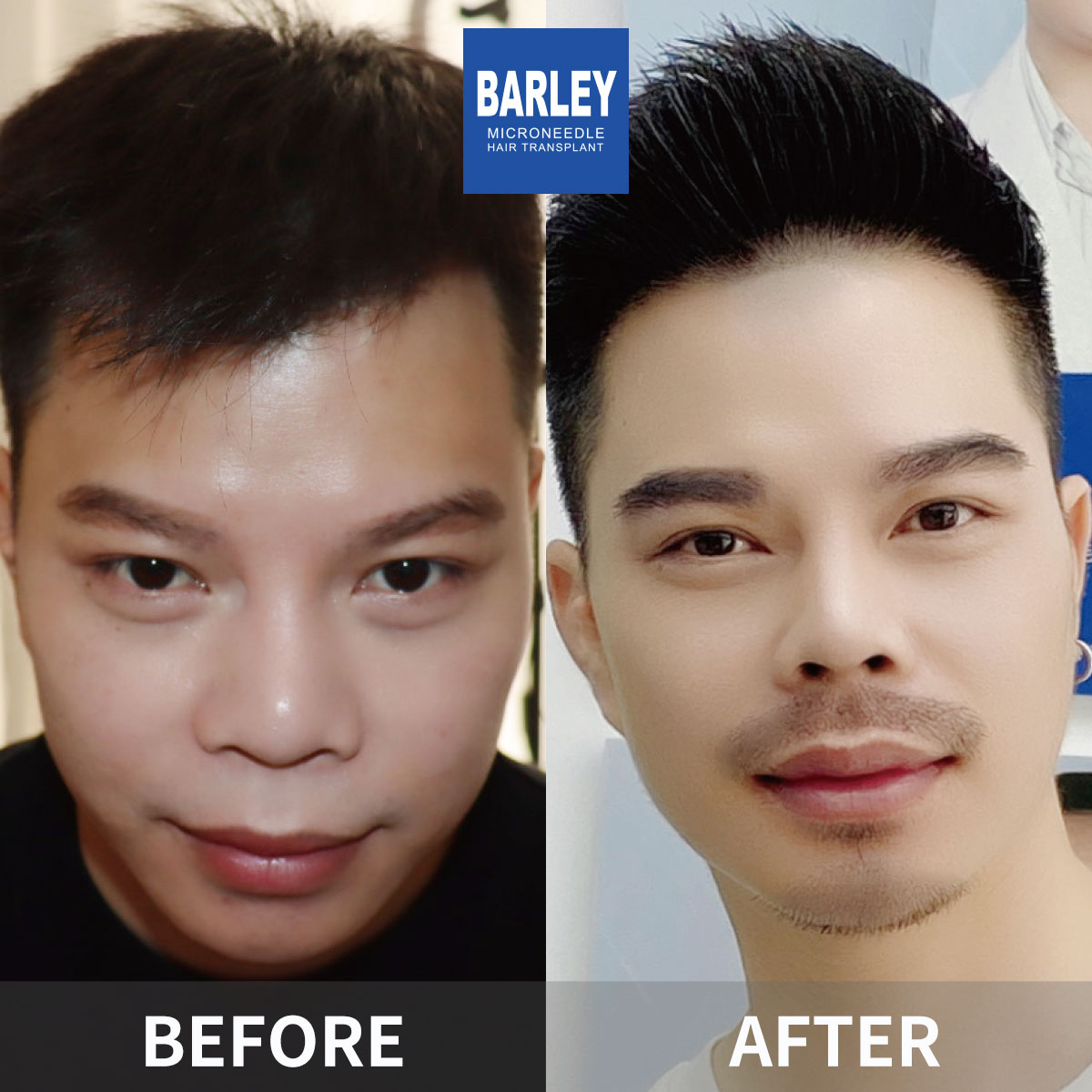
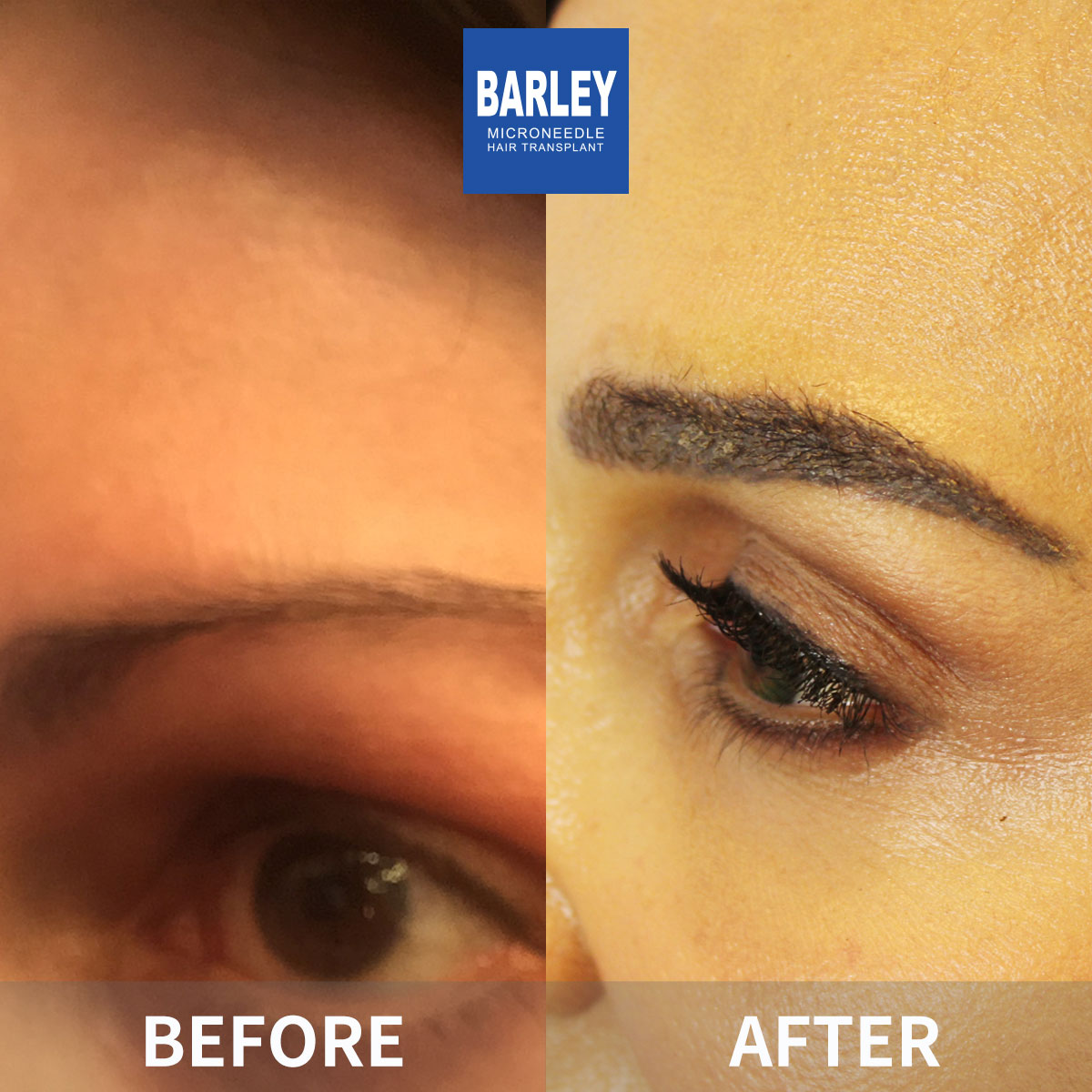
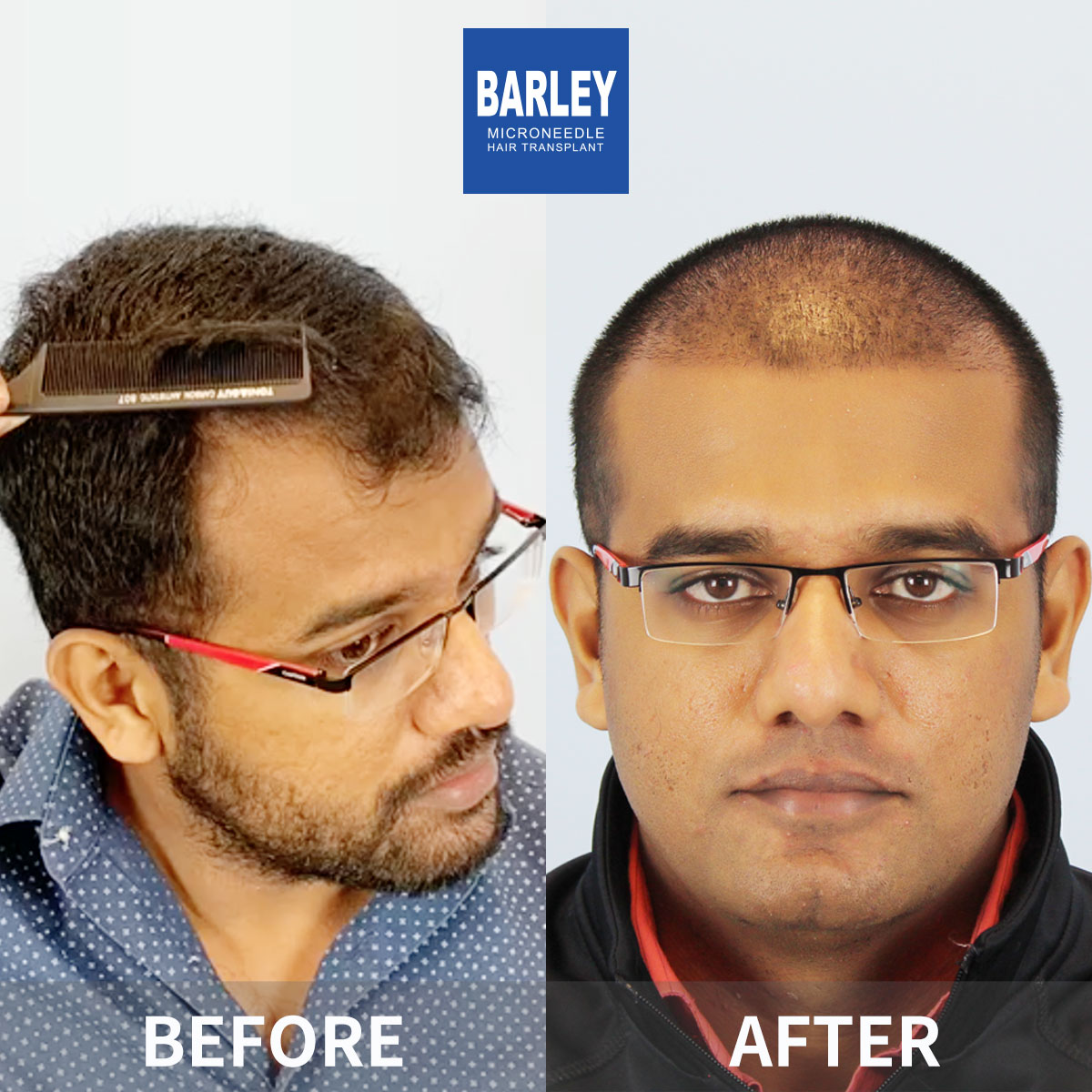
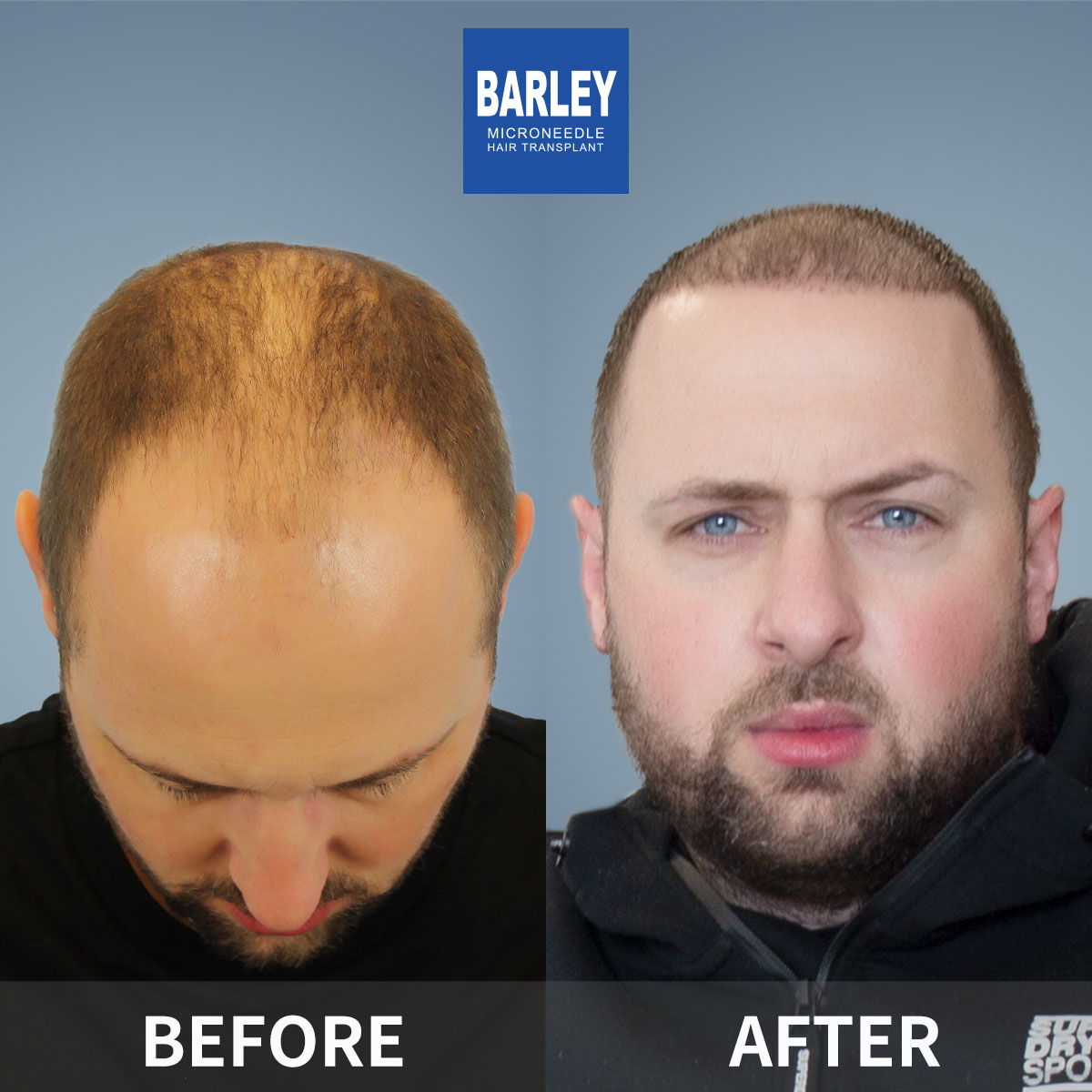
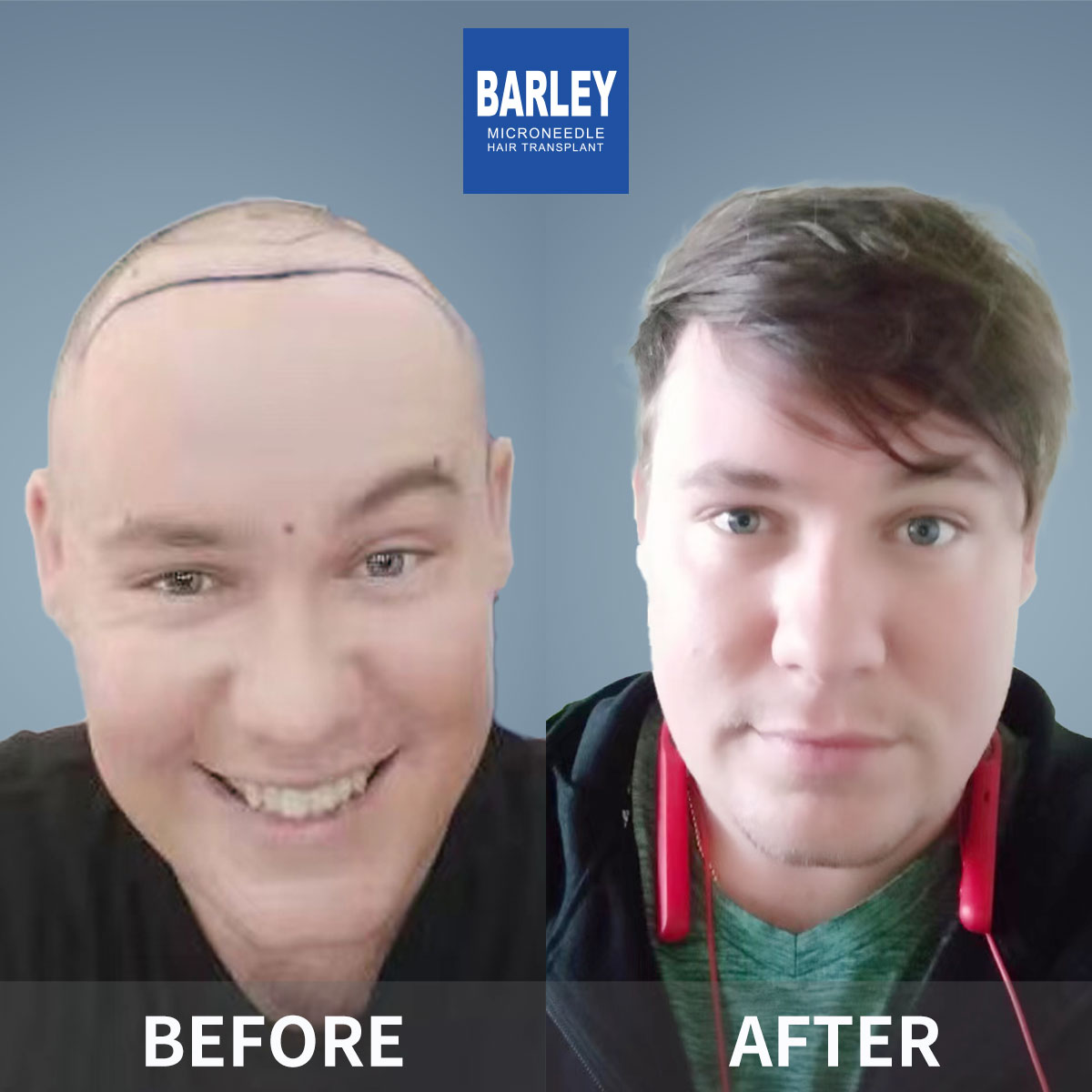
Real Patient Results

See the transformations our finasteride patients have achieved
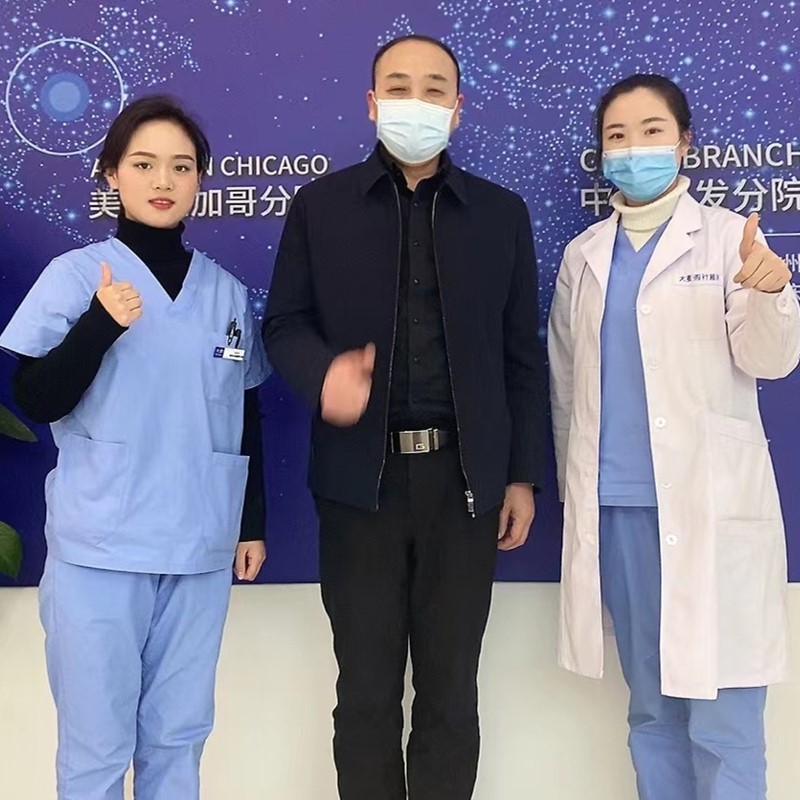
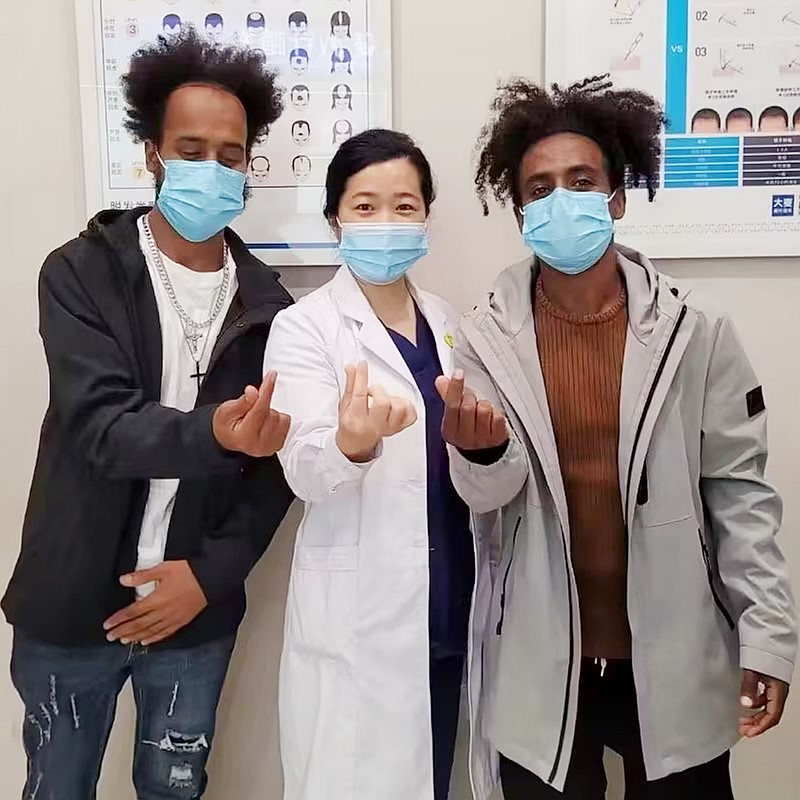
Happy Patients

Real moments captured with our satisfied patients

Stopped Loss

Hair Loss Stopped

Finasteride worked as expected

Happy Patient

Satisfied Patient

Hair loss progression halted

Better Hair

Healthier Hair

Thicker and noticeably stronger

Results Show

Visible Results

Seeing real, measurable progress

Treatment Success

Treatment Success

Very pleased with the outcome

Confidence Up

Confidence Restored

Feeling genuinely better

Hair Saved

Hair Preserved

Successfully maintained density

Transformation Success

Transformation Story

Noticeable improvement achieved

What Our Patients Say

Honest feedback from our international patients

"I was concerned about starting a daily medication and wanted proper medical guidance. The Barley team thoroughly explained how finasteride works and what to expect. After eight months on the treatment, my hair loss has completely stabilised and I feel confident about my progress."

PH

Patrick Hughes

United Kingdom

"The combination of finasteride and minoxidil that Barley prescribed has been remarkably effective. Finasteride stopped the hormonal damage to my follicles, while minoxidil stimulated new growth. At ten months, my Norwood Stage 3 hairline has improved to what looks like a Stage 2. The difference is genuinely visible."

KS

Kristian Svensson

Sweden

"After my consultation, the doctor recommended I start with finasteride before considering a transplant. He explained that stabilising the hair loss first is crucial. Six months later, my shedding has reduced by approximately 80%, and I am seeing miniaturised hairs thickening up in my crown area. The medical approach really works."

RA

Rashid Al-Farsi

Oman

"The professional medical oversight at Barley gave me complete confidence in the treatment. My doctor arranged regular check-ins to monitor my progress at three and six months, and everything was going well. The structured follow-up approach is what sets them apart from online prescription services."

JF

Jean-Pierre Fontaine

France

"I had been losing hair since my mid-twenties and was approaching a Norwood Stage 4. The doctor at Barley was honest about what finasteride could achieve\u2014it would halt further loss and potentially regrow some hair, but would not restore a full juvenile hairline. Twelve months on, my results align exactly with those expectations, and I am very satisfied."

HC

Hans Christensen

Denmark

"The consultation process was straightforward and professional. After submitting my medical history and photographs, the prescribing doctor reviewed everything and confirmed finasteride was appropriate for me. The medication was arranged promptly, and I have been taking it daily for seven months with excellent results. My shedding has virtually stopped."

TN

Tomas Novak

Czech Republic

Our Clinical Facilities

Experience our modern and comfortable treatment environment

Hospital 1

Modern Clinic

Our state-of-the-art facility

Hospital 2

Comfortable Waiting Area

Relax in our premium patient lounge

Hospital 3

Treatment Suite

Sterile and fully equipped

Hospital 4

Consultation Room

Private and professional setting

Hospital 5

Recovery Area

Comfortable post-treatment space

Hospital 6

Reception

Warm and welcoming entrance

Frequently Asked Questions About Finasteride

Expert answers to the most common questions patients ask before starting finasteride treatment

What exactly does finasteride do to stop hair loss?
Finasteride blocks the Type II 5-alpha-reductase enzyme\u2014the enzyme responsible for converting testosterone into dihydrotestosterone (DHT). DHT is the hormone that attacks genetically vulnerable hair follicles, causing them to shrink and eventually stop producing visible hair. By reducing DHT levels in the scalp by roughly 60%, finasteride interrupts this process, allowing follicles to stabilise and, in many cases, recover enough to produce thicker strands again.
How quickly will I notice results after starting finasteride?
Finasteride works gradually. During the first 4 to 8 weeks, you may notice a decrease in daily hair shedding. Visible improvements in hair thickness and coverage typically emerge between months 4 and 8. Peak results are usually observed around month 12 to 18. Patience is essential\u2014this is a biological process, not a cosmetic quick fix.
What is the correct dosage of finasteride for hair loss?
The clinically validated dose for treating male pattern baldness is 1 mg per day, taken as a single oral tablet. A higher dose of 5 mg (sold under the brand name Proscar) is used for enlarged prostate but is not recommended for hair loss. Taking more than 1 mg does not produce better results and may increase the risk of side effects.
What are the potential side effects of finasteride?
Clinical trials show that approximately 2% to 4% of men experience sexual side effects, including reduced libido, difficulty achieving or maintaining an erection, or decreased semen volume. These effects are typically mild, and in most cases they resolve after the body adjusts to the medication. If they persist, discontinuing the drug usually reverses them within a few weeks. Our medical team will discuss these risks in detail and monitor you throughout your treatment.
Can I take finasteride together with minoxidil for better results?
Absolutely\u2014and this combination is one of the most effective non-surgical approaches available. Finasteride and minoxidil work through entirely different mechanisms: finasteride reduces the hormonal attack on follicles, while minoxidil increases blood flow and nutrient delivery to stimulate growth. Using them together creates a synergistic effect that outperforms either treatment used alone. Many of our patients use both medications alongside PRP therapy for maximum results.
Will finasteride regrow hair on a completely bald scalp?
Finasteride is most effective at preserving existing hair and reviving recently miniaturised follicles. It works best in areas where hair has thinned but the follicles are still alive. On areas of the scalp that have been completely bald for many years\u2014where follicles have scarred over\u2014finasteride alone is unlikely to produce visible regrowth. In these cases, a hair transplant is the most effective solution, and finasteride can be used afterward to protect the newly transplanted hair and the remaining native follicles.
What happens if I stop taking finasteride?
Finasteride only works while you are actively taking it. Once you discontinue the medication, DHT levels return to their baseline within approximately 14 days. The hair that finasteride was maintaining will gradually begin to thin and shed over the following 6 to 12 months, eventually returning to the state it would have been in had you never taken the drug. For lasting benefits, continued daily use is necessary.
Is finasteride safe for long-term use\u2014years or even decades?
Yes. With over 30 years of clinical data and millions of users worldwide, finasteride has one of the most extensive safety profiles of any hair loss treatment. Long-term studies spanning up to 10 years show that the medication maintains its effectiveness without increasing the incidence of side effects over time. Our physicians recommend regular check-ups to monitor your response and overall health during treatment.
Does finasteride affect fertility or sperm count?
In rare cases, finasteride may cause a temporary decrease in semen volume or sperm count. However, these changes are generally within the normal range and do not affect a man's ability to father children. If you are actively trying to conceive, discuss this with your physician. Most doctors advise that finasteride can be continued safely, but individual circumstances may vary.
Can finasteride increase the risk of prostate cancer?
This is an important and commonly asked question. A large study (the Prostate Cancer Prevention Trial) initially suggested a slightly higher rate of high-grade prostate cancer among finasteride users. However, subsequent expert reviews and FDA analysis concluded that finasteride does not increase the overall risk of prostate cancer and may actually reduce the total number of prostate cancer diagnoses. The FDA has not added a cancer warning to the label. Nevertheless, we recommend regular prostate health screenings for all men over 50, regardless of whether they take finasteride.
Can women take finasteride for hair loss?
Finasteride is not approved for use in women, and it is especially contraindicated for women who are pregnant or may become pregnant, as it can cause birth defects in male foetuses. Some dermatologists occasionally prescribe it off-label for postmenopausal women with severe hair loss, but this is done on a case-by-case basis with careful risk assessment. If you are a woman exploring hair loss treatment, please consult our specialists for female-safe alternatives.
Should I take finasteride before or after a hair transplant?
Ideally, you should start finasteride at least 3 to 6 months before your transplant procedure. This helps stabilise ongoing hair loss, allowing the surgeon to design a more accurate and long-lasting hairline. After the transplant, continuing finasteride protects the non-transplanted native hair surrounding the grafts, preventing the 'island effect' where transplanted hair remains but the surrounding native hair continues to thin. Our surgeons will provide a personalised timeline for your case.
What is the difference between generic finasteride and brand-name Propecia?
The active ingredient\u2014finasteride 1 mg\u2014is identical in both generic and brand-name versions. Generic finasteride is manufactured by various pharmaceutical companies and contains the same molecule at the same dosage. The only differences are the inactive ingredients (binders, fillers) and the price. Generic versions are significantly more affordable and are equally effective. In China, generic finasteride is widely available at a fraction of the cost of Propecia.
Can I drink alcohol while taking finasteride?
Yes, moderate alcohol consumption does not interact with finasteride. There is no known pharmacological interaction between the two. However, excessive alcohol intake can negatively affect overall health, hormone balance, and hair quality\u2014so moderation is always advised.
Does finasteride cause depression or mood changes?
A small number of users have reported mood changes, including feelings of depression or anxiety, while taking finasteride. The FDA added a warning label regarding post-finasteride syndrome, though large-scale studies have not confirmed a definitive causal link. If you experience any mood-related symptoms, contact your doctor immediately. For the vast majority of men, finasteride has no impact on emotional well-being.
At what age should I start taking finasteride?
Finasteride is approved for adult men aged 18 and above. The ideal time to start is as soon as you notice a pattern of thinning or recession\u2014earlier intervention means more follicles can be saved. If you are in your early 20s and already seeing signs of male pattern baldness, starting finasteride now can help you maintain a full head of hair for decades. Our physicians will assess your individual situation and recommend whether finasteride is appropriate for your age and stage of hair loss.
Can I get finasteride prescribed at Barley Hospital?
Yes. During your consultation at Barley Hospital, our licensed physicians will evaluate your hair loss pattern, medical history, and treatment goals. If finasteride is appropriate for you, we can prescribe it as part of a comprehensive hair restoration plan. We also stock high-quality generic finasteride at competitive prices. For international patients, we provide detailed instructions on continuing treatment at home after your visit. Contact us via WhatsApp or email to schedule your consultation today.

Ready to Get Started?

Contact us for a free consultation

WeChat

15810155700

WhatsApp

+86 13730143529

Email

hairtransplant@qq.com

WeChat QR Code